
Brain Tumor: How Can You Detect It And What Are The Best Preventive Measures To Follow?


Getting diagnosed with brain tumor is a shocking and overwhelming life-event. People with a brain tumor may experience certain signs and symptoms. There are chances that individuals with tumor don’t have any of these signs or the reason for a side effect might be an alternate ailment that isn’t a brain tumor.
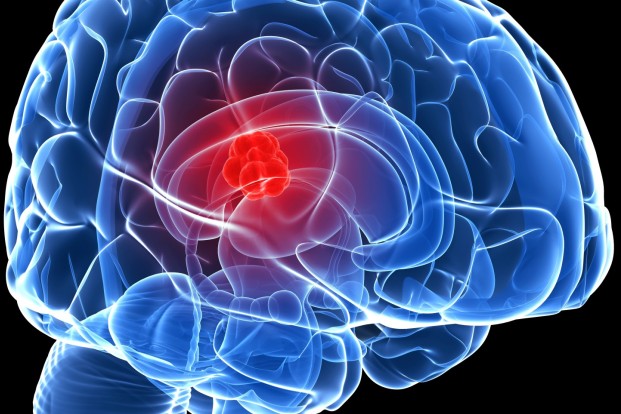
Nonetheless, some common brain cancer symptoms include:
- New onset or change in the pattern of headaches
- Headaches that gradually becomes more frequent and severe
- Unexplained nausea and vomiting
- Vision problems, such as vision changes, blurred vision, double vision or loss of peripheral vision
- Difficulty with balance and fine motor skills
- Difficulties in speech
- Confusion in day-to-day matters
- Changes in personality or behavior
- Seizures, especially in someone who doesn’t have a history or record of seizures
- Hearing and sensory problems
- Altered perception of touch or pressure
- Inability to look upward
Many of these symptoms of brain cancer are also caused by other, less serious conditions. Hence there is no need to panic if you’re experience any of these symptoms. However, it is always a good idea to visit your neurosurgeon & neurologist doctor to have your symptoms investigated, just in case.
Even after you have visited your neurosurgeon and neurologist doctor and found out that you do not have a brain tumor, after all, it is best that you do take certain actions to make sure that you do not end up with one. Some measures you can follow are as follows:
- Sleep:
- It is critical to the survival and the health of your brain to receive adequate amounts of shut eye daily. The glymphatic system (a detoxification pathway) is known to remove toxic wastes that naturally accumulate during the day. It is particularly active at night to provide the mitochondria in the brain the chance to flush toxins using cerebrospinal fluid. The natural process of the glymphatic system affecting cognitive function is hindered by sleep deprivation.
- Consuming Cancer Fighting Phytonutrients
- Consumption of a diet, rich in cancer fighting nutrients, is essential to preventing and treating brain tumors. The brain equipped with antioxidants, through herbs and vegetables, limits cellular damage by scavenging free radicals, reducing brain inflammation, and shutting down brain tumor communication signals.
- Restricting Calories
- Dietary restriction, including fasting, is a therapeutic approach with anti-carcinogenic properties. Due to restriction of calories, there is reduction in inflammation, prevention of cancer metastasis, inhibiting cancer cells from proliferating, and also produces ketones to fuel neurons.
- Be Wary of Mobile Devices
- The World Health Organization (WHO) International Agency for Research on Cancer (IARC) categorized the electromagnetic field emitted by cell phones as a possible human carcinogen. Usage of cell phone elevates the risk of brain tumors and is directly correlated with age (young people absorb more radiation) and duration of use.
Settling on sound decisions with regards to healthy eating, working out, maintaining a strategic distance from cancer-causing agents in your condition, and lessening pressure and stress can adequately decrease the threat of generating brain tumors.