
Hepatitis- Who are at risk?


Hepatitis is a general term used for inflammation of the liver. It may result from various causes; including infectious- viral, bacterial, fungal and parasitic organisms and non-infectious causes like alcohol, drugs, autoimmune diseases and metabolic diseases. Viral Hepatitis is the most common and deadly form of hepatitis.Viral hepatitis is caused by; Hepatitis A, Hepatitis B, Hepatitis C, Hepatitis D, Hepatitis E. These are the main hepatotropic viruses (i.e. their primarily involve liver), there are other viruses also which can affect liver secondarily.
Broadly hepatotropic viruses can be divided into two groups-
- Those being transmitted through feco-oral route (i.e through improper hygienic conditions) include Hepatitis A and E viruses. At risk are persons who live in overcrowded areas, with poor sanitation, eating food contaminated by feces of an infected person.
- Other groups who are at high risk of HAV/HEV infection include international travelers, users of injection and non-injection drugs and men having sex with men.
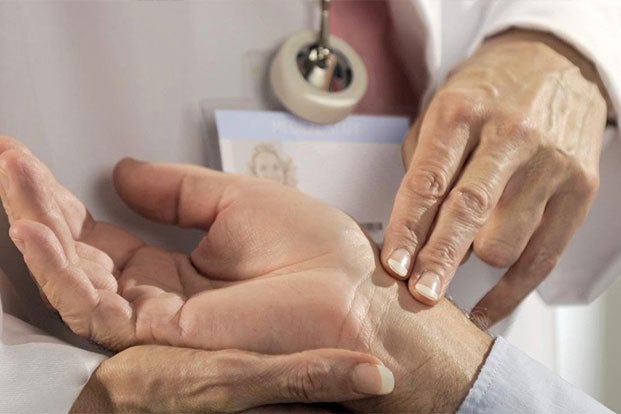
Hepatitis can also spread through the parental route:
Hepatitis can also spread through parental routes (through exposure of body fluids) e.g. Hepatitis B, C and D viruses. These spread by contact with infected body fluids like blood, serum, saliva, tears, vaginal fluids or other body fluids. It can spread from mother to child during birth, between sexual partners or heterosexual persons with multiple partners or a history of sexually transmitted disease, institutionalised persons like prisoners, developmentally disabled persons, during contact with open wound of an infected person without using gloves, getting a tattoo or piercing done using unsterilized equipment or reusing a used razor, nail filers or cuticle clippers in salon/ parlours.
- People who undergo repeated blood transfusions or hemodialysis due to any cause are at increased risk of having hepatitis.
- Undergoing surgeries without proper sterilisation of equipments/ instruments or not getting it done at proper hospitals can cause Hepatitis B or Hepatitis C to occur.
- It can spread to persons having history of organ transplantation from infected donors.
- Doctors, nurses or health care workers are at increased risk of Hepatitis B or Hepatitis C as they are in constant contact with patients who might have Hepatitis.
Other group includes the noninfectious causes which include persons who regularly consume alcohol, are obese, have autoimmune diseases. Unnecessary drugs should be avoided.