Protein Rich Food – Vegetarian Sources: Your Complete Guide to Plant Power
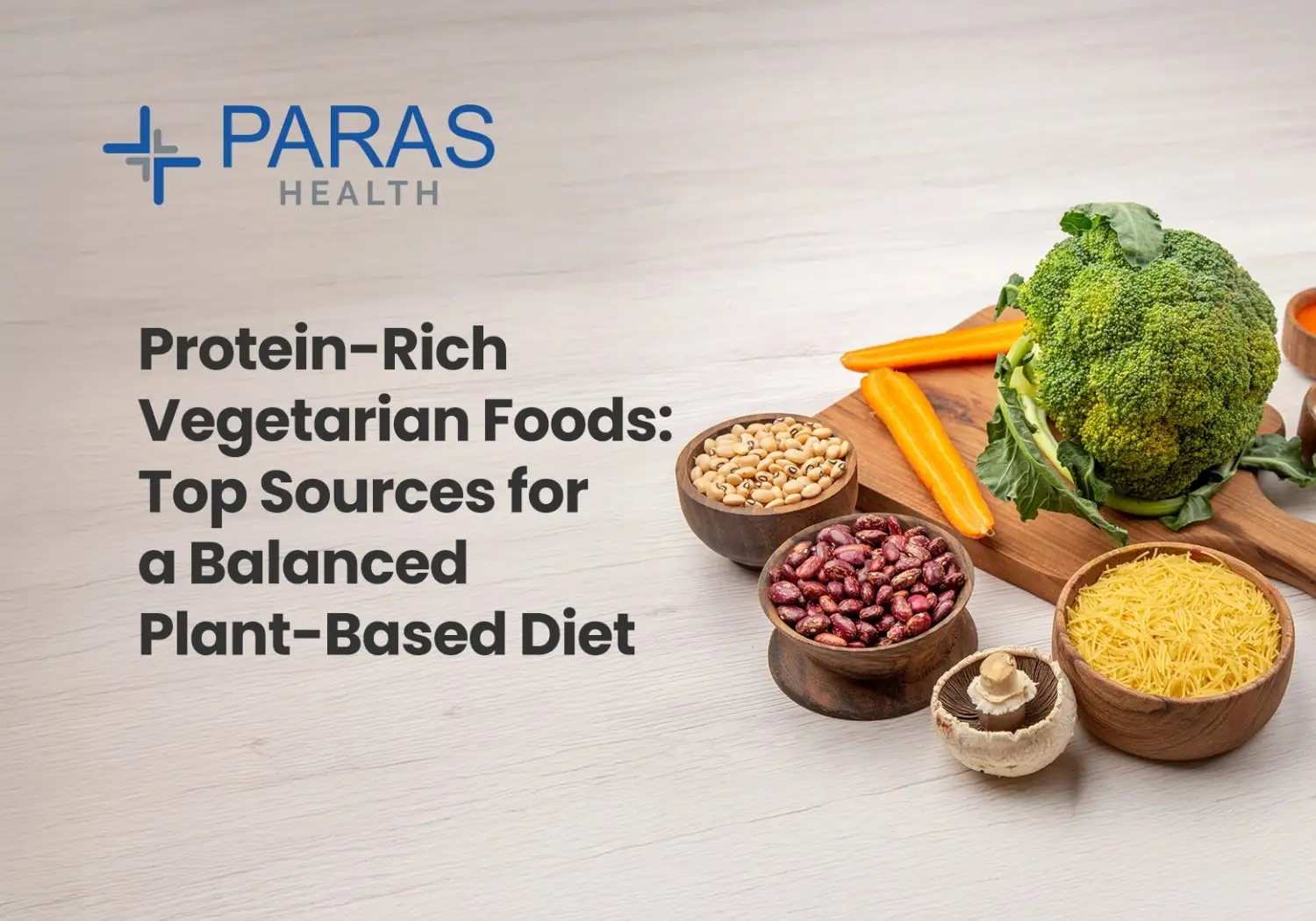

If you’ve ever asked, “How can I get enough protein without eating meat?”, you’re not alone. Many vegetarians in India often wonder whether they’re getting enough protein. The good news? There are plenty of vegetarian protein sources that are nutritious, affordable, and easy to add to your daily meals.
In this comprehensive guide, we’ll explore:
- Why protein is essential
- Top vegetarian protein-rich foods
- High-protein Indian meals
- Budget-friendly protein options
- Common myths around plant protein
- FAQs based on user search queries
Why Do You Need Protein?
Protein is one of the most important nutrients in your diet. Whether you’re trying to build muscle, stay healthy, or maintain a strong immune system, protein plays a key role. It helps with:
- Building and repairing muscles
- Maintaining healthy skin, hair, and nails
- Supporting immune function
- Aiding weight loss and metabolism
Question: Why is protein important for vegetarians?
Answer: It helps in growth, immunity, and maintaining body functions.
Top 10 Vegetarian Protein Sources
Let’s dive into the best plant-based protein-rich foods, especially for Indian vegetarians:
1. Lentils (Dal)
- Protein: 7–9g per 100g (cooked)
- Types: Moong, Masoor, Urad, Toor
- Easy to digest and perfect for khichdi, soups, or regular dal.
Which dal has the most protein?
Answer: Urad dal and moong dal top the list.
2. Chickpeas (Chana)
- Protein: 8–10g per 100g (cooked)
- Available as black chana or kabuli chana.
- Great for curries, chaats, or hummus.
3. Kidney Beans (Rajma)
- Protein: Around 8.5g per 100g (cooked)
- Popular in North Indian meals.
- Pair with rice or multigrain roti for a complete meal.
4. Soybeans and Soy Products
- Soya Chunks: 52g protein/100g (dry)
- Tofu: 8–10g/100g
- Soy Milk: 7g per cup
- A complete protein source (contains all amino acids)
Ideal for: Gym-goers, weight watchers, and muscle building.
5. Paneer (Cottage Cheese)
- Protein: 18–20g per 100g
- Use in bhurji, curry, salad, or tikka.
- Slow-digesting casein protein keeps you fuller longer.
Is paneer good for protein?
Answer: Yes, it’s one of the best vegetarian protein sources.
6. Greek Yogurt (Hung Curd)
- Protein: 10g per 100g
- Thicker than regular curd, rich in probiotics
- Ideal for breakfast, smoothies, or dips.
7. Quinoa
- Protein: 8g per cup (cooked)
- Gluten-free and a complete protein
- Can replace rice in pulao, khichdi, or salad.
8. Amaranth (Rajgira)
- Protein: 9g per 100g
- Used in porridge, laddoos, or parathas
- High in fiber and essential micronutrients
9. Green Peas
- Protein: 5g per 100g
- Add to sabzis, pulao, or soups
- Great for kids and easy to cook
10. Nuts and Seeds
- Almonds: 21g protein/100g
- Pumpkin Seeds: 19g
- Chia Seeds: 17g
- Also rich in omega-3 fats and fiber
Use in smoothies, desserts, or raw snacks.
High Protein Indian Meals – Easy & Local
Here are some Indian meal combinations that are protein-rich and easy to prepare:
|
Meal |
Ingredients |
Protein Boost |
|
Breakfast |
Besan chilla + curd |
Add paneer or tofu bits |
|
Lunch |
Rajma + rice |
Add chickpea salad or curd |
|
Snack |
Roasted chana + soy milk |
Add a banana or peanut chikki |
|
Dinner |
Dal + brown rice + mix veg |
Add paneer salad or Greek yogurt |
Protein-Rich Thali: Dal, sabzi, paneer, curd, multigrain roti, salad.
Budget-Friendly Vegetarian Protein Foods (Under ₹50/Serving)
You don’t need expensive supplements to meet your protein goals. Try these affordable, local options:
- Roasted black chana
- Masoor dal
- Sprouted moong
- Homemade tofu
- Soya chunks
- Boiled peanuts
- Eggs (for ovo-vegetarians)
What is the cheapest vegetarian protein source?
Answer: Roasted chana, lentils, and soya chunks.
Can You Build Muscle on a Vegetarian Diet?
Yes, 100%! Indian bodybuilders and athletes have proven you don’t need meat to build muscle. What you need is:
- High-protein vegetarian foods
- Progressive resistance training
- Adequate calories and hydration
- Protein-rich meals post workout
Post-workout options: Paneer cubes, soya chunks, chana, or peanut banana shake.
Busted Myths About Vegetarian Protein
Let’s clear the confusion:
- Myth: Plant proteins are incomplete
Truth: Combine foods like dal + rice or roti + hummus to get full amino acid profile. - Myth: You can’t gain muscle without meat
Truth: Smart planning = strong results. - Myth: Vegetarian diets are protein-deficient
Truth: Not true—just include variety!
FAQs
1. How much protein do vegetarians need?
Most adults require 0.8g per kg of body weight. For active individuals, 1.2–1.8g/kg is ideal.
2. Which vegetarian foods are high in protein for gym?
Paneer, tofu, soya chunks, chickpeas, peanuts, and Greek yogurt are top options.
3. Can I meet protein needs without supplements?
Yes. A diverse diet of dals, legumes, dairy, seeds, and grains can provide sufficient protein.
4. Is whey protein vegetarian?
Yes, since whey is derived from milk, it is suitable for vegetarians (not vegans).
5. Is paneer a good protein source?
Yes. With 18–20g per 100g and slow-digesting protein, it’s perfect for vegetarians.
6. Which dal has the highest protein?
Urad dal and moong dal are among the highest in protein content.
7. Cheapest vegetarian protein sources in India?
Roasted chana, soya chunks, sprouted moong, and masoor dal.
8. What should I eat post workout as a vegetarian?
Paneer, soya, chana, banana shake, or peanut butter toast.
9. Are plant proteins incomplete?
Some are, but pairing them (like rice + dal) makes them complete.
10. Can vegetarians build muscle effectively?
Absolutely! With consistency and proper diet, muscle gain is achievable.
Final Thoughts: Go Plant-Based, Go Protein Strong!
Being vegetarian does not mean compromising on nutrition. Whether your goal is muscle gain, weight loss, or general health, a balanced vegetarian diet can fulfill your daily protein needs.
Pro Tips:
- Eat local, seasonal, and unprocessed
- Balance protein with carbs and fats
- Drink water, sleep well, and stay consistent
Remember—protein isn’t just for athletes. It’s for everyone.
And now, with this guide, you’re fully equipped to eat smart, stay strong, and thrive—vegetarian style.



.webp)