Thyroid Imbalance: Symptoms, Causes, Tests, Treatment & Complete Guide
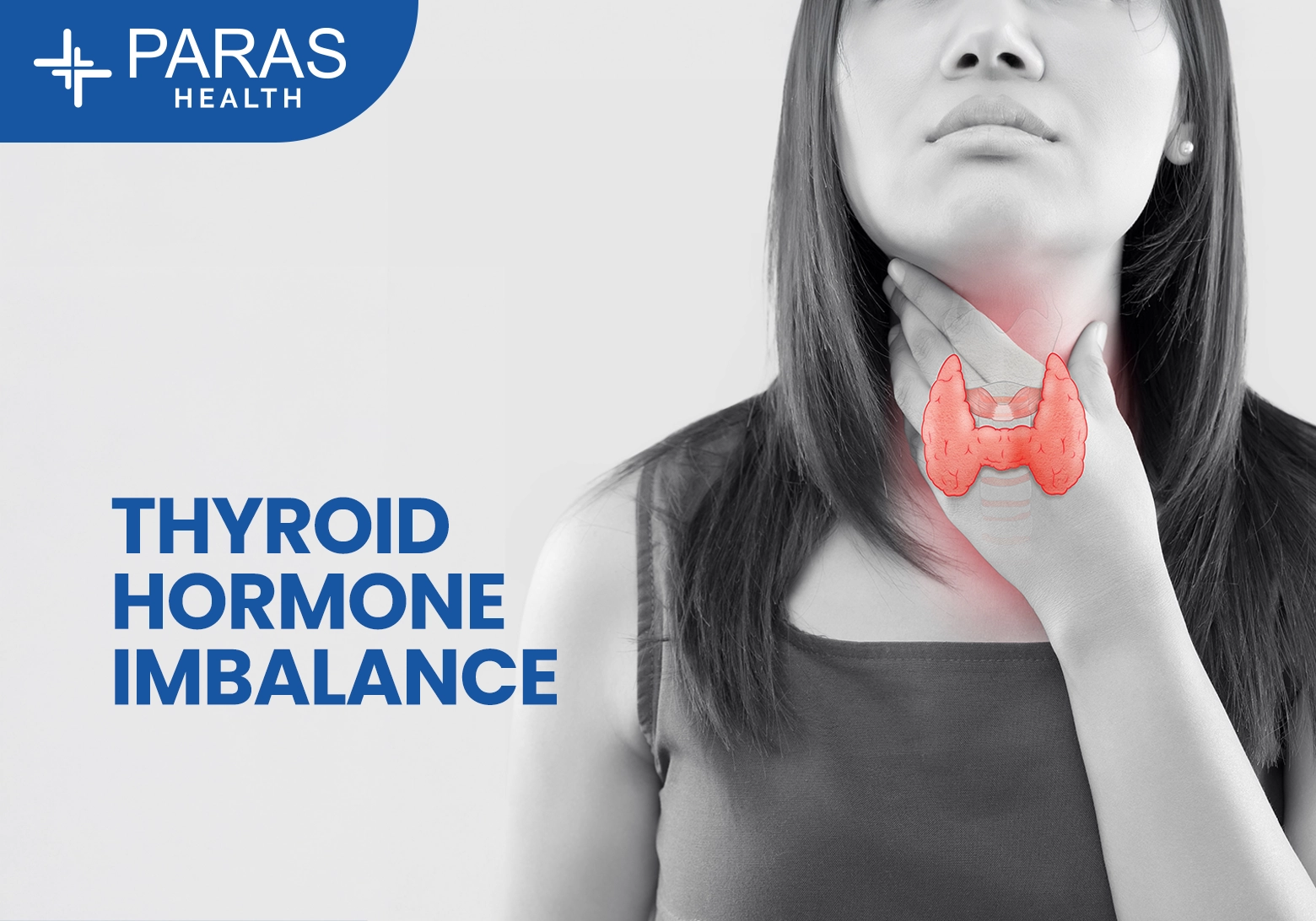
TABLE OF CONTENTS

Thyroid imbalance has become increasingly common today, especially among women, young adults, and people with hectic lifestyles. The thyroid gland is a small, butterfly-shaped gland in your neck, but it controls some of the biggest functions of your body — metabolism, energy levels, periods, weight, mood, and even your heart rate.
When thyroid hormones go even slightly high or low, your body begins to send signals. The problem is that most people ignore these early symptoms, believing they are due to stress, age, or work pressure.
In this detailed blog, we’ll help you understand what thyroid imbalance is, early symptoms, causes, tests, treatment options, diet tips, prevention, and when to consult a doctor—in simple and easy language.
What Is Thyroid Imbalance?
Thyroid imbalance simply means your thyroid gland is not producing hormones in the right amount. For your body to function properly, the thyroid must release balanced levels of T3, T4, and TSH.
There are two major types:
Hypothyroidism (Underactive Thyroid)
Your thyroid is producing less hormones. This slows down your metabolism.
Hyperthyroidism (Overactive Thyroid)
Your thyroid is producing excess hormones. This speeds up your metabolism too much.
Both conditions are treatable, but early diagnosis and consistent monitoring are very important.
Common Symptoms of Thyroid Imbalance
Symptoms vary depending on whether your thyroid is underactive or overactive. Here are the common signs:
Hypothyroidism Symptoms (Thyroid Low)
If your thyroid is underactive, you may notice:
- Persistent tiredness and fatigue
- Weight gain even with normal eating
- Hair fall and thinning
- Dry, rough skin
- Feeling unusually cold
- Irregular or heavy periods
- Constipation
- Depression or mood swings
- Slow heart rate
- Muscle cramps
- Sleep problems
These symptoms appear slowly, which is why many people ignore them.
Hyperthyroidism Symptoms (Thyroid High)
If your thyroid is overactive:
- Unexplained weight loss
- Anxiety, irritability, restlessness
- Heat intolerance
- Fast heartbeat or palpitations
- Excessive sweating
- Tremors in hands
- Trouble sleeping
- Muscle weakness
Hyperthyroidism symptoms progress faster and affect your daily routine quickly.
Thyroid Symptoms in Women
Women experience thyroid imbalance more often than men due to hormonal changes.
- Irregular periods
- Fertility issues
- Miscarriages
- Postpartum thyroid problems
- Sudden weight changes
Thyroid testing is especially important for women planning pregnancy.
Thyroid Symptoms in Men
Men may experience:
- Low energy
- Mood changes
- Reduced muscle strength
- Changes in heart rate
- Hair thinning
Although less common in men, thyroid imbalance can affect overall health if untreated.
Causes of Thyroid Imbalance
There are multiple reasons behind thyroid problems. The most common include:
Autoimmune Conditions
- Hashimoto’s thyroiditis → causes hypothyroidism.
- Graves’ disease → causes hyperthyroidism.
In autoimmune problems, your immune system attacks your thyroid gland.
Iodine Deficiency or Excess
- Iodine is needed for making thyroid hormones. Too little or too much can create imbalance.
Genetics
- If thyroid imbalance runs in your family, you may be at higher risk.
Stress & Lifestyle Factors
- Chronic stress affects hormone regulation and may trigger thyroid issues.
Thyroid Nodules or Goiter
- Abnormal growths in the thyroid can cause hormone imbalance.
Post-Pregnancy Hormonal Changes
- Many women experience thyroid imbalance postpartum.
How Thyroid Imbalance Is Diagnosed
The most important test for thyroid is the Thyroid Function Test (TFT). It checks your:
- TSH levels
- T3 levels
- T4 levels
Additional Tests:
- Thyroid ultrasound – checks enlargement, nodules, or inflammation
- Radioactive iodine uptake test – for hyperthyroidism
- Autoimmune antibody test – checks Hashimoto’s & Graves’
If you see symptoms like persistent fatigue, weight changes, hair fall, mood swings, or irregular heartbeat, a basic TSH test is the best starting point.
Treatment Options for Thyroid Imbalance
The good news? Thyroid imbalance is manageable with proper treatment.
Hypothyroidism Treatment (Thyroid Low)
- The standard treatment is levothyroxine, a hormone replacement medicine.
- Dose is adjusted based on TSH levels.
- Regular monitoring (every 6–12 weeks initially) is important.
Most patients feel better within weeks after the right dosage.
Hyperthyroidism Treatment (Thyroid High)
Treatment depends on severity:
- Anti-thyroid medicines (control hormone production)
- Radioactive iodine therapy (reduces thyroid activity)
- Thyroid surgery (if nodules or severe problem)
- Beta-blockers to manage fast heartbeat
A specialist decides the best plan after evaluating your case.
Natural and Lifestyle Management
Along with medical treatment:
- Improve sleep habits
- Reduce stress
- Stay physically active
- Follow a thyroid-friendly diet
- Avoid smoking
- Limit caffeine if you have hyperthyroidism
Lifestyle changes help manage symptoms better.
Thyroid Diet Plan: Foods to Eat & Avoid
Diet plays a key role in thyroid management.
Foods Good for Thyroid Health
- Iodine-rich foods: dairy, iodized salt, fish
- Selenium-rich foods: eggs, sunflower seeds, nuts
- Zinc-rich foods: legumes, pumpkin seeds
- Fruits: berries, bananas, apples
- Vegetables: carrots, spinach, beetroot
- Whole grains
- Lean proteins
Foods to Avoid in Thyroid Problems
- Excess soy
- Cabbage, cauliflower, broccoli (raw)
- Gluten in sensitive individuals
- Highly processed foods
- Sugary snacks
- Excess caffeine
Thyroid Meal Plan Tips
- Have balanced meals with protein, healthy fats, and fiber
- Avoid skipping breakfast
- Stay hydrated
- Choose home-cooked over packaged foods
Thyroid in Special Groups
Pregnancy & Thyroid
Low or high thyroid levels during pregnancy can affect mother and baby. Early testing and close monitoring are essential.
Thyroid in Teenagers
Sudden weight changes, fatigue, mood swings, and hair fall may be signs.
Thyroid in Elderly
Thyroid imbalance may increase risk of heart disease and cognitive changes.
When Should You See a Thyroid Doctor?
Consult a thyroid specialist if you have:
- Severe fatigue
- Unexplained weight changes
- Hair fall
- Mood swings
- Irregular heartbeat
- Irregular periods
- Neck swelling
- Difficulty sleeping
- Anxiety for unknown reasons
- Symptoms not improving despite home remedies
Early consultation can prevent long-term complications.
Conclusion
Thyroid imbalance is common but very manageable with the right approach. The key is early diagnosis, regular monitoring, a balanced diet, and following your doctor’s treatment plan. If you notice persistent symptoms like fatigue, weight changes, hair fall, mood issues, or irregular heartbeat, consider getting a simple thyroid test. The sooner you act, the better your thyroid health and overall wellbeing will be.
FAQs
What are the early symptoms of thyroid imbalance?
Early signs include fatigue, weight changes, hair fall, dry skin, irregular periods, and mood swings. These symptoms appear slowly, so timely testing helps.
How can I know if my thyroid is high or low?
A simple TSH, T3, and T4 test can diagnose it. Weight loss, anxiety, and fast heartbeat suggest high thyroid, while fatigue and weight gain suggest low thyroid.
Which test is needed for thyroid problems?
The main test is the Thyroid Function Test (TFT) which checks TSH, T3, and T4 levels. Ultrasound and antibody tests may be needed in some cases.
Can thyroid imbalance be cured permanently?
Hypothyroidism usually needs lifelong medication. Hyperthyroidism can sometimes be cured depending on the cause and treatment.
What foods should thyroid patients avoid?
Limit raw cabbage, soy products, processed foods, sugary snacks, and excessive caffeine. These can interfere with thyroid function.
What is the normal TSH level?
A normal TSH level is usually between 0.4 to 4.0 mIU/L. Your doctor may prefer a narrower range depending on symptoms.
Does stress affect thyroid levels?
Yes. Chronic stress impacts hormone production and may worsen thyroid imbalance. Relaxation and sleep help restore balance.
How to control thyroid naturally at home?
Eat a balanced diet, manage stress, stay active, and sleep well. Natural methods support treatment but cannot replace medication.
Are thyroid problems more common in women?
Yes, women are 5–8 times more likely to develop thyroid issues due to hormonal changes and pregnancy-related shifts.
When should I see a thyroid specialist?
If you have fatigue, weight change, hair fall, palpitations, or irregular periods, you should consult a thyroid doctor for evaluation.