
Calcium Deficiency Symptoms: Signs Your Body Should Not Ignore

TABLE OF CONTENTS
- What Is Calcium Deficiency?
- Why Calcium Is So Important for the Body
- What Are the Symptoms of Calcium Deficiency?
- Calcium Deficiency Symptoms in Women
- Calcium Deficiency Symptoms in Men
- Calcium Deficiency Symptoms by Age Group
- What Causes Low Calcium Levels?
- How Is Calcium Deficiency Diagnosed?
- When to See a Doctor for Calcium Deficiency
- Can Calcium Deficiency Be Prevented?
- Key Facts About Calcium Deficiency
- Conclusion
- FAQs

Calcium is one of the most important minerals your body needs every single day. Most people associate calcium only with bones and teeth, but its role goes far beyond that. From muscle movement and nerve signals to heart rhythm, calcium plays a silent yet powerful role in keeping your body functioning smoothly.
When your body does not get enough calcium, it leads to calcium deficiency, also known medically as low calcium levels. The problem is that calcium deficiency symptoms often start mildly and are easy to ignore—until they become serious.
In this detailed guide, we’ll explain calcium deficiency symptoms, how they feel, why they happen, who is at risk, and when you should see a doctor.
What Is Calcium Deficiency?
Calcium deficiency occurs when your body does not have enough calcium to meet its daily needs. This can happen due to poor dietary intake, poor absorption, vitamin D deficiency, or certain medical conditions.
Low calcium levels in the blood are also called hypocalcemia. Over time, calcium deficiency affects bones, muscles, nerves, heart function, skin, hair, and overall energy levels.
Why Calcium Is So Important for the Body
Calcium is essential for:
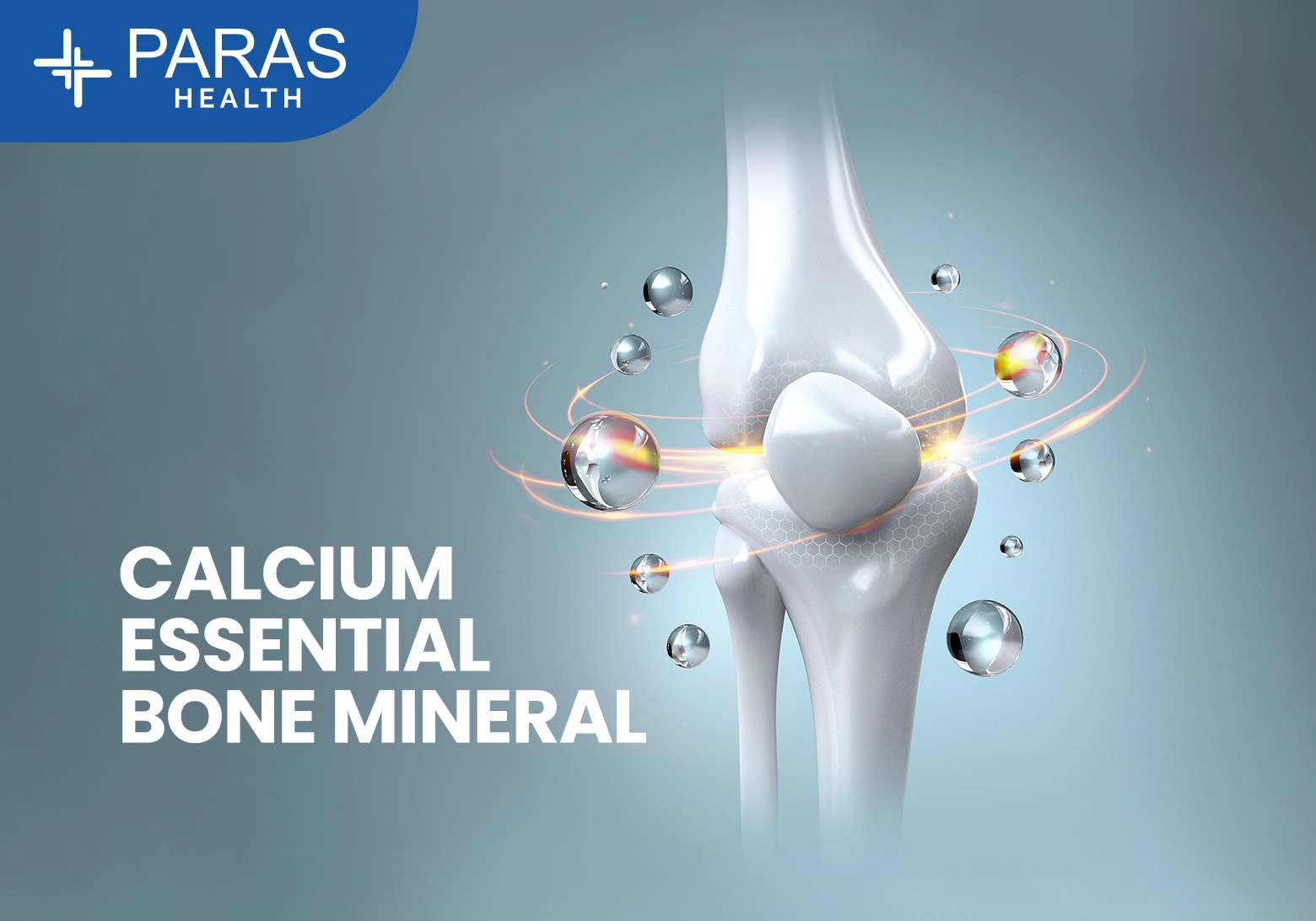
- Building and maintaining strong bones and teeth
- Muscle contraction and relaxation
- Proper nerve function
- Maintaining a regular heartbeat
- Blood clotting
- Hormone release
When calcium levels drop, your body starts pulling calcium from bones, weakening them gradually.
What Are the Symptoms of Calcium Deficiency?
Calcium deficiency symptoms can vary from person to person. Some people experience mild discomfort, while others may develop severe and even dangerous complications.
Symptoms usually appear slowly and worsen over time if untreated.
Early Symptoms of Calcium Deficienc
Early signs are often subtle and ignored, but they are your body’s first warning signals.
Common early calcium deficiency symptoms include:
- Fatigue due to calcium deficiency
- Weakness due to low calcium
- Low energy levels
- Muscle cramps, especially in legs and feet
- Tingling sensation in fingers or around the mouth
These symptoms may come and go, which is why many people don’t connect them to low calcium levels.
Severe Calcium Deficiency Symptoms
If calcium deficiency continues for a long time, symptoms become more intense and harder to ignore.
Severe symptoms of low calcium levels include:
- Bone pain due to calcium deficiency
- Joint pain and stiffness
- Frequent fractures from minor falls
- Muscle spasms and involuntary twitching
- Seizures due to calcium deficiency
- Irregular heartbeat or palpitations
Severe calcium deficiency is a medical concern and should never be ignored.
Bone and Joint Symptoms of Low Calcium
Calcium deficiency directly affects bone strength and density.
Bone-related symptoms include:
- Weak bones symptoms
- Brittle bones that break easily
- Back pain due to calcium deficiency
- Bone weakness due to low calcium
- Increased risk of osteoporosis
Over time, low calcium levels reduce bone density, making bones fragile and prone to fractures, especially in older adults.
Muscle and Nerve Symptoms of Calcium Deficiency
Calcium plays a major role in muscle contraction and nerve signal transmission.
Muscle and nerve symptoms include:
- Muscle weakness
- Muscle cramps and spasms
- Tingling sensation in hands and feet
- Numbness in fingers
- Nerve pain
- Confusion or difficulty concentrating
Low calcium levels make nerves overactive, leading to abnormal sensations and muscle tightness.
Heart and Neurological Symptoms
Calcium is essential for maintaining a normal heart rhythm.
Heart and neurological symptoms of calcium deficiency include:
- Irregular heartbeat
- Heart palpitations
- Dizziness
- Neurological symptoms such as confusion
- In rare cases, seizures
Low calcium levels can disturb electrical signals in the heart and brain, making these symptoms serious.
Skin, Hair, and Nail Symptoms
Calcium deficiency also affects external appearance over time.
Common signs include:
- Hair fall due to calcium deficiency
- Hair thinning
- Brittle nails that break easily
- Weak nails
- Dry skin
These symptoms often appear gradually and are commonly mistaken for aging or stress.
General Health Symptoms of Low Calcium Levels
Apart from specific systems, calcium deficiency affects overall well-being.
General symptoms include:
- Persistent fatigue
- Low stamina
- Dizziness
- Poor appetite
- Reduced quality of life
These symptoms often overlap with other deficiencies, which is why testing becomes important.
Calcium Deficiency Symptoms in Women
Women are more prone to calcium deficiency due to hormonal changes.
Common calcium deficiency symptoms in women include:
- Bone pain
- Muscle cramps
- Increased fracture risk
- Calcium deficiency after menopause symptoms
- Faster bone density loss
Post-menopausal women have lower estrogen levels, which directly affects calcium absorption and bone strength.
Calcium Deficiency Symptoms in Men
Men can also develop calcium deficiency, especially with poor diet or sedentary lifestyle.
Symptoms in men include:
- Bone pain
- Muscle weakness
- Joint discomfort
- Increased fracture risk with age
Calcium deficiency in men is often underdiagnosed.
Calcium Deficiency Symptoms by Age Group
Calcium Deficiency Symptoms in Adults
- Fatigue and weakness
- Muscle cramps
- Back pain
- Low energy levels
Calcium Deficiency Symptoms in Elderly
- Frequent falls
- Bone density loss
- Fractures from minor injuries
- Poor balance
Calcium Deficiency Symptoms in Children
- Weak bones
- Delayed growth
- Muscle cramps
- Dental issues
What Causes Low Calcium Levels?
Common causes of calcium deficiency include:
- Low dietary calcium intake
- Poor calcium absorption
- Vitamin D deficiency
- Excess tea or coffee intake
- Hormonal changes
- Certain medications
Vitamin D and calcium deficiency symptoms often occur together because vitamin D is essential for calcium absorption.
How Is Calcium Deficiency Diagnosed?
Doctors diagnose calcium deficiency using:
- Calcium blood test
- Low calcium blood test symptoms evaluation
- Review of medical history and diet
Normal calcium levels vs low calcium levels are compared to confirm deficiency.
When to See a Doctor for Calcium Deficiency
You should consult a doctor if you experience:
- Persistent bone or joint pain
- Frequent muscle cramps
- Tingling or numbness
- Repeated fractures
- Irregular heartbeat
Untreated calcium deficiency can lead to serious complications.
Can Calcium Deficiency Be Prevented?
Yes. Calcium deficiency can often be prevented with:
- A calcium-rich diet
- Adequate vitamin D
- Healthy lifestyle habits
- Regular health check-ups
Early diagnosis and treatment make a big difference.
Key Facts About Calcium Deficiency
- Calcium deficiency can develop silently over years
- Bones lose strength before pain appears
- Vitamin D is essential for calcium absorption
- Women after menopause are at higher risk
- Calcium deficiency is reversible if treated early
Conclusion
Calcium deficiency symptoms often start quietly but can have serious long-term effects if ignored. From bone pain and muscle cramps to heart rhythm issues, low calcium levels impact your entire body.
The good news is that calcium deficiency is preventable and treatable. Paying attention to early symptoms, maintaining a balanced diet, and seeking timely medical advice can help protect your bones and overall health for years to come.
If you suspect calcium deficiency, don’t ignore the signs—your body is trying to tell you something.
FAQs
What happens if calcium is low in the body?
Low calcium affects bones, muscles, nerves, and heart function. Over time, it can lead to weak bones and fractures.
Can calcium deficiency cause pain?
Yes, calcium deficiency can cause bone pain, joint pain, muscle cramps, and back pain.
Does calcium deficiency cause muscle cramps?
Yes, muscle cramps and spasms are common symptoms of low calcium levels.
Can low calcium cause numbness?
Low calcium can cause tingling and numbness in fingers, hands, and feet.
How does calcium deficiency feel?
People often feel tired, weak, experience muscle cramps, and notice bone or joint discomfort.
Is calcium deficiency dangerous?
Severe calcium deficiency can affect the heart and nervous system and may be dangerous if untreated.
Who is at higher risk of calcium deficiency?
Women after menopause, elderly people, children, and those with poor diets are at higher risk.
How is calcium deficiency diagnosed?
It is diagnosed through a calcium blood test and clinical evaluation.
Can calcium deficiency be reversed?
Yes, with proper diet, supplements, and treatment, calcium deficiency can be reversed.
When should I see a doctor for calcium deficiency?
If symptoms persist, worsen, or include fractures or heart symptoms, consult a doctor immediately.



.webp)