

Chat with us on WhatsApp

Avoid Dengue by Preventing Mosquito Bites:Maintain Hygiene


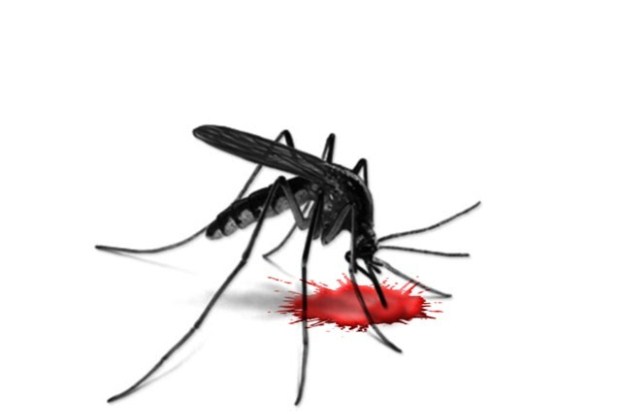
Mosquito carrying dengue virus
Book Appointment
in Internal Medicine

Apr 19, 2022

Dengue can be defined as a major vector bone disease in India which is responsible for numerous deaths and health complications. Each year, an estimated 400 million people are infected with dengue virus. About 100 million get sick. Those who become infected with the virus a second time are at a significantly greater risk of developing severe disease.
Symptoms include high fever, headache, rash and muscle and joint pain. In severe cases, there is serious bleeding and shock, which can be life-threatening. Treatment includes fluids and pain relievers. Severe cases require hospital care.

How to Prevent Dengue?

Use insect repellent, wear long-sleeved shirts and long pants, and control mosquitoes inside and outside your home.

Signs and Symptoms of Dengue

Most people infected have mild or no symptoms. About 1 in 4 people infected with dengue will get sick. Mild symptoms of dengue may be confused with other illnesses that cause fever and flu-like illness. Most people will recover after about one week.

The most common symptoms are fever and one or more of the following:

  • A headache
  • Eye pain (typically behind the eyes)
  • Muscle, joint, or bone pain
  • Rash
  • Nausea and vomiting
  • Unusual bleeding (nose or gum bleed, small red spots under the skin, or unusual bruising)

It’s monsoon season and the risk of getting mosquito bite-induced infections and diseases like Dengue is at an all-time high.

However, the good news is, with simple prevention and hygiene promoting practices, the risk of catching Dengue fever can be done away with.

Here are some top tips to protect your self from Dengue this monsoon season.

Keep dengue mosquitoes away from your home, follow these seven ways mentioned below:

  • Clear stagnant water.
  • Use camphor.
  • Close entry points.
  • Window nets.
  • Using Neem Oil.
  • Grow Tulsi plants.
  • Clean up trash.

Book Appointment

Recent Blogs

With all experts and government bodies warning civilians of signs and symptoms of Covid 19 3rd wave, its arrival is not a question of if rather than it is of when. With news channels reporting potential new symptoms of COVID 3rd wave, it can be confusing and stressful to understand how to keep yourself safe from Covid 3rd wave in India. 
Continue Reading
With COVID19 still spreading across India and the arrival of other flu diseases, viral infection and scrub typhus disease with the seasonal monsoon, we are all collectively prone to catching mystery viral fever symptoms.
Continue Reading
As the second wave of covid 19 in India recedes, it is important to educate oneself about new covid delta variant and progression in the virus as we begin to prepare ourselves for a possible third wave of covid in India. Out of the numerous new covid delta variant and delta plus variant are particularly crucial when considering the 3rd wave of covid variant in India. 
Continue Reading
f you are diabetic or know someone who has diabetes during COVID, the question how does covid-19 affect diabetes patients, must be at the top of your mind. A person who has COVID and diabetes, is said to have a comorbidity.
Continue Reading
Pandemic conditions are getting better in India, but experts are raising concerns over an even more harmful COVID 3rd wave in India. third wave of corona is inevitable, according to experts, and the symptoms of 3rd wave Covid, delta variant are likely to be worse than the symptoms of the first two waves of Covid. 
Continue Reading
Blood donation is a life saving noble cause which helps in treating multiple health problems. A person who gives blood during the time of emergency are applauded for their selfless act. 1 person donating blood can save the lives of 3 people.
Continue Reading
Malaria  is one of the oldest infections that  causes suffering amongst mankind.For several years cholorquin was the mainstay of treatment. However now for sometime the plasmodium bug which causes malaria has become resistant to this except in areas  where malaria prevalence is low.
Continue Reading
Request A Call Back
Didn't Find What You Were Looking For

Get a call back from our Health Advisor