

Can obesity and overweight affect fertility?


Obesity has a detrimental influence on all system including reproductive health. Obesity can have a major effect on fertility and complications in early pregnancy. A wide range of issues because of obesity are hormonal imbalance, ovulation. Metabolic syndromes like PCOS, diabetes do affect fertility in the majority of women in reproductive age group.
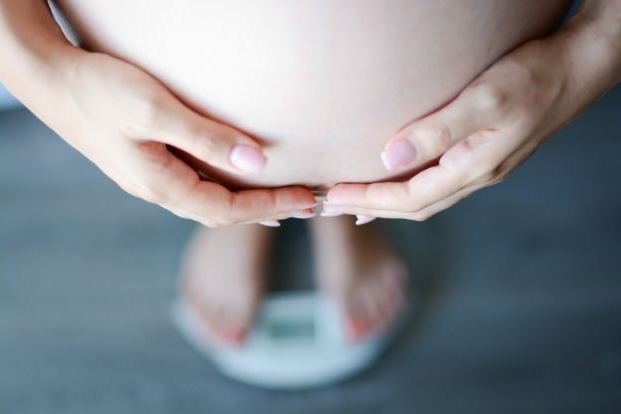
484126512
Obesity can contribute to problems with ovulation and to irregular menstrual periods: It also contributes to a lowered response to fertility treatment and to miscarriages. Research indicates that reducing obesity improves women’s reproductive health. Women with a condition called polycystic ovary syndrome, or PCOS, face a higher risk of both obesity and infertility. Lifestyle changes, such as losing weight, can trigger body changes that facilitate conception in women with PCOS.
Men’s obesity also is associated with a higher risk of infertility. There are several ways that excess weight may affect a man’s fertility, including changes in his hormone and semen production.
How to tell if you are overweight or obese?
Most common categorization of overweight or obese is as per your BMI ( Body Mass Index)
It is calculated by Weight in kg / (Height in meter)2
Ideal BMI is between 18.5 to 24.9. BMI between 25 to 29.9 is considered overweight & BMI above 30 is obese.
With increasing prevalence of obesity and overweight in reproductive age group. Infertility, Pregnancy complication, miscarriage rates & poor reproductive outcome has been noted.
Hormones and Infertility:
Hormonal secretion is affected because of increased peripheral aromatization of androgens to estrogen, insulin résistance and hyperinsulinemia in obese women leads to hyperandrogenemia.
There is a decrease in values of sex hormone binding globulin (SHBG) & Insulin-like growth factor binding protein (IGFBP) & increased levels of leptin. All this leads to decreased neuro-regulation of the hypothalamic pituitary ovarian axis (HPO). These alterations explain impair ovulatory function & So the reproductive health
It can be concluded obesity causes infertility by various pathway included Impair follicular development quantitative and qualitative decline in Oocyte development, fertilization, embryo development & Implantation.