

Can you get the HPV vaccine if you are already Sexually active?


Human Papillomavirus (HPV) is a vaccine that helps prevent cervical cancer. The human papillomavirus (HPV) is one of the most common sexually transmitted infections in the world. This virus is linked to cancers of the cervix, throat, anus, and penis. When getting any vaccine, there’s always a risk of side effects; however, most of them are mild and temporary. This is true of the HPV vaccine, too—it doesn’t pose a greater risk than other vaccines, and it certainly doesn’t cause mental retardation. The reason this vaccine is only recommended for people under 26 has nothing to do with safety.
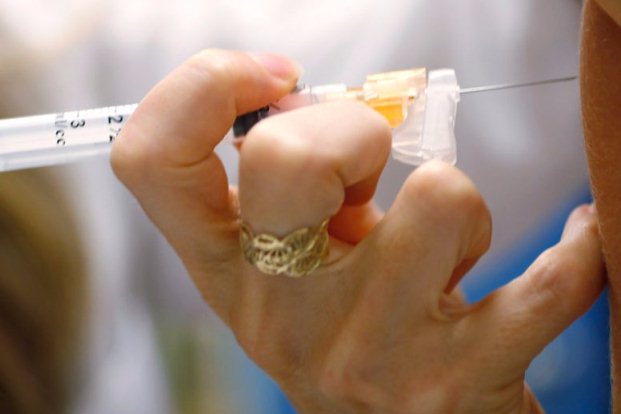
Why is an HPV vaccine important?
Nearly 75 percent of women will come into contact with the HPV virus in their lifetime. A preventative vaccine could be just the thing to ease your mind and help protect your body
If you have had sexual contact or plan to have sexual contact in your lifetime, you’re at risk for getting HPV.
- Any person who has sexual contact, no matter what color, race, gender or sexual orientation can get HPV. In fact, at least 1 in every 2 sexually active young women has had a genital HPV infection.
- The HPV (human papillomavirus) vaccine actually has the best chance of protecting against infection if the series of shots is given before a person becomes sexually active.
- For kids and teens ages 9-14, the HPV vaccine is given in two shots over a 6- to 12-month period.
- For teens and young adults ages 15-26, it is given in three shots over a 6-month period.
- While a girl may not be sexually active now, she likely will be at some point in her life. Girls may contract HPV in their teenage or young adult years and then develop cancer years later.
- For women in longstanding relationships, HPV is not as big of a risk as it is for those who are serially monogamous or have more than one sexual partner
When should one opt for an HPV vaccination?
Ideally HPV vaccine should be given in childhood 9-14 yrs or extended up to 26 yrs. This will confer immunity against HPV virus till she becomes sexually active. But if a lady has not taken HPV vaccine and is already sexually active, there is no contraindication.
Still, she can take the vaccine.