

Crash Diets - Are They of Any Use?
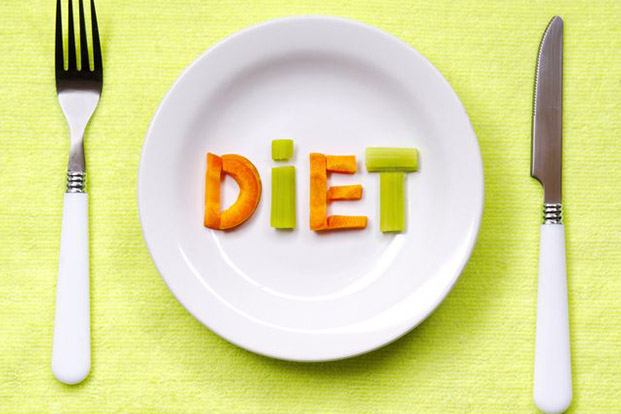

A Crash Diet is all about losing quickly. Here calorie intake is restricted to nearly 700 cal per day. It has been observed that crash diet can help you lose 2.5-5kgs within a few days. There are several crash diets available, to name a few- YO-YO Diet, 3 Day Meal Diet, Juice Fast Crash Diet, Cabbage Soup Diet, etc.
But question is does it really work?
It depends on the target you wish to achieve and how long you carry the diet. Crash diets are difficult to implement as your calories and vital nutrients are restricted. For obese patients crash diets often fail as too many methods (used over and over again) to cut fat, confuses the body metabolism. As a result body refuses to accept any change after a point. Crash diets are metabolically unsound- whenever a person suddenly restricts the calorie intake, the body, fearing starving, rebels to protect fat content in our body by lowering the metabolism. So here in this rather than switching to fat-burning mode, it rather switches to fat storage mode, hence weight loss is not seen.
- You lose water – Weight scale goes down after crash diets, it’s because your body rapidly loses water weight or muscle weight. Water weight is something that you quickly gain back over a period of time, hence fails the concept of diet.
- You don’t limit the fats – Another reason why crash diets are un- healthy is because they not only cut out bad fats but also the good or healthy fats, which may lead to the deficiency of essential fatty acids. Essential fatty acids help maintain proper fat-burning metabolism. The right way to maintain optimal fats is to eat healthy fats in limited amounts.
- You may binge– Insulin, carbohydrates and fats are interlinked- when we restrict calories, blood sugars may drop causing you to feel hungry and binge on carbohydrates (usually the wrong ones), which triggers insulin, hormone also promotes storage of fat in our body. So by this getting hungry may lead to storage of fat rather than burning of fat in a few people.
- Your body becomes resistant to change – Journey from being healthy – overweight – obese was not short, so downsizing would not be easy. Body develops resistance towards the change. Crash diets may make a person feel a lot uncomfortable initially but gradually body adapts the change.
- It stresses your body – But, people are successful, short term and long term with crash diets. Just keep in mind that crash diets put stress on your body, are not comfortable to implement (you can’t eat much), and you need Tips When Going on a Crash Diet. After diet- retainer’s plan should be made before any diet is followed.