

Diet Dos and Don’ts for Breastfeeding Moms


Breastfeeding mothers worry about the quantity and quality of milk that their newborn child is getting. It is reasonable to worry about the quantity as they cannot see how much milk baby has actually sucked from the breast. In terms of quality, breast milk is always going to be the best for baby. However, it is important for the mother to practice certain aspects so that your baby gets the best.
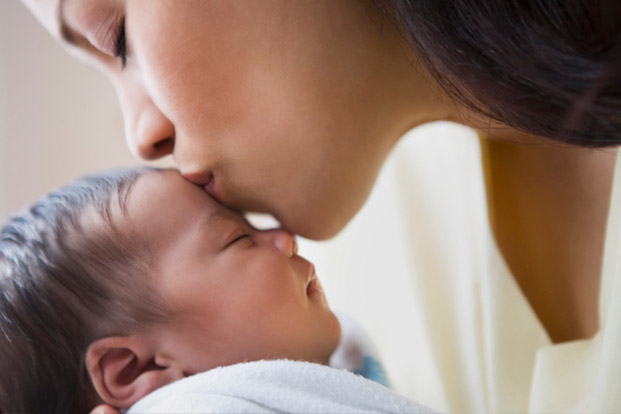
Do’s recommended to the mother for Breastfeeding:
Here are some useful tips that breast feeding mothers should follow
- Take small frequent meals – Eat regularly through the day and avoid long gaps. Prefer to eat small meals with healthy snacks instead of large meals at long gaps with no snacks.
- Breastfeeding needs extra calories – Breast feeding requires extra 500-600 calories per day which equals to a total of 2000 to 2500 calories per day. However, it is difficult to count calories and the best way is to follow point 1.
- Include protein foods: Try and include protein in your diet, 2-3 times per day such as lentils, fish, eggs, dairy, beans, nuts, and seeds.
- Eat vegetables including green and yellow vegetables every day.
- Eat two servings of fresh fruit every day.
- Include whole grains such as whole wheat bread (chapatti), rice, oats etc.
- Drink sufficient water to quench thirst.
- Add milk enhancing food items in your diet: There are culturally accepted galactagogues (foods that increase milk production eg- cumin seeds, sprouted fenugreek seeds etc). Add these items to your diet
- Do not self-medicate and consult your doctor before opting for any medication: If you are on any medications, always check with your doctor that it is safe to continue breast feeding while on those medications.
- Sleep well: Take rest and catch up on your sleep during the day. This reduces stress and increases milk production.
Dont’s recommended to the mother for Breastfeeding:
- Avoid long gaps between meals.
- Do not go on a crash diet to lose weight: Try and do that gradually over a period of time by eating healthy and doing regular exercise. The sudden drop in calories can adversely affect the milk supply.
- Avoid coffee and alcohol.
- Be clear about the food you eat: There are no food items that should be strictly avoided by breastfeeding mothers. However, if any food item causes loose stools in the baby then it is sensible to avoid that particular food for some time and see if this makes any difference.
- Avoid outside food.
Related Wellness Topic