


Health Library
Blogs
- All
- Cardiac Sciences
- Dermatology & Cosmetology
- Dietetics & Nutrition
- Endocrinology
- ENT, Neck & Head Surgery
- Gastro Sciences
- Internal Medicine
- Neuro Sciences
- Obstetrics & Gynaecology
- Onco Care
- Ophthalmology
- Orthopaedics
- Pulmonology
- Renal Sciences

Obstetrics & Gynaecology
| Post Date : Apr 25, 2026
Missing or delayed periods can feel stressful—especially when you’re unsure why it’s happening or how to fix it. If you’ve been searching for “how to get periods immediately” or “what to do if periods are late,” you’re not alone. Many women experience occasional delays due to lifestyle, hormonal changes, or underlying health conditions.
Continue Reading

Endocrinology
| Post Date : Apr 10, 2026
In today’s fast-paced lifestyle, chronic stress, poor sleep, and unhealthy habits are making cortisol hormone imbalance more common than ever.
Continue Reading

Obstetrics & Gynaecology
| Post Date : Jan 17, 2026
A delayed period can instantly trigger worry. Your mind may jump to pregnancy, hormonal problems, or something serious—even when the delay is just a few days. The truth is, menstrual delay is very common and often linked to everyday factors like stress, lifestyle changes, or minor hormonal shifts.
Continue Reading
Gastro Sciences
| Post Date : Jan 16, 2026
Stomach pain is something almost everyone experiences at some point in life. Sometimes it’s just mild discomfort after a heavy meal, and at other times it can be sharp, severe, or worrying. The challenge is that stomach pain (also called abdominal pain) can have many causes—some harmless, some that need medical attention.
Continue Reading
Gastro Sciences
| Post Date : Jan 07, 2026
Your liver works silently every day—digesting food, removing toxins, storing energy, and keeping your body balanced. But when something goes wrong, early signs are often missed. This is where a Liver Function Test (LFT) becomes extremely important.
Continue Reading
Gastro Sciences
| Post Date : Dec 31, 2025
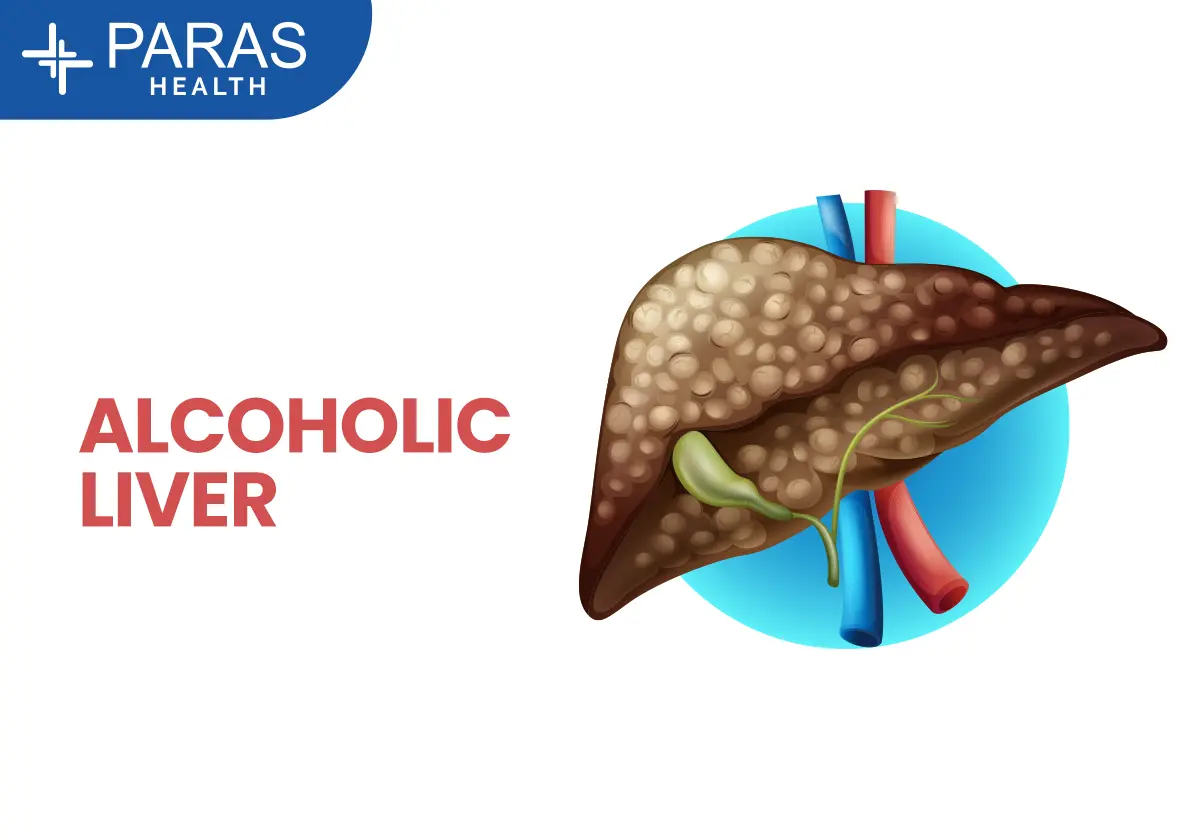
Alcohol is often part of celebrations, social gatherings, or stress relief. But what many people don’t realise is that every drink you take is processed by your liver. Over time, frequent or heavy drinking can silently damage this vital organ — sometimes without obvious warning signs.
Continue Reading