

Chat with us on WhatsApp

Exercise and Osteoporosis


Exercise and Osteoporosis
Book Appointment
in General

Apr 19, 2022

The best way to keep your bones healthy and away from osteoporosis is by doing regular exercise and even if you already have osteoporosis, safe and regular exercise can help maintain the bone mass. When you exercise, it builds and maintains the Bone Mass & Density.

There are three types of exercises for osteoporosis which are weight-bearing, providing resistance & flexibility. These three types of exercise include:
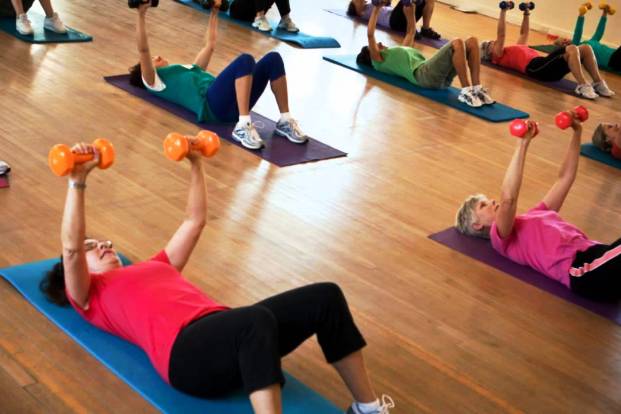
Helpful Exercise for Osteoporosis

  1. Weight-Bearing Exercise: Weight-bearing means your feet and legs support your body’s weight. A few examples of weight-bearing exercise for osteoporosis are walking, hiking, dancing and stair climbing. This exercise means weight bearing of the whole body on the legs.
  2. Resistance Exercises: This Resistance means you’re working against the weight of another object which helps with osteoporosis as it strengthens muscle and builds the bone. Studies have shown that resistance exercise increases bone density and reduces the risk of fractures.Resistance exercise for osteoporosis includes Free weights or weight machines at home or in the gym and Resistance tubing that comes in a variety of strengths.
  3. Flexibility Exercise: The Flexibility is another important form of exercise for osteoporosis. Having flexible joints helps prevent injury. Regular stretches, Yoga&T’ai chi are few examples.

Following points must be kept in mind if you have osteoporosis. One should speak to his or her doctor before starting any exercise related to bones:

  • Weight-bearing exercise must not have to be high impact. Speed Running, jogging and jumping may put stress on your spine and these lead to high impact pressure which can lead to stress fracture.
  • Be careful of exercises which involve bending and twisting at the waist. These motion can put you at risk of spine problems.


Book Appointment

Recent Blogs

Osteoarthritis (OA) is a condition that affects millions of people worldwide, making everyday tasks challenging and sometimes painful. If you've been struggling with stiff or achy joints, you're not alone.
Continue Reading
Knee replacement surgery, also known as knee arthroplasty, is a common procedure designed to relieve pain and restore function in severely diseased knee joints. The surgery involves replacing the damaged parts of the knee joint with artificial components, which can help patients regain mobility and improve their quality of life.
Continue Reading
Joint replacement surgery is a transformative procedure that can significantly improve the quality of life for individuals suffering from debilitating joint pain and dysfunction.
Continue Reading
Knee arthroscopy is a minimally invasive surgical procedure that allows orthopedic surgeons to visualize, diagnose, and treat a wide range of knee problems.
Continue Reading
Pain in the tailbone is a peculiar kind of issue that includes persistent pain in the lower part of the body. If the same is ignored for quite some time the same can lead to chronic complications and may also require surgery
Continue Reading
one loss, brittle bone area major issues that the older population faces. 65% of women post menopause are at risk of developing osteoporosis and suffering from fractures and joint pains. In fact, 1 in 5 people post the age of 55 is susceptible to suffer from a high-risk fracture.
Continue Reading
Creaking, ankles, knees and hips are not necessarily normal pains and aches that occur with age. The pain could be arthritis. Fortunately, medicines have a lot to provide from exercises and medications to alternative supplements and joint replacement
Continue Reading
Request A Call Back
Didn't Find What You Were Looking For

Get a call back from our Health Advisor