

Is Thalassemia Curable?


8 months old Prince was referred from Darbhanga district to Paras Hospital Patna with complains of restlessness, paleness and irritability. Preliminary investigations in a local nursing home highlighted severe anemia with jaundice and enlarged liver and spleen. The family had earlier also lost one child who had similar initial symptoms. Taking no risk with their second child, the family travelled for 4 hours from their home to consult a blood specialist – hematologist. At Paras Patna, the team of doctors diagnosed the child with beta thalassemia major, a rare blood disorder affecting mainly males of the family. Since he had come to a specialized centre , he was given the right and timely care, however the question is – How many do actually get diagnosed and treated?
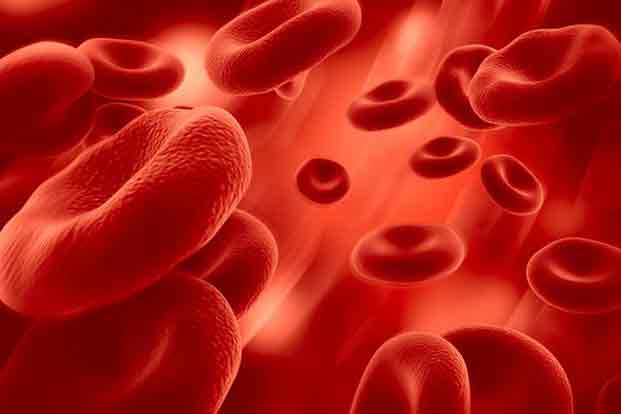
Know about Thalassemia:
Thalassemia is a genetic disorder of defective hemoglobin synthesis leading to anemia. It is of two types alpha and beta. Depending on the severity of the symptoms they are divided into 3 types.
- Thalassemia Minor or trait are usually asymptomatic and they are often diagnosed on CBC tests and confirmed by hemoglobin electrophoresis tests. They are characterized with mild anemia, jaundice and mild splenomegaly.
- Thalassemia Intermedia highlights having moderate severity. Patients with the same presents moderate anemia, jaundice and sometime massive splenomegaly. The patients may need blood transfusion every 3 to 4 months. They can have significant iron over load and multiorgan complications due to iron deposition.
- Thalassemia Major is a serious form of thalassemia where the child is dependent on blood transfusion since early childhood. They usually have severe iron overload because of blood transfusion and increased iron absorption from gut.
Treatment and Management of Thalassemia:
Treatment of thalassemia is with blood transfusion, iron chelation and stem cell transplantation. Stem cell transplantation is a curative option of thalassemia major and in early stage (less iron overload patients) 90 % chance of cure is there, while chances are less than 50% if significant iron overload is there. In stem cell transplantation stem cell is taken from bone marrow or peripheral blood of HLA matched siblings. In case of no HLA matched siblings, stem cells can be taken from parents, unrelated matched person or cord blood.
Thalassemia can be prevented from our society if we prevent marriage of two thalassemia minor or trait and by prenatal diagnosis during early part of pregnancy.