

Chat with us on WhatsApp

Know all about Parkinson’s Disease


Parkinsons
Book Appointment
in General

Apr 19, 2022

Parkinson’s disease is the most common adult-onset movement disorder. Genetic testing may tell you that you have an increased risk of developing Parkinson’s disease. It can also be defined as a neurological condition that includes the onset of tremors. Unfortunately, there is no definite cure for the disease and the same has to be managed by medications. Parkinson is the 2nd most common neurodegenerative disorder that causes a progressive deterioration of motor function due to a loss in dopamine-producing brain cells. Moreover, this condition can significantly cause a reduction in the movements.
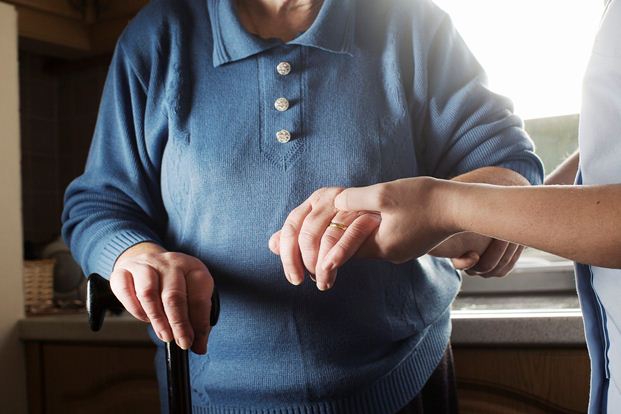
Parkinson ’s Disease:

  • Dopamine deficiency causes Parkinson’s features which include slow movement, the rigidity of the muscles, tremor, and gait problems.
  • Other features may include changes in the ability to smell, cognitive and psychiatric symptoms, sleep disorders, pain, and fatigue.
  • It is a chronic and progressive movement disorder.
  • About 1-2% of all people will develop Parkinson’s disease in their lifetimes.
  • The average age of onset for the most common type is age 60

Parkinson’s disease was previously thought to be caused mainly by environmental factors, but research now indicates that in most cases, the disease develops from a complicated interplay of genetics and environment.

Factors observed to increase or decrease Parkinson’s Disease risk include:

  • History of head trauma
  • Exposures to certain chemicals and infectious agents
  • Caffeine use
  • Exercise
  • Ethnicity
  • The family history of the disease
  • Genetic risk factors

How to manage Parkinson’s Disease (PD)?

Medicines- The mainstay of treatment of PD is medications. Various medications are available. These include levodopa/carbidopa combination (which provide direct dopamine to the brain); ropinirole & pramipexole (which increase the action of dopamine); trihexyphenidyl, amantadine, entacapone, etc. The choice of drug depends on the patient’s symptoms as well as the severity & duration of PD.

Your neurologist is the best person to decide the most appropriate medications and their doses.

Book Appointment

Recent Blogs

Imagine this—you’re in the middle of a conversation or just walking down the street, and suddenly, everything goes blank. Or maybe your body jerks uncontrollably for a few seconds, and you have no idea why. This is the reality for millions of people living with epilepsy, a neurological disorder that causes recurrent seizures.
Continue Reading
Alzheimer's disease and Parkinson's disease are both neurological disorders that affect millions of people worldwide. Despite sharing some similarities in terms of symptoms and impact on daily life, they are distinct conditions with unique characteristics.
Continue Reading
A stroke is the body’s way of letting us know that the blood supply to the brain is cut short. It is often called a Brain Attack. Awareness of such a possibility and acting fast can make a big difference for someone who’s having a stroke.
Continue Reading
A tremor is an involuntary, uncontrollable muscle contraction, which manifests as shaking in body parts, most commonly the hands. About 70 percent of Parkinson’s disease patients experience tremors in the early stages of the disease.
Continue Reading
Stroke happens when the blood supply to part of your brain is cut off. Blood involved  essential nutrients and oxygen to your brain. Without blood brain cells can be damaged or die.
Continue Reading
Autism can be defined as a neurological complication that affects the ability to communicate and interact. This ailment can be seen in more than 1 million cases in India. There is at present no treatment to cure the same however there are clinical methods to manage the same.
Continue Reading
Epilepsy is a fairly common chronic or neurological disorder that affects 65 million people around the world. Most people with epilepsy lead outwardly normal lives. The condition can and does affect daily life for people with epilepsy, their family, and their friends.
Continue Reading
Request A Call Back
Didn't Find What You Were Looking For

Get a call back from our Health Advisor