

Nutrition during Pregnancy


The gestation period is a rapid growth period which includes the growth of the fetus and other developments that take place to facilitate the maintenance of the fetus and its health throughout the pregnancy. During pregnancy, it is important for the child to get the right nutrition so that the fetal growth and development is proper. During pregnancy, the nutritional requirements of the woman also increase. The fertilized ovum attaches itself to the uterine wall and with help of the placenta, enables the developing fetus to respire, acquire nourishment and eliminate wastes. The exchange of nutrients and waste takes place in the placenta much as they do in the gastro intestinal tract. The oxygen and nutrients pass from the mother to the fetus through the placenta that nourishes the fetus and protects it too.
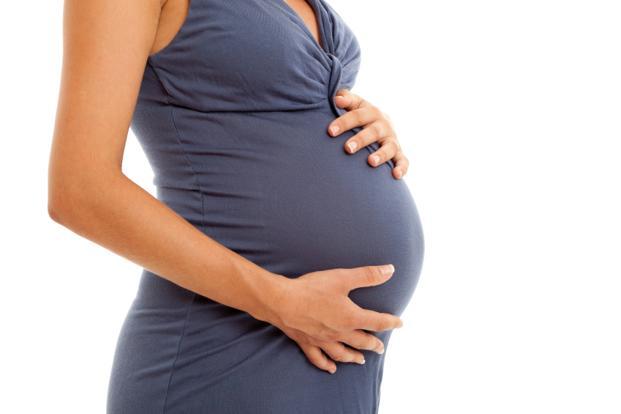
Why does a pregnant woman need more nutritional support?
Higher nutritional requirements of a pregnant woman can be attributed to
- Rapid growth of the fetus
- Development of the placenta
- Enlargement of the maternal tissue namely the breast and uterine tissues
- Increase in maternal circulating blood volume
- Formation of amniotic fluid storage reserve
- Mineralization of the skeleton and bone structure of the fetus as well as tooth buds
Special Requirements for the pregnant woman:
Protein requirement:
The requirement of protein in pregnancy increases by about 30% over the normal requirement. Hence if the normal requirement for an adult woman is 45 gms per day, then during pregnancy she would be required to take an additional 14 gms per day during the second and third trimester of pregnancy. The good sources of protein are milk, eggs, fish, soybean, chicken cheese pulses, whole grain legumes, and nuts.
Calorie requirement:
Calories should be sufficient to meet energy and nutrient demands and to spare protein for tissue building. We recommend an increase of about 300 calories in the second half of pregnancy.
Calcium requirement:
Increased calcium is required for growth and development of bones as well as for the growth of tooth buds in the growing fetus. More calcium is needed in the 3rdtrimester of pregnancy as rapid mineralization of the skeletal tissues takes place during the period. The sources of calcium are milk and milk products and legumes and green leafy veg.
Iron requirement:
A woman requires more than a man in any normal situation. She needs to maintain a daily intake 32 mg of iron through out her child bearing years.
Vitamin requirement:
All vitamins are required in additional quantities during the gestational period. Vitamin A requirement increases by about 25%. The good sources of vitamins are egg yolk, butter, dark green and yellow veg and yellow and red fruits. Vitamin C besides its normal function is involved in developing the connective tissue and vascular system as well as in the absorption of iron. It may be obtained by eating fresh fruits and drinking fresh fruit juices. The needs for calcium and phosphorus is increased hence the requirement of Vit D cannot be overlooked as it is involved in their absorption and utilization. Sunlight is another fair source of Vitamin D and the food sources for vitamin D also include butter, liver, egg yolk, fish liver oil.
Save