

Chat with us on WhatsApp

Prevention of Alzheimer’s disease


alzheimers
Book Appointment
in General

Apr 19, 2022

Alzheimer’s disease is complicated as it comprises many unknowns. The symptoms of it transform as per the stages. However, it is known that this condition worsens across time, however, treatment could assist in delaying the symptoms & improve the quality of life of a patient.If we doubt having Alzheimer’s we shall 1st consult a doctor. They can try to diagnose it and talk regarding what to expect & help connect us with services & support.
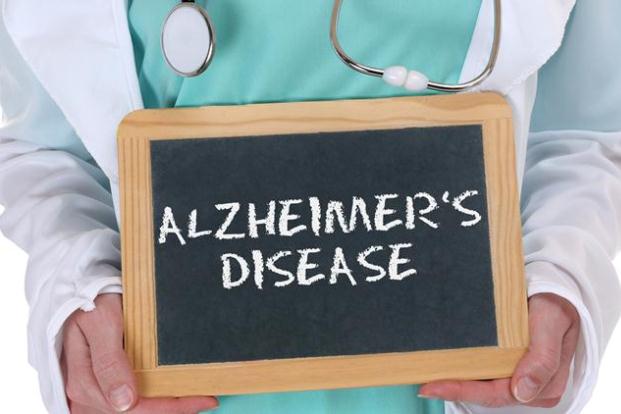
Prevention of Alzheimer’s Disease

Researches haven’t yet found a way of preventing Alzheimer’s. But there are some points which researches suggest could help. We can do the below to help curb the progress or possibly prevent this disease:-

  • Keep our mind active with puzzles, word games & memory games or keep trying other cognitive training exercises
  • Stay physically active and exercise regularly
  • Continue to learn new things. This is another avenue to keep our minds active
  • Stay socially active
  • Quit smoking
  • Consume more antioxidants
  • Treat high blood pressure
  • Get adequate sleep
  • Take a plant-based diet

Researchers currently are aiming at overall healthy lifestyle activities or habit as an avenue for preventing of cognitive decline

There isn’t a proof currently that any of them would prevent us from getting Alzheimer’s. But they all do promote good brain health & have many other advantages beyond helping to battle Alzheimer’s.

Treatments can curb the progression of Alzheimer’s disease. But we shall start early as the earlier we begin on them, the better our quality of life could be.

Researchers have been working to better comprehend Alzheimer’s disease and its effect on our brains. Once they understand it better, it would be easier to explore the treatments. Meanwhile, research on Alzheimer’s disease is 1 of the top forms of studies being done currently. New updates are being learned every day & new treatments are being researched. If we are diagnosed with Alzheimer’s, the best thing we could do is speak to a doctor & being the treatment as soon as possible

Book Appointment

Recent Blogs

Imagine this—you’re in the middle of a conversation or just walking down the street, and suddenly, everything goes blank. Or maybe your body jerks uncontrollably for a few seconds, and you have no idea why. This is the reality for millions of people living with epilepsy, a neurological disorder that causes recurrent seizures.
Continue Reading
Alzheimer's disease and Parkinson's disease are both neurological disorders that affect millions of people worldwide. Despite sharing some similarities in terms of symptoms and impact on daily life, they are distinct conditions with unique characteristics.
Continue Reading
A stroke is the body’s way of letting us know that the blood supply to the brain is cut short. It is often called a Brain Attack. Awareness of such a possibility and acting fast can make a big difference for someone who’s having a stroke.
Continue Reading
A tremor is an involuntary, uncontrollable muscle contraction, which manifests as shaking in body parts, most commonly the hands. About 70 percent of Parkinson’s disease patients experience tremors in the early stages of the disease.
Continue Reading
Stroke happens when the blood supply to part of your brain is cut off. Blood involved  essential nutrients and oxygen to your brain. Without blood brain cells can be damaged or die.
Continue Reading
Autism can be defined as a neurological complication that affects the ability to communicate and interact. This ailment can be seen in more than 1 million cases in India. There is at present no treatment to cure the same however there are clinical methods to manage the same.
Continue Reading
Epilepsy is a fairly common chronic or neurological disorder that affects 65 million people around the world. Most people with epilepsy lead outwardly normal lives. The condition can and does affect daily life for people with epilepsy, their family, and their friends.
Continue Reading
Request A Call Back
Didn't Find What You Were Looking For

Get a call back from our Health Advisor