

Chat with us on WhatsApp

Rheumatoid Arthritis and Pregnancy


Rheumatoid Arthritis During Pregnancy
Book Appointment
in Obstetrics & Gynaecology

Apr 19, 2022

Rheumatoid arthritis itself doesn’t seem to damage  the developing baby, even if RA is active during pregnancy. In fact that  70% to 80%  percent of women with RA have improvement of their symptoms during pregnancy. Although few  women with RA may have a slight risk of miscarriage or low-birth-weight babies, the huge  majority of women have normal pregnancies without complications. However many drugs for rheumatoid arthritis including methotrexate (Otrexup, Rheumatrex, Trexall) and leflunomide (Arava)  can cause birth defects.
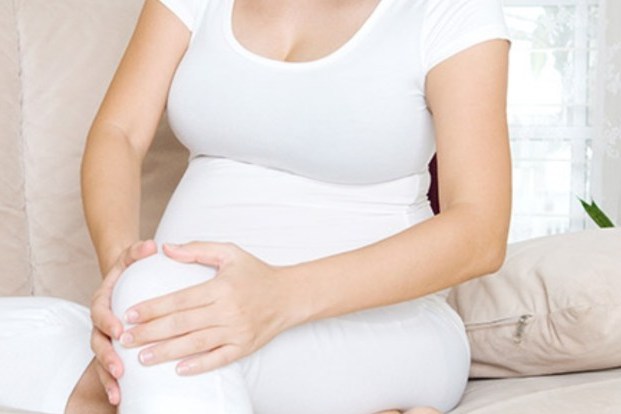
 

These equal  medications may also cause birth defects if they are taken by father before the mother conceives. Therefore, it’s important to communication  to your doctor about altering treatment several  months before you or your spouse try to get pregnant. If you’re pregnant or planning and thinking to be, you may wonder how having rheumatoid arthritis (RA) could affect your pregnancy. Here’s few  good news, Several  women with RA find that their symptoms go into remission during pregnancy. What’s more, RA doesn’t seem to affect your chances of getting or staying pregnant. When you have RA, it’s important not to get pregnant until you are ready. That means having your disease under the best possible control for at least three to six months before you try to conceive. Once they get pregnant, about half of women with RA  that in addition to the joys of impending motherhood, they have the bonus of reduced disease activity during their pregnancy. This is happens  pregnancy can trigger few term changes to your immune system.Unfortunately the other half continue to have active disease, which is why it’s critical to stay on all prescribed medication throughout your pregnancy and birth.

Book Appointment

Recent Blogs

Osteoarthritis (OA) is a condition that affects millions of people worldwide, making everyday tasks challenging and sometimes painful. If you've been struggling with stiff or achy joints, you're not alone.
Continue Reading
Knee replacement surgery, also known as knee arthroplasty, is a common procedure designed to relieve pain and restore function in severely diseased knee joints. The surgery involves replacing the damaged parts of the knee joint with artificial components, which can help patients regain mobility and improve their quality of life.
Continue Reading
Joint replacement surgery is a transformative procedure that can significantly improve the quality of life for individuals suffering from debilitating joint pain and dysfunction.
Continue Reading
Knee arthroscopy is a minimally invasive surgical procedure that allows orthopedic surgeons to visualize, diagnose, and treat a wide range of knee problems.
Continue Reading
Pain in the tailbone is a peculiar kind of issue that includes persistent pain in the lower part of the body. If the same is ignored for quite some time the same can lead to chronic complications and may also require surgery
Continue Reading
one loss, brittle bone area major issues that the older population faces. 65% of women post menopause are at risk of developing osteoporosis and suffering from fractures and joint pains. In fact, 1 in 5 people post the age of 55 is susceptible to suffer from a high-risk fracture.
Continue Reading
Creaking, ankles, knees and hips are not necessarily normal pains and aches that occur with age. The pain could be arthritis. Fortunately, medicines have a lot to provide from exercises and medications to alternative supplements and joint replacement
Continue Reading
Request A Call Back
Didn't Find What You Were Looking For

Get a call back from our Health Advisor