

Riding towards a collision? Be aware. -World Trauma Day


Majority of the people in the urban areas prefer to go to office in their own car or motor cycle. Fewer travel by public transport and the ones who do are dependent on buses, car pool or taxis. Thanks to the metro for connecting us well, but the same is still not as widely used as the road.
By 2050, India is estimated to have maximum number of automobiles in the world. Just as the number of cars and motorbikes are increasing, so is the number of accidents. By 2030, road accidents would cause more deaths than HIV/AIDS and TB. We are already recognized as the Road Accident Capital and the Head Injury Capital of the World.
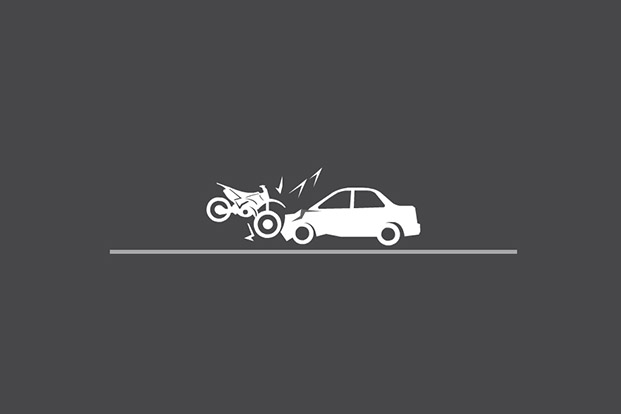
If you meet with an accident or suffer from a fall, you should definitely consult an orthpedician. Any soreness, muscle pull, ligament injury should not be ignored. The following are few of the orthopedic complications are occur in an accident:
- Broken and fractured bones – The most common injury type in a road accident. This is because of high speed impact. road accidents involve speed and force. Such type of patients need first diagnostic imaging (X- Ray), pain management and if required surgery. Physiotherapy and rehabilitation is important.
- Complex fractures of the hips and knees – This is due to skidding or pushes that you might sustain in an accident. Try not to pull out objects if they are sticking in your body.
- Back and neck/spinal injuries: Whiplash is one of the most common injuries in a car accident. The same causes pain in the neck, back, shoulders, headache and pin and needle like feeling in the legs and arms. These can be treated with pain management, fracture help and physiotherapy.
- Shoulder, elbow and wrist trauma – These are yet again common injuries caused due to a fall on an outstretched hand in an accident. Shoulder dislocation, bursitis, tendonitis are few of the complications. The patients may need an MRI, physiotherapy and if required surgery.
- Ankle fracture
- Vascular injury
However , if you ever witness an accident and are responsible to take care pf the victim the following are the steps you should follow:
- Look for ABC- airway, breathing and circulation: Make the accident victim lie on the side. check that the victim is breathing. in case of neck and spine injury do not move the patient much. do the log rolling movement(moving pelvis and shoulder keeping in one place while doing so).
- Check for limb injury : If the victim’s limb is injured, try to splint the limb using a firm or hard object like wooden plank or foot ruler. ambulances usually have thermal, air splinters.
- For open injuries use first aid: If you think that you can give preliminary support to the patient, clean the wounds and cover the same with the clean cloth.
- In case of Vascular Injuries: Please do not tie the area of the injury with a cloth . such unnecessary pressure causes venous occlusions and can further increase the blood loss. One can directly use the finger or use hand pressure to cover the injured vessel.
- Ask for expert help , immediately: Even before you start giving personalized first aid attention to the victim it is important that you ask for ambulatory help and assistance immediately.
It is important that we accept the fact than 50% of the risk can be reduced if we wear a helmet and drive with seatbelts. The entire responsibility of safety in on you alone, after all God helps those who help themselves. Obey traffic rules, follow street lights and do not over speed to remain safe. For emergency purposes save a ER number like 101 or 0124-4585666.
#BeManEnuf#WearYourProtection
Follow us on:
Facebook- #BeManEnuf
Twitter-#BeManEnuf