

Chat with us on WhatsApp

Why do we need iodine in the body?


Iodine Diet
Book Appointment
By Dr. in General

Apr 19, 2022

Iodine is a mineral found in few  foods. The body require  iodine to make thyroid hormones. These hormones control the body’s metabolism and many other important functions. The body also require  thyroid hormones for proper bone and brain development during pregnancy and infancy. The quantity  of iodine you need each day depends on your age. Getting enough iodine is important for everyone especially infants and women who are pregnant. The Institute of Medicine has set the suggested  Dietary Allowance (RDA) for iodine in adult men and women at 150 μg per day. People  who add tablet salt to their food regularly should use iodized salt. One teaspoon of iodized salt involved  approximately 400 μg iodine. The most researched  important role of iodine in the body is its importance in making thyroid hormones. These hormones control  all cell metabolism  helping to produce and use energy efficiently throughout the body. These hormones also help with brain and bone development in infancy.Approx  70%  percent of the iodine in the body is elaborate  throughout other tissues, focus  the salivary glands, brain and pancreas. Though the role of iodine in these other tissues is not as well known it is clear  that these tissues and organs cannot work as properly  if iodine deficient. Iodine is seen to play important  role in alertness and IQ levels, as well as regulating fluids in the body. Consuming several   iodine is unlikely to happen simply through dietary sources and is more likely to be a problem if taking iodine supplements without the guidance of a medical professional. Qantity  to 0.5mg of iodine each day is not likely to result in side-effects. However, regular high doses of iodine can cause a range of symptoms.
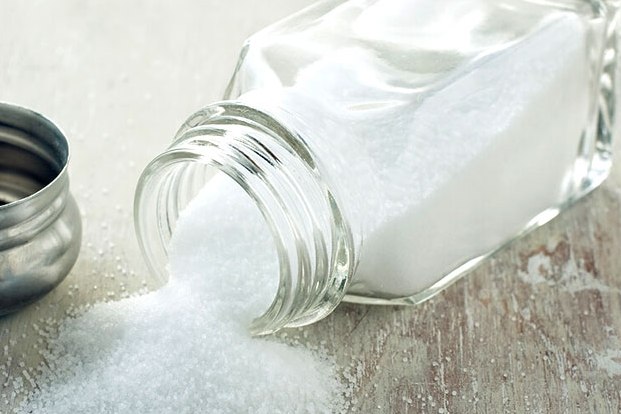
 

These are top iodine in the body are given below:-

Top iodine foods

Sea vegetables.
Yogurt.
Iodized salt.
Dairy milk.
Enriched bread.
Eggs.

Book Appointment

Recent Blogs

With all experts and government bodies warning civilians of signs and symptoms of Covid 19 3rd wave, its arrival is not a question of if rather than it is of when. With news channels reporting potential new symptoms of COVID 3rd wave, it can be confusing and stressful to understand how to keep yourself safe from Covid 3rd wave in India. 
Continue Reading
With COVID19 still spreading across India and the arrival of other flu diseases, viral infection and scrub typhus disease with the seasonal monsoon, we are all collectively prone to catching mystery viral fever symptoms.
Continue Reading
As the second wave of covid 19 in India recedes, it is important to educate oneself about new covid delta variant and progression in the virus as we begin to prepare ourselves for a possible third wave of covid in India. Out of the numerous new covid delta variant and delta plus variant are particularly crucial when considering the 3rd wave of covid variant in India. 
Continue Reading
f you are diabetic or know someone who has diabetes during COVID, the question how does covid-19 affect diabetes patients, must be at the top of your mind. A person who has COVID and diabetes, is said to have a comorbidity.
Continue Reading
Pandemic conditions are getting better in India, but experts are raising concerns over an even more harmful COVID 3rd wave in India. third wave of corona is inevitable, according to experts, and the symptoms of 3rd wave Covid, delta variant are likely to be worse than the symptoms of the first two waves of Covid. 
Continue Reading
Blood donation is a life saving noble cause which helps in treating multiple health problems. A person who gives blood during the time of emergency are applauded for their selfless act. 1 person donating blood can save the lives of 3 people.
Continue Reading
Malaria  is one of the oldest infections that  causes suffering amongst mankind.For several years cholorquin was the mainstay of treatment. However now for sometime the plasmodium bug which causes malaria has become resistant to this except in areas  where malaria prevalence is low.
Continue Reading
Request A Call Back
Didn't Find What You Were Looking For

Get a call back from our Health Advisor