HbA1c Range Level by Age: What Is Normal for Your Age Group?
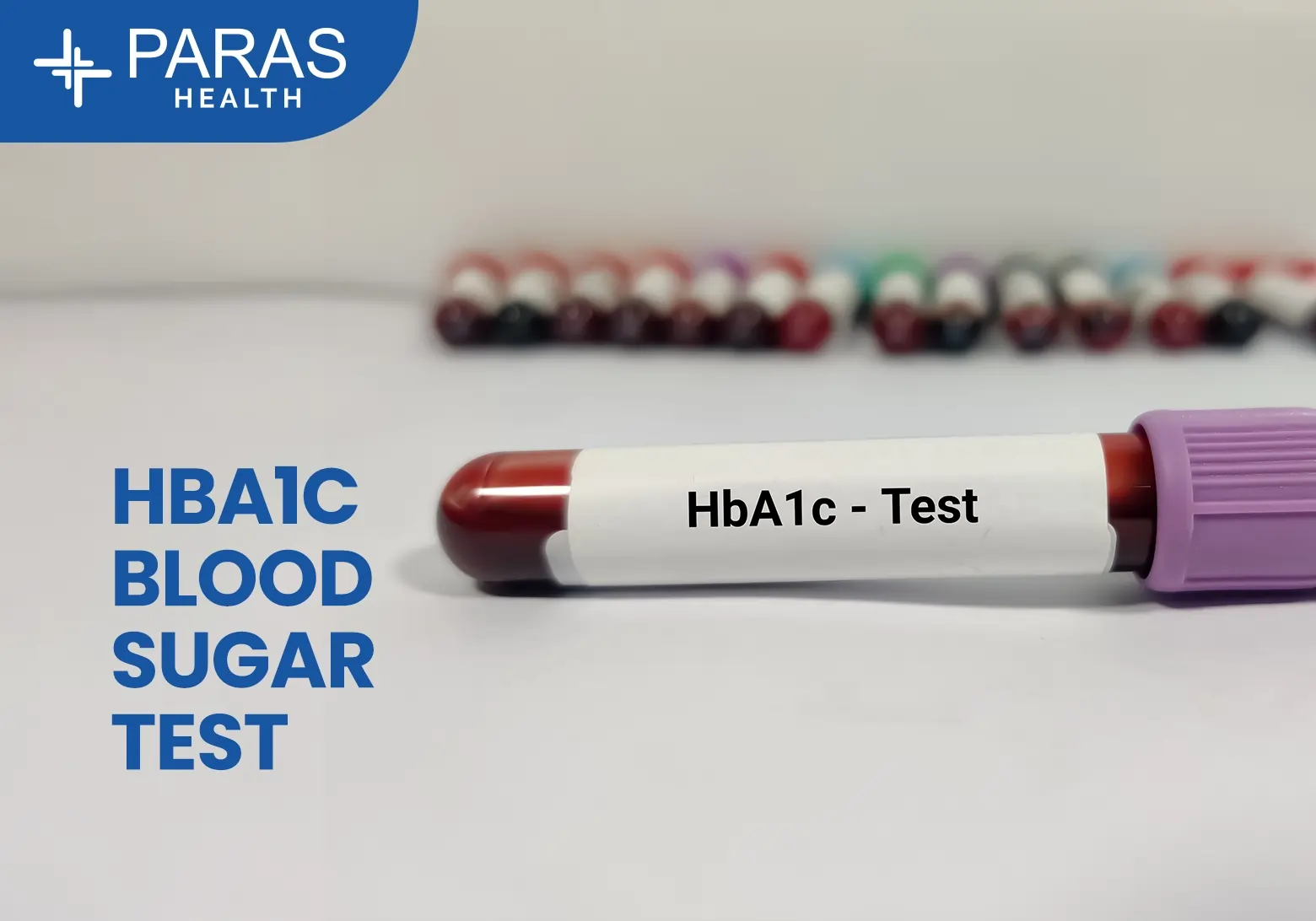
TABLE OF CONTENTS
- What Is HbA1c and Why Is It Important?
- Does HbA1c Change With Age?
- Normal HbA1c Range by Age: An Overview
- HbA1c Range in Children and Adolescents
- HbA1c Range in Adults
- HbA1c Range in Elderly / Senior Citizens
- HbA1c Range for Prediabetes by Age
- HbA1c Range for Diabetes by Age
- HbA1c Levels by Age and Gender
- What Is Considered High or Low HbA1c by Age?
- How to Read an HbA1c Report by Age
- How Often Should HbA1c Be Checked by Age?
- Key Facts About HbA1c Range by Age
- Conclusion
- FAQs

If you’ve ever looked at your blood test report and wondered, “Is my HbA1c normal for my age?”—you’re not alone. HbA1c is one of the most important tests for understanding long-term blood sugar control, but many people don’t realise that ideal HbA1c levels can vary by age.
A number that’s acceptable for an elderly person may not be ideal for a young adult or a child. That’s why understanding HbA1c range level by age is essential for better diabetes prevention, control, and long-term health.
In this guide, we’ll break everything down in easy language—what HbA1c is, why age matters, normal HbA1c values by age group, and when you should consult a doctor.
What Is HbA1c and Why Is It Important?
HbA1c (also called glycated haemoglobin) is a blood test that shows your average blood sugar levels over the past 2–3 months.
Unlike fasting or post-meal sugar tests, which show sugar at a single point in time, HbA1c gives a long-term picture of blood sugar control. This makes it extremely useful for:
- Diagnosing diabetes
- Identifying prediabetes
- Monitoring diabetes control
- Assessing future risk of complications
In simple terms, HbA1c tells how well your blood sugar has been managed over time.
Does HbA1c Change With Age?
Yes, HbA1c targets can change with age.
As we grow older:
- Metabolism slows down
- Insulin sensitivity reduces
- Other health conditions may appear
- Risk of low blood sugar (hypoglycaemia) increases
Because of this, doctors often recommend age-adjusted HbA1c targets, especially for elderly patients. Children, adults, and seniors do not always have the same ideal HbA1c goals.
Normal HbA1c Range by Age: An Overview
Before going age-wise, here’s a general understanding:
- Normal HbA1c (non-diabetic): Below 5.7%
- Prediabetes range: 5.7% to 6.4%
- Diabetes: 6.5% and above
However, the target HbA1c can differ depending on age, health status, and risk factors.
HbA1c Range in Children and Adolescents
HbA1c Range in Children
For children without diabetes:
- Normal HbA1c for kids: Below 5.7%
For children with diabetes, slightly higher targets may be accepted to reduce the risk of low blood sugar episodes.
Doctors closely monitor pediatric HbA1c because growing bodies are more sensitive to sugar fluctuations.
HbA1c Range in Adolescents and Teenagers
- HbA1c normal range for teenagers: Below 5.7% (non-diabetic)
- Hormonal changes during puberty can temporarily raise blood sugar levels
- Lifestyle, diet, and physical activity play a big role
Teenagers with diabetes may have personalised HbA1c targets based on growth and activity levels.
HbA1c Range in Adults
For most healthy adults:
- Normal HbA1c level for adults: Below 5.7%
- Ideal HbA1c for adults with diabetes: Usually below 7% (individualised)
Adults are often expected to maintain tighter blood sugar control compared to elderly patients, as the risk of long-term complications increases with prolonged high HbA1c.
HbA1c Range in Elderly / Senior Citizens
In older adults, HbA1c goals are adjusted to balance sugar control and safety.
- HbA1c range in elderly (general target): 7% to 8% may be acceptable
- Normal HbA1c for seniors (non-diabetic): Below 5.7%
Why higher targets may be allowed:
- Higher risk of low blood sugar
- Multiple medical conditions
- Reduced awareness of hypoglycaemia
Doctors focus on safe HbA1c levels by age, not just strict numbers.
HbA1c Range for Prediabetes by Age
Prediabetes is an early warning stage.
- HbA1c range for prediabetes by age: 5.7% – 6.4%
- Indicates higher risk of developing diabetes
Prediabetes can occur at any age. Early lifestyle changes—diet, exercise, weight management—can often bring HbA1c back to normal.
HbA1c Range for Diabetes by Age
- HbA1c range for diabetes: 6.5% and above
- Diabetes HbA1c targets by age depend on:
- Age
- Duration of diabetes
- Presence of complications
- Overall health
Younger adults usually have stricter targets, while elderly patients may have relaxed goals for safety.
HbA1c Levels by Age and Gender
In general:
- HbA1c values are similar for men and women
- Hormonal changes (pregnancy, menopause) can influence HbA1c in women
Doctors interpret HbA1c range by age for men and women along with clinical history, not in isolation.
What Is Considered High or Low HbA1c by Age?
High HbA1c Levels by Age
- Indicates poor blood sugar control
- Increases risk of heart disease, kidney damage, nerve problems, and eye issues
Low HbA1c Levels by Age
- May indicate frequent low blood sugar episodes
- Can be dangerous, especially in elderly patients
The goal is balanced HbA1c control, not just lower numbers.
How to Read an HbA1c Report by Age
When reading an HbA1c report, doctors consider:
- Your age
- Whether you have diabetes or prediabetes
- Duration of diabetes
- Other health conditions
That’s why HbA1c test normal range by age should always be interpreted by a doctor rather than self-judged.
Factors That Affect HbA1c Levels at Any Age
HbA1c can be influenced by:
- Diet and eating habits
- Physical activity
- Stress and illness
- Medications
- Sleep patterns
- Long-term blood sugar trends
Age is important—but lifestyle still plays a huge role at every stage of life.
What Should HbA1c Be at My Age?
There’s no single “perfect” number for everyone.
- What is a good HbA1c for my age?
It depends on your age, health, and diabetes status. - Ideal HbA1c by age is personalised, not one-size-fits-all
Always discuss your target HbA1c with your doctor.
How Often Should HbA1c Be Checked by Age?
General guidance:
- Children & adolescents: As advised by pediatrician
- Adults: Every 3–6 months if diabetic, once a year if normal
- Elderly: Based on health condition and treatment plan
Regular monitoring helps catch changes early.
Key Facts About HbA1c Range by Age
- HbA1c shows average blood sugar of 2–3 months
- Normal HbA1c is below 5.7% at any age
- Prediabetes starts at HbA1c 5.7%
- Diabetes is diagnosed at HbA1c 6.5% or higher
- HbA1c targets may be higher in elderly for safety
- Age-appropriate HbA1c control reduces complications
One HbA1c target does not fit everyone
Conclusion
Understanding HbA1c range level by age helps you manage blood sugar more safely and effectively. While general ranges are useful, the right HbA1c target is always personal.
Regular testing, healthy lifestyle habits, and medical guidance can help you maintain HbA1c levels that suit your age—and protect your long-term health.
If you’re unsure about your HbA1c report, consult a doctor rather than guessing. The right information at the right time makes all the difference.
FAQs
What should HbA1c be at my age?
HbA1c targets depend on your age, health condition, and diabetes status. Your doctor sets the safest range for you.
Does HbA1c increase naturally with age?
HbA1c can rise slightly with age due to reduced insulin sensitivity, but high levels are not normal and need attention.
What is normal HbA1c for adults?
For adults without diabetes, normal HbA1c is below 5.7%.
Is a higher HbA1c acceptable in elderly?
Yes, slightly higher HbA1c levels may be acceptable in elderly to avoid low blood sugar risks.
What is normal HbA1c for children?
Normal HbA1c for children without diabetes is below 5.7%.
Can HbA1c be normal but sugar fluctuate daily?
Yes, HbA1c shows average sugar, so daily ups and downs may still result in a normal HbA1c.
What HbA1c level indicates prediabetes?
HbA1c between 5.7% and 6.4% indicates prediabetes.
How often should HbA1c be tested?
People with diabetes should test every 3–6 months; others may test once a year.
Is low HbA1c always good?
Very low HbA1c can mean frequent low sugar episodes, which can be dangerous.
Should HbA1c targets be the same for everyone?
No. HbA1c goals should be personalised based on age and health condition.