

A ‘non-diet’ approach to healthy eating


The no-diet diet involves being thoughtful about food choices, not having to make complicated meal plans. It resolves around integrating three simple eating principles in day to day meals and snacks i.e. less sugar, less processed foods and more nutrient-dense foods. Anyone who has ever been on a diet knows that the standard prescription for weight loss is to reduce the amount of calories that consume. But a new study published in journal of the American Medical Association (JAMA) suggested that people who cut back on added sugar, refined grains and highly processed foods while concentrating on eating plenty of vegetables & fruits and whole foods without worrying about counting calories or limiting portion sizes- lost significant amounts of weight over the course of the year. The strategy worked for people whether they followed diet that were mostly low in fat, low in carbohydrates and their success did not appear to be influenced by their generics or their insulin response to carbohydrates. The research lends strong support that diet quality, not quantity is what helps people lose and manage their weight most easily in the long run.
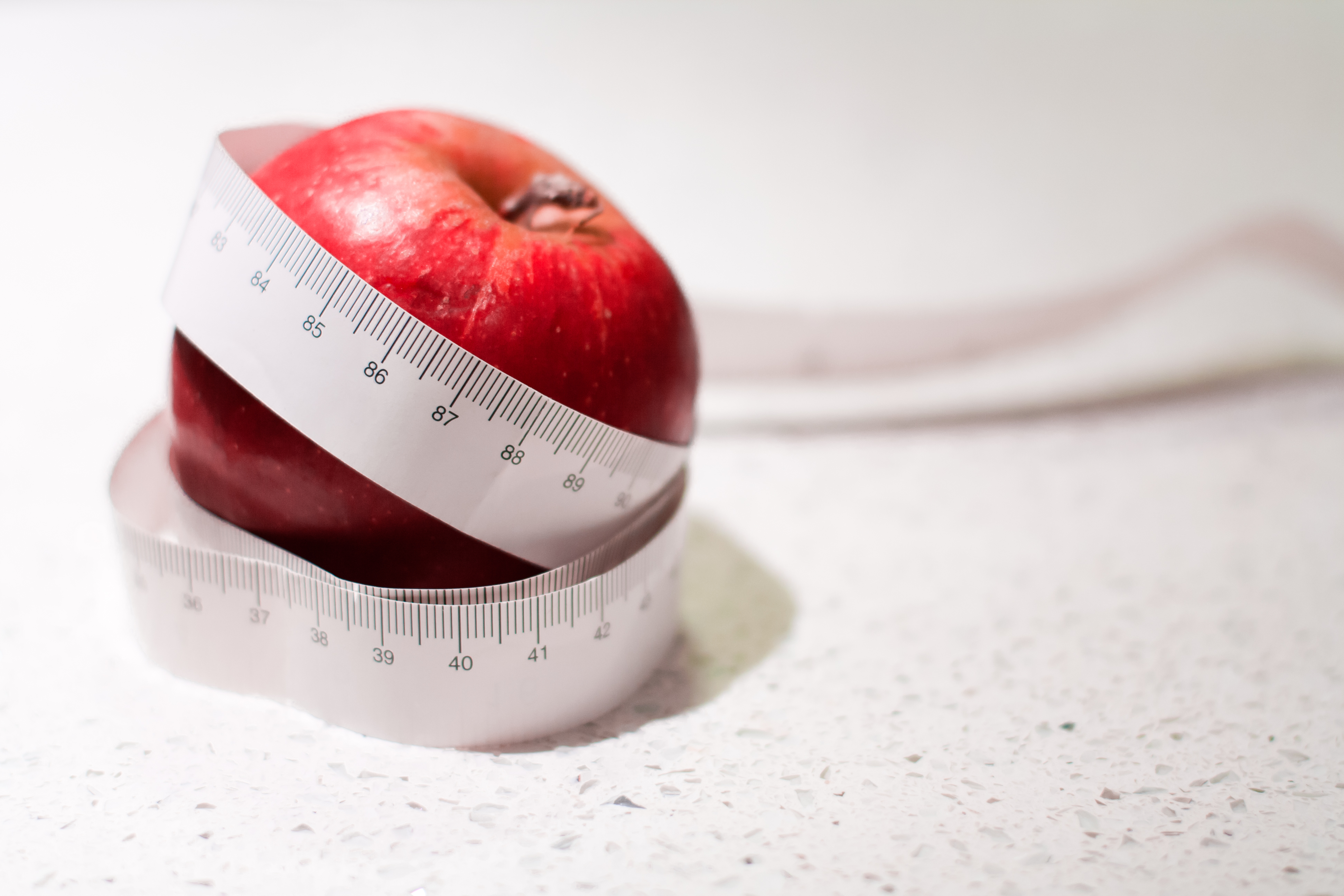
There are many ways to maintain body weight or weight loss. These are:
- Chewing food thoroughly makes to eat more slowly, which is associated with decreased food intake and increased fullness.
- A bigger plate can make a serving look smaller that causing to add more foods that increases calorie intake. Always use smaller plate and nutrient dense foods that helps to reduce calorie intake and give proper strength to the body.
- Protein has powerful effects on appetite. It can increase feeling of fullness, reduce hunger and help to eat less calorie.
- Eating fibre rich foods may increase satiety, helping to feel fuller for long time. Viscous fibres include glucomannan, beta-glucans, pectins, guar gum and psyllium (e.g. whole foods sources include legumes, asparagus, brussels sprouts, oat and flax seeds) are particularly helps for weight loss. It increases fullness and reduced food intake. Viscous fibre form a gel when it comes in contact with water. The gel increases nutrient absorption time and slows down the emptying of stomach.
- Drinking 300-400ml water about 30 minutes before meals reduced hunger and calorie intake.
- Those who are eating foods while watching television or playing games on mobile/computer may lose track of how much they have eaten. This in turn to cause over eating.
- A lack of sleep may disrupt the appetite regulating hormones (leptin, ghrelin and cortisol) that elevated due to stressed and increases hunger and cravings may cause increase calorie intake.
- Sugary drinks have been linked to an increased risk of weight gain and may more diseases. Soup, fruits juice (without sugar), green tea, green coffee, etc. can replace sugary drinks.