

Abnormal Uterine Bleeding: Causes, Symptoms & Treatment Guide
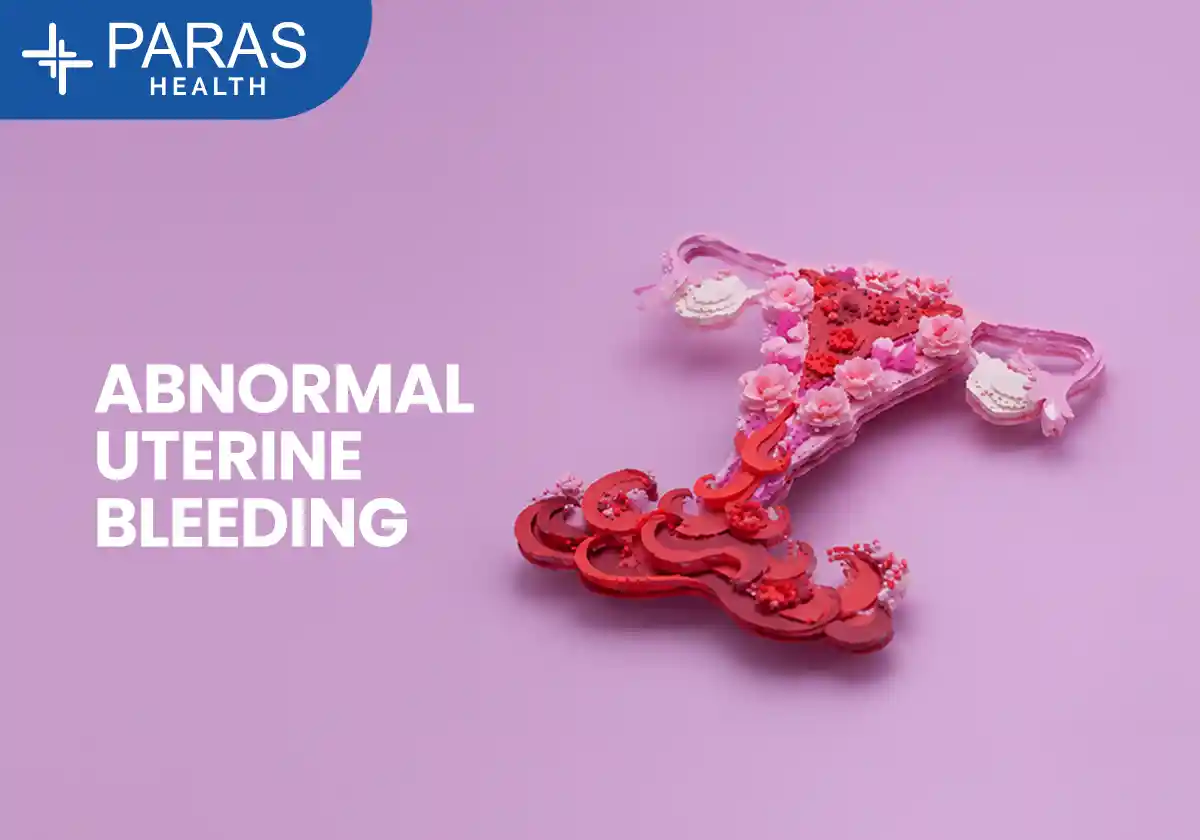
TABLE OF CONTENTS
- What Is Abnormal Uterine Bleeding?
- What Is Considered a Normal Menstrual Cycle?
- Common Causes of Abnormal Uterine Bleeding
- Symptoms of Abnormal Uterine Bleeding
- Who Is at Higher Risk?
- When Should You See a Gynecologist?
- How Is Abnormal Uterine Bleeding Diagnosed?
- Treatment Options for Abnormal Uterine Bleeding
- Can Abnormal Uterine Bleeding Affect Fertility?
- Lifestyle Tips to Support Menstrual Health
- Complications of Untreated Abnormal Uterine Bleeding
- Key Facts About Abnormal Uterine Bleeding
- Conclusion
- FAQs

Menstrual cycles are a natural part of a woman's reproductive health. While every woman experiences some variation in her periods, certain changes in bleeding patterns should not be ignored. If your periods are unusually heavy, last longer than usual, occur too frequently, or if you experience bleeding between periods, it could be a sign of Abnormal Uterine Bleeding (AUB).
Abnormal Uterine Bleeding is one of the most common reasons women visit a gynecologist. It can affect women of all ages—from adolescents and women in their reproductive years to those approaching menopause. Although the condition is often linked to hormonal fluctuations, it can also be caused by uterine fibroids, polyps, pregnancy-related issues, or, in some cases, more serious conditions.
Understanding the causes, symptoms, and available treatment options can help women seek timely care and maintain better reproductive health.
What Is Abnormal Uterine Bleeding?
Abnormal Uterine Bleeding refers to any bleeding from the uterus that differs from a woman's normal menstrual pattern. This may include:
- Heavy Menstrual Bleeding
- Bleeding between periods
- Frequent periods
- Infrequent periods
- Periods lasting longer than seven days
- Bleeding after menopause
- Spotting after sexual intercourse
In simple terms, if your menstrual bleeding pattern changes significantly or interferes with your daily life, it is worth discussing with a healthcare professional.
What Is Considered a Normal Menstrual Cycle?
A normal menstrual cycle usually occurs every 21 to 35 days and lasts between 2 to 7 days. The amount of bleeding varies from person to person.
However, bleeding may be considered abnormal if:
- You soak through a pad or tampon every hour.
- Your period lasts longer than seven days.
- You pass large blood clots regularly.
- You experience bleeding between periods.
- You have bleeding after menopause.
- Your periods become highly unpredictable.
Recognizing these signs early can help identify underlying causes before complications develop.
Common Causes of Abnormal Uterine Bleeding
There are several reasons why women may experience Abnormal Vaginal Bleeding. The causes generally fall into hormonal, structural, medical, and pregnancy-related categories.
1. Hormonal Imbalances
Hormones regulate the menstrual cycle. When hormones become imbalanced, the uterine lining may build up excessively or shed irregularly.
Common hormonal causes include:
- Polycystic Ovary Syndrome (PCOS)
- Thyroid disorders
- Perimenopause
- Ovulation disorders
- Estrogen and progesterone imbalance
Women with PCOS and Irregular Bleeding often experience unpredictable menstrual cycles due to irregular ovulation.
2. Uterine Fibroids
Uterine Fibroids and Heavy Bleeding are closely linked. Fibroids are non-cancerous growths that develop within the uterus and can lead to:
- Heavy periods
- Pelvic pressure
- Frequent urination
- Prolonged menstrual bleeding
Fibroids are among the most common causes of Heavy Menstrual Bleeding in women of reproductive age.
3. Endometrial Polyps
Polyps are small growths that develop in the uterine lining. They may cause:
- Spotting between periods
- Heavy menstrual bleeding
- Bleeding after menopause
Many women may not realize they have polyps until imaging tests are performed.
4. Adenomyosis
Adenomyosis occurs when the uterine lining grows into the muscular wall of the uterus.
Common symptoms include:
- Heavy periods
- Severe menstrual cramps
- Enlarged uterus
- Pelvic pain
5. Endometriosis
Women with Endometriosis and Abnormal Bleeding may experience:
- Painful periods
- Irregular bleeding
- Chronic pelvic pain
- Fertility issues
6. Pregnancy-Related Causes
Any bleeding during pregnancy should be evaluated promptly.
Possible causes include:
- Implantation bleeding
- Miscarriage
- Ectopic pregnancy
- Placental complications
7. Medical Conditions
Several health conditions can contribute to abnormal bleeding, including:
- Blood clotting disorders
- Liver disease
- Kidney disease
- Diabetes
- Obesity
8. Cancer and Precancerous Conditions
Although less common, abnormal bleeding can sometimes indicate:
- Endometrial cancer
- Cervical cancer
- Uterine cancer
This is particularly important for women experiencing Postmenopausal Bleeding, which should never be ignored.
Symptoms of Abnormal Uterine Bleeding
The symptoms can vary depending on the underlying cause.
Common signs include:
- Heavy Menstrual Flow
- Periods lasting more than seven days
- Bleeding between periods
- Frequent periods
- Large blood clots during menstruation
- Spotting after menopause
- Pelvic pain
- Fatigue due to blood loss
- Dizziness and weakness
Women experiencing these symptoms should seek medical evaluation rather than assuming the problem will resolve on its own.
Who Is at Higher Risk?
Certain factors can increase the likelihood of developing Menstrual Disorders and abnormal bleeding.
Risk factors include:
- Obesity
- PCOS
- Thyroid disorders
- Perimenopause
- Family history of gynecological conditions
- Hormonal imbalances
- Certain medications
When Should You See a Gynecologist?
Consult a gynecologist if:
- Your periods are unusually heavy.
- You bleed between menstrual cycles.
- Your periods last longer than a week.
- You experience bleeding after menopause.
- You feel fatigued or dizzy due to blood loss.
- You have severe pelvic pain.
Early diagnosis can prevent complications and improve treatment outcomes.
How Is Abnormal Uterine Bleeding Diagnosed?
Diagnosing Abnormal Uterine Bleeding begins with a detailed medical history and physical examination.
Your doctor may recommend:
Blood Tests
These help evaluate:
- Anemia
- Hormone levels
- Thyroid function
- Clotting disorders
Pelvic Ultrasound
An ultrasound can detect:
- Fibroids
- Polyps
- Ovarian cysts
- Uterine abnormalities
Hysteroscopy
A hysteroscopy allows doctors to examine the inside of the uterus using a thin camera.
Endometrial Biopsy
This procedure involves collecting a small tissue sample from the uterine lining to rule out cancer or precancerous changes.
Treatment Options for Abnormal Uterine Bleeding
Treatment depends on the underlying cause, age, reproductive goals, and severity of symptoms.
Non-Surgical Treatments
Many women can be treated successfully without surgery.
Options include:
Hormonal Medications
- Birth control pills
- Progesterone therapy
- Hormonal intrauterine devices (IUDs)
These treatments help regulate menstrual cycles and reduce bleeding.
Non-Hormonal Medications
- Iron supplements
- Anti-inflammatory medicines
- Medications that reduce menstrual blood loss
Minimally Invasive Procedures
Hysteroscopy
Used to remove polyps and treat abnormalities inside the uterus.
Endometrial Ablation
This procedure destroys the uterine lining to reduce or stop heavy bleeding in selected patients.
Surgical Treatments
Myomectomy
Removes fibroids while preserving the uterus.
Hysterectomy
In severe cases where other treatments fail, surgical removal of the uterus may be recommended.
Minimally Invasive Gynecological Surgery
Advanced laparoscopic and robotic-assisted procedures can offer faster recovery and reduced discomfort.
Can Abnormal Uterine Bleeding Affect Fertility?
Yes. Certain causes of AUB can interfere with ovulation and implantation, making it more difficult to conceive.
Conditions such as:
- PCOS
- Fibroids
- Endometriosis
- Hormonal imbalances may impact fertility
The good news is that many women can successfully conceive after receiving appropriate treatment.
Lifestyle Tips to Support Menstrual Health
While medical treatment is often necessary, healthy lifestyle habits can also help support reproductive health.
Eat Iron-Rich Foods
Heavy bleeding can increase the risk of anemia. Include:
- Green leafy vegetables
- Beans
- Lentils
- Lean proteins
Stay Active
Regular exercise supports hormonal balance and weight management.
Maintain a Healthy Weight
Excess body weight can contribute to hormonal imbalances and irregular periods.
Manage Stress
Chronic stress can affect hormone levels and menstrual regularity.
Schedule Regular Gynecological Check-Ups
Routine evaluations help detect problems early and support long-term women's health.
Complications of Untreated Abnormal Uterine Bleeding
Ignoring persistent bleeding may lead to:
- Iron deficiency anemia
- Chronic fatigue
- Reduced quality of life
- Fertility issues
- Progression of underlying medical conditions
Timely treatment can help prevent these complications.
Key Facts About Abnormal Uterine Bleeding
- Abnormal Uterine Bleeding is one of the most common gynecological concerns worldwide.
- Heavy periods are not always a normal part of aging.
- Fibroids and hormonal imbalances are common causes.
- Bleeding after menopause should always be evaluated.
- Many treatment options do not require surgery.
- Untreated heavy bleeding can lead to anemia.
- Early diagnosis often improves treatment outcomes.
- Most causes of AUB can be effectively managed with expert care.
Conclusion
Abnormal Uterine Bleeding is more than just an inconvenience—it can be a sign that something in the body needs attention. Whether the cause is a hormonal imbalance, fibroids, polyps, pregnancy-related issues, or another underlying condition, early evaluation can make a significant difference.
If you are experiencing Heavy Menstrual Bleeding, Irregular Periods, Bleeding Between Periods, or Postmenopausal Bleeding, don't ignore the symptoms. Seeking timely medical advice can help identify the cause, prevent complications, and ensure the right treatment plan for your individual needs. Prioritizing your menstrual health is an important step toward maintaining overall well-being and reproductive health.
FAQs
What is abnormal uterine bleeding?
Abnormal uterine bleeding refers to bleeding that differs from a woman's usual menstrual pattern, including heavy, prolonged, irregular, or intermenstrual bleeding.
What causes bleeding between periods?
Bleeding between periods may occur due to hormonal imbalances, polyps, fibroids, infections, pregnancy-related conditions, or certain medications.
Is heavy menstrual bleeding normal?
Occasional variations can occur, but consistently heavy bleeding that affects daily activities should be evaluated by a gynecologist.
Can PCOS cause abnormal uterine bleeding?
Yes. PCOS commonly affects ovulation, leading to irregular periods and abnormal bleeding patterns.
When should I worry about heavy periods?
You should seek medical attention if you soak through a pad every hour, pass large clots frequently, or experience symptoms of anemia.
What tests are used to diagnose abnormal uterine bleeding?
Common tests include blood work, pelvic ultrasound, hysteroscopy, and endometrial biopsy depending on the suspected cause.
Can fibroids cause excessive bleeding?
Yes. Uterine fibroids are one of the leading causes of heavy menstrual bleeding and prolonged periods.
Is abnormal uterine bleeding a sign of cancer?
Most cases are not cancer-related, but bleeding after menopause or persistent abnormal bleeding should always be investigated.
How is abnormal uterine bleeding treated?
Treatment may involve medications, hormonal therapy, minimally invasive procedures, or surgery depending on the cause.
Can abnormal uterine bleeding affect fertility?
Yes. Certain causes such as PCOS, fibroids, and endometriosis can affect fertility, but treatment often improves reproductive outcomes.




.webp)