

Does diet play a part in the development of Heart Disease?


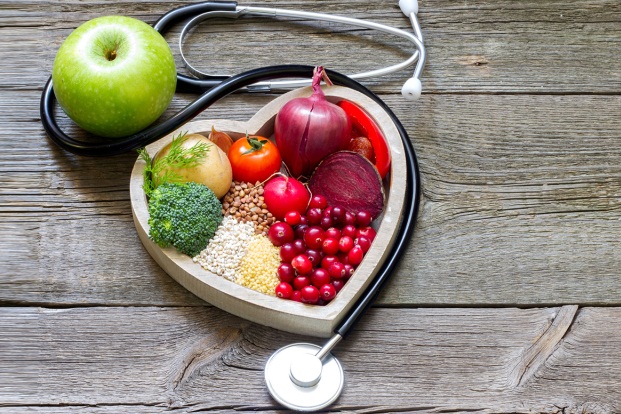
Diet plays a vital role in coronary heart disease. Food relevant risk factor comprises of high blood pressure, obesity, uncontrolled diabetes and taking diet with highly saturated fat. Low saturated fat, high plant food, high fiber diet substantially reduces the risk of a heart disease. We need to be attentive towards our diet and must consider it as a vital preventive measure for coronary heart disease.
495803382
Risk factors for Heart disease
Several factors are linked to the creation of fatty deposits within coronary arteries such as cigarette smoking, family history of this disease and lack of physical activities. The common risk factors that need special attention are:
Type of consumed fat: Saturated &trans fat raises the blood cholesterol & risk of heart attack. Polyunsaturated & monounsaturated fats reduce the risk of heart attack.
Obesity: Many obese and overweight people take high-fat diets, mainly saturated fat. People carrying the bulk of body fat around stomach are at higher risk of suffering from a heart disease than somebody whose body fat settles across their hips, thighs and bottom.
Hypertension: The amount of pressure in arteries or blood vessels carrying blood across our body is known as blood pressure. Hypertension refers to higher pressure within arteries than normal. This could be due to arteries being less elastic, increased volume of blood, or increased blood being pumped out of our heart
Dietary fats and cholesterol levels: Cholesterol refers to fat which is vital for several metabolic functions and is very important part of ours body’s all cell membranes. Cholesterol is created in our liver through the food we consume.
Lipids & Plaque Formation: Fats or blood lipids containing cholesterol comprise of LDL or low-density lipoprotein and HDL or High-density lipoprotein. LDL cholesterol causes plaque forming in arteries. HDL cholesterol assists our body in removing cholesterol from our body and hardens it for plaque to form within arteries.
Trans Fats & your Heart: Trans fats and saturated fat in our diet tend to raise the LDL cholesterol in the blood. Saturated fats like animal products i.e. meat fat, butter, beef lamb, full cream dairy edibles and chicken skin along with processed food such as biscuits and pastries are common sources of the saturated fats.Tras fatty acids also naturally occur in some meats, dairy products, and butter. Trans fats raise the LDL cholesterol. Trans fats and saturated fat like elaidic acid are formed when the monounsaturated or the polyunsaturated vegetable oil is hydrogenated & hardened to form the margarine. This mainly applies to harder vegetable fat and shortening that is used by food sector in products like biscuits and cakes.
Save