

Blood Clots: Early Warning Signs You Should Never Ignore
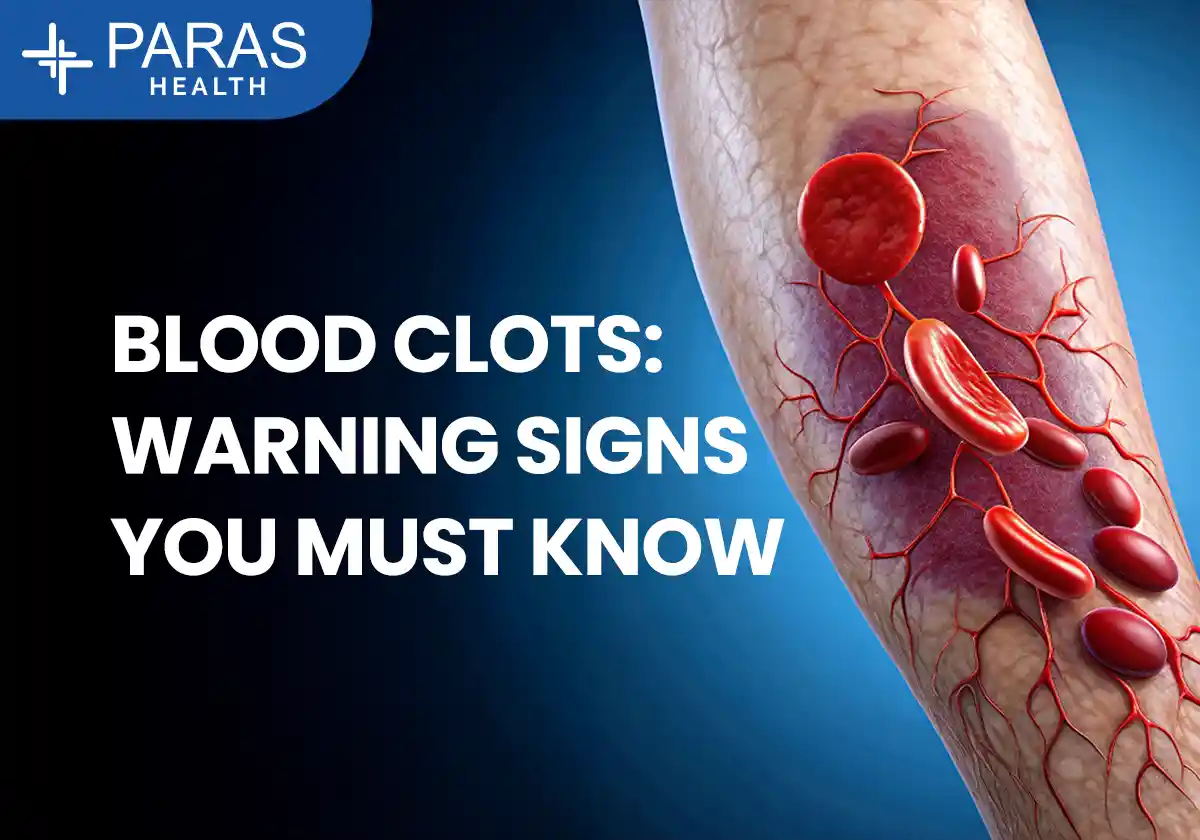
TABLE OF CONTENTS
- What Are Blood Clots?
- Why Do Blood Clots Form?
- Early Warning Signs of Blood Clots You Should Never Ignore
- Where Can Blood Clots Occur?
- Blood Clot or Muscle Pain: How Can You Tell the Difference?
- When Should You Go to the Hospital Immediately?
- Can Blood Clots Be Prevented?
- Key Facts About Blood Clots
- Conclusion
- FAQs

A sudden pain in your calf after a long journey, swelling in one leg, or unexpected shortness of breath may seem like minor problems. In many cases, they are. But sometimes, these symptoms can be the first warning signs of blood clots, a condition that can quickly become life-threatening if left untreated.
The good news is that recognizing blood clot symptoms early and seeking timely medical attention can prevent serious complications such as Deep Vein Thrombosis (DVT), Pulmonary Embolism (PE), stroke, or even permanent organ damage. In this guide, we'll explain what blood clots are, why they happen, the warning signs you should never ignore, and how you can lower your risk.
What Are Blood Clots?
A blood clot is a thickened mass of blood that forms when blood changes from a liquid to a gel-like state. Normally, blood clotting is the body's natural way of stopping bleeding after an injury. However, when a clot forms inside a healthy blood vessel without a good reason, it can block blood flow and become dangerous.
There are two main types of blood clots:
- Venous blood clots, which form in veins. The most common example is Deep Vein Thrombosis (DVT), usually affecting the legs.
- Arterial blood clots, which develop in arteries and may lead to heart attacks or strokes.
If part of a clot breaks off and travels to the lungs, it can cause a Pulmonary Embolism (PE)—a medical emergency that requires immediate treatment.
Why Do Blood Clots Form?
Several factors can increase the likelihood of developing blood clots. Some people have a single risk factor, while others may have several.
Common causes and blood clot risk factors include:
- Long periods of sitting during flights or road trips
- Bed rest or prolonged hospitalization
- Recent surgery, especially orthopaedic procedures
- Pregnancy and the weeks after childbirth
- Cancer and certain cancer treatments
- Smoking
- Obesity
- Birth control pills or hormone replacement therapy
- Increasing age
- Family history of clotting disorders
- Chronic illnesses such as heart disease or inflammatory conditions
Personal Health Insight
If you've recently had surgery, travel frequently, are pregnant, or have a family history of blood clots, your risk may be higher. Discussing preventive measures with your doctor can help reduce the chances of developing a clot.
Early Warning Signs of Blood Clots You Should Never Ignore
Recognizing blood clot warning signs early can save your life. The symptoms depend on where the clot forms.
1. Swelling in One Leg or Arm
One of the earliest signs of Deep Vein Thrombosis (DVT) is swelling in one leg, especially around the calf or thigh. Unlike general swelling, it usually affects only one side and may appear suddenly.
2. Persistent Leg Pain or Cramping
A blood clot often causes pain that feels similar to a muscle cramp. However, the discomfort typically doesn't improve with rest or stretching and may worsen while walking.
3. Warmth and Redness
The affected area may feel warmer than the surrounding skin and appear red or slightly bluish. This happens because blood flow is being disrupted.
4. Sudden Shortness of Breath
If a clot travels to the lungs, you may experience sudden breathlessness, rapid breathing, or difficulty taking deep breaths. This could indicate a Pulmonary Embolism, which requires emergency medical care.
5. Chest Pain
Sharp chest pain, especially when breathing deeply, should never be ignored. It may occur alongside shortness of breath or coughing.
6. Rapid Heartbeat or Feeling Faint
Your heart may beat faster as it tries to compensate for reduced oxygen levels. Some people also experience dizziness or feel like they might faint.
7. Coughing Up Blood
Although less common, coughing up blood can occur with a Pulmonary Embolism and needs immediate medical evaluation.
8. Sudden Weakness, Vision Changes, or Difficulty Speaking
When blood clots affect the brain, they can cause stroke symptoms such as weakness on one side, slurred speech, confusion, or sudden vision loss. Immediate treatment is critical.
Where Can Blood Clots Occur?
Blood Clot in the Leg (DVT)
Usually causes swelling, pain, redness, and warmth. It is the most common type of venous clot.
Blood Clot in the Lungs (Pulmonary Embolism)
May cause sudden breathlessness, chest pain, rapid heartbeat, and coughing blood.
Blood Clot in the Brain
Can lead to a stroke with symptoms like facial drooping, arm weakness, and speech difficulties.
Blood Clot in the Heart
Can block blood supply to the heart muscle and trigger a heart attack.
Blood Clot in the Abdomen
May cause severe abdominal pain, nausea, vomiting, or digestive problems.
Blood Clot or Muscle Pain: How Can You Tell the Difference?
Many people mistake a blood clot for a muscle strain.
|
Muscle Pain |
Blood Clot |
|
Usually improves with rest |
Often worsens over time |
|
Often affects both sides after exercise |
Usually affects one limb |
|
Rarely causes swelling |
Swelling is common |
|
Stretching often helps |
Stretching usually doesn't help |
|
Doesn't cause breathing problems |
May lead to chest pain or shortness of breath |
If symptoms are unusual, persistent, or accompanied by swelling, don't assume it's just a pulled muscle.
When Should You Go to the Hospital Immediately?
Seek emergency medical attention if you experience:
- Sudden chest pain
- Unexpected shortness of breath
- Swelling in one leg
- Severe calf pain with redness
- Coughing up blood
- Sudden weakness or numbness
- Difficulty speaking
- Loss of consciousness
These symptoms may indicate a serious complication such as Pulmonary Embolism or stroke.
How Are Blood Clots Diagnosed?
Doctors combine your symptoms, medical history, and diagnostic tests to confirm the presence of a clot.
Common investigations include:
- Physical examination
- D-Dimer blood test
- Doppler Ultrasound for leg veins
- CT Pulmonary Angiography for lung clots
- MRI or CT scans in selected cases
- Additional blood tests when inherited clotting disorders are suspected
Early diagnosis significantly improves treatment outcomes.
Blood Clot Treatment Options
Treatment depends on the size and location of the clot and your overall health.
Options may include:
- Blood thinners (Anticoagulants): Prevent existing clots from growing and reduce the risk of new ones.
- Clot-dissolving medicines (Thrombolytics): Used in selected emergencies.
- Catheter-directed procedures: Deliver medication directly to the clot.
- Mechanical thrombectomy: Removes certain clots using specialized devices.
- IVC Filter: Recommended for selected patients who cannot take blood thinners.
- Surgery in rare or complex cases.
Your doctor will decide the most appropriate treatment based on your condition.
Can Blood Clots Be Prevented?
Many blood clots are preventable with simple lifestyle measures.
You can reduce your risk by:
- Walking every hour during long journeys.
- Staying physically active.
- Drinking enough water.
- Maintaining a healthy weight.
- Quitting smoking.
- Wearing compression stockings if advised.
- Taking prescribed blood thinners exactly as directed.
- Following rehabilitation instructions after surgery.
- Managing diabetes, blood pressure, and cholesterol.
Small daily habits can make a significant difference in protecting your vascular health.
Key Facts About Blood Clots
- Blood clots can become life-threatening if they travel to the lungs or brain.
- Deep Vein Thrombosis (DVT) most commonly develops in the legs.
- One-sided leg swelling should never be ignored.
- Long periods of immobility significantly increase the risk.
- Early diagnosis greatly improves treatment success.
- Many people recover completely with prompt treatment.
- Prevention is often easier than treatment.
- Never stop prescribed blood thinners without medical advice.
Conclusion
Blood clots are a serious yet treatable medical condition. Recognizing early warning signs such as one-sided leg swelling, persistent calf pain, sudden shortness of breath, chest pain, or coughing up blood can make a life-saving difference. The earlier a clot is diagnosed, the better the chances of preventing complications like Deep Vein Thrombosis (DVT), Pulmonary Embolism, stroke, or heart attack.
If you notice symptoms that concern you or have several blood clot risk factors, don't ignore them or wait for them to disappear. Prompt medical evaluation, timely treatment, and healthy lifestyle choices are the best ways to protect yourself and your loved ones from the serious consequences of blood clots.
FAQs
What are the first signs of a blood clot?
The earliest blood clot symptoms often include swelling, pain, warmth, and redness in one leg. If the clot reaches the lungs, sudden breathlessness and chest pain may occur.
Can a blood clot go away on its own?
Some small clots may resolve naturally, but waiting is risky. Always seek medical evaluation because untreated clots can become life-threatening.
What does a blood clot feel like?
Many people describe it as persistent cramping, tightness, or aching in one leg. Unlike muscle pain, it usually doesn't improve with stretching.
Is every swollen leg caused by a blood clot?
No. Swelling can result from many conditions. However, sudden one-sided swelling with pain or redness should be assessed promptly.
Can young adults develop blood clots?
Yes. Although the risk increases with age, young adults can develop blood clots, especially after surgery, injury, pregnancy, or due to inherited clotting disorders.
How dangerous is Deep Vein Thrombosis (DVT)?
Deep Vein Thrombosis (DVT) becomes dangerous if the clot travels to the lungs, causing a Pulmonary Embolism, which is a medical emergency.
How long does blood clot treatment last?
Treatment varies depending on the cause and location of the clot. Many people require blood thinners for several months, while some may need longer treatment.
Which doctor should I consult for blood clot symptoms?
You should seek immediate medical care through an emergency department if symptoms are severe. Depending on the cause, your care may involve specialists in vascular medicine, cardiology, hematology, or internal medicine.
Can walking help if I have a blood clot?
Walking is often encouraged after treatment begins for DVT, but it should only be done according to your doctor's advice. Avoid self-managing without medical guidance.
How can I reduce my risk of blood clots?
Stay active, avoid sitting for long periods, maintain a healthy weight, stay hydrated, quit smoking, and follow your doctor's advice after surgery or during pregnancy.


.png)