
Heat Rash (Prickly Heat): Causes, Symptoms, Treatment & Prevention in Summer
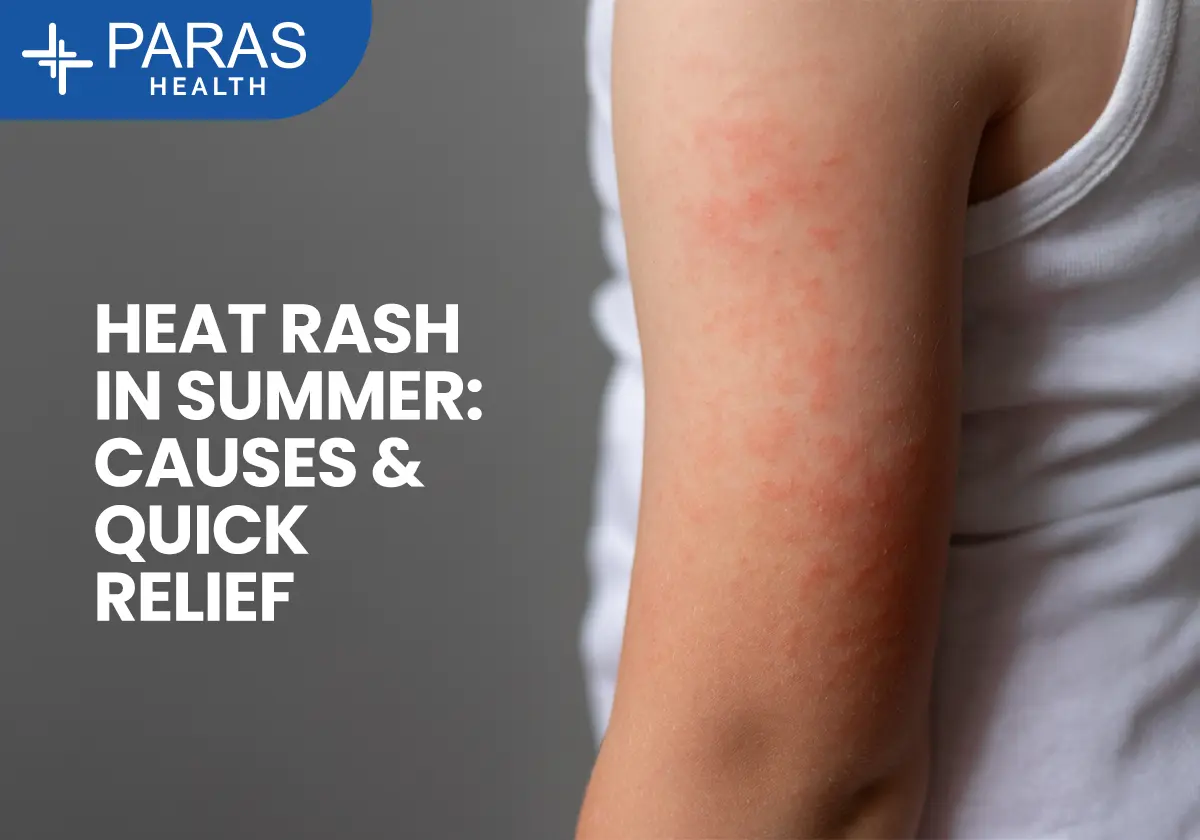
TABLE OF CONTENTS
- What is Heat Rash (Prickly Heat)?
- What Causes Heat Rash?
- Common Symptoms of Heat Rash
- Heat Rash in Babies vs Adults
- Home Remedies for Heat Rash (Prickly Heat)
- Medical Treatment for Heat Rash
- How Long Does Heat Rash Last?
- How to Prevent Heat Rash in Summer
- When to See a Doctor?
- Key Facts About Heat Rash
- Conclusion
- FAQs

When summer hits, skin problems are not far behind. One of the most common issues people experience in hot and humid weather is heat rash, also known as prickly heat or miliaria. If you’ve ever felt small itchy bumps, burning skin, or irritation after sweating a lot, chances are you’ve had a heat rash.
The good news? It’s usually harmless and treatable. But ignoring it can make things uncomfortable.
In this detailed guide, we’ll walk you through heat rash causes, symptoms, home remedies, treatment options, and prevention tips—all in simple, easy-to-understand language.
What is Heat Rash (Prickly Heat)?
Heat rash happens when your sweat gets trapped under the skin due to blocked sweat glands. Instead of evaporating, the sweat irritates the skin and causes a rash.
This condition is very common in:
- Hot and humid climates
- People who sweat heavily
- Babies (due to sensitive skin)
Types of Heat Rash:
- Miliaria Crystallina – Mild form, small clear blisters
- Miliaria Rubra (Prickly Heat) – Most common, red itchy bumps
- Miliaria Profunda – Rare but deeper and more serious
What Causes Heat Rash?
Heat rash is mainly caused by excessive sweating and blocked sweat ducts. Here are the most common triggers:
- Hot and humid weather
- Excessive sweating (especially during workouts)
- Tight or non-breathable clothing
- Poor air circulation
- Prolonged bed rest
- Using heavy creams or oils that block pores
In simple terms, when your body can’t cool itself properly, sweat builds up and leads to skin irritation.
Common Symptoms of Heat Rash
Heat rash can look different depending on its type, but here are the most common symptoms:
- Small red bumps or blisters
- Itchy skin rash, especially in summer
- Prickling or burning sensation
- Mild swelling or redness
- Skin irritation in areas like:
- Neck
- Back
- Chest
- Under breasts
- Inner thighs
The itching can sometimes feel intense, especially in humid conditions.
Heat Rash in Babies vs Adults
In Babies:
- Very common due to delicate skin
- Appears on face, neck, and diaper area
- Often caused by overdressing or warm environments
In Adults:
- Usually affects areas with heavy sweating
- Common in people who exercise or work outdoors
- Can appear on back, chest, and skin folds
Babies are more sensitive, so extra care is needed to keep them cool and dry.
Home Remedies for Heat Rash (Prickly Heat)
The first step in treating heat rash is to cool your skin and reduce sweating. Here are some simple and effective home remedies:
1. Keep Your Skin Cool & Dry
Stay in a cool environment and avoid excessive sweating.
2. Wear Loose Cotton Clothes
Choose breathable fabrics to prevent sweat buildup.
3. Use Cold Compress
Apply a cool, damp cloth to soothe irritation.
4. Apply Calamine Lotion
Helps reduce itching and redness.
5. Aloe Vera Gel
Natural cooling agent that calms irritated skin.
6. Stay Hydrated
Drinking enough water helps regulate body temperature.
7. Avoid Heavy Creams
They can block pores and worsen the rash.
These remedies work well for mild cases and can help you get rid of heat rash fast.
Medical Treatment for Heat Rash
If home remedies don’t help, you may need medical treatment:
- Anti-itch creams or lotions
- Mild steroid creams (in severe cases)
- Antibiotics (if infection develops)
- Medicated powders for prickly heat
Always consult a doctor before using medicated creams, especially for babies.
How Long Does Heat Rash Last?
- Mild cases: 2–3 days
- Moderate cases: Up to 1 week
- Severe cases: May last longer and require treatment
With proper care, most heat rashes go away quickly.
How to Prevent Heat Rash in Summer
Prevention is always better than cure, especially in hot weather.
Follow these tips:
- Wear loose, breathable clothing
- Avoid staying in hot environments for long
- Take frequent cool showers
- Keep your skin dry
- Use fans or air conditioning
- Avoid heavy creams and oils
Simple lifestyle changes can significantly reduce the risk of heat rash.
When to See a Doctor?
Most heat rashes are harmless, but you should consult a doctor if:
- Rash lasts more than 5–7 days
- Severe itching or pain
- Signs of infection (pus, swelling)
- Fever along with rash
- Rash keeps coming back
A dermatologist can help identify if it’s heat rash or another skin condition.
Key Facts About Heat Rash
- Heat rash is not contagious
- It is very common in Indian summers
- Caused by blocked sweat glands
- More common in babies and people who sweat heavily
- Can be easily managed with basic skin care
Conclusion
Heat rash is one of the most common summer skin problems—but it doesn’t have to ruin your comfort. With the right care, simple remedies, and a few lifestyle changes, you can easily manage and prevent it.
FAQs
What is the fastest way to cure heat rash?
Keeping the skin cool, dry, and applying calamine lotion can help reduce symptoms quickly. Avoid sweating and wear loose clothes.
Can heat rash go away on its own?
Yes, mild heat rash usually clears within a few days if you stay in a cool environment and avoid sweating.
Which cream is best for heat rash?
Calamine lotion is commonly used. In some cases, doctors may recommend medicated creams.
Is prickly heat dangerous?
No, it’s usually harmless. But severe cases or infections may need medical attention.
How do I stop itching from heat rash?
Use cooling remedies like aloe vera or calamine lotion and avoid scratching the skin.
Can babies get heat rash easily?
Yes, babies are more prone due to sensitive skin and immature sweat glands.
Does sweating cause skin rash?
Excessive sweating can block pores and lead to heat rash, especially in hot weather.
Can I use powder for heat rash?
Yes, medicated powders can help keep the skin dry and reduce irritation.
How do I prevent heat rash in summer?
Wear breathable clothes, stay cool, maintain hygiene, and avoid excessive sweating.
When should I worry about heat rash?
If the rash doesn’t improve in a week or shows signs of infection, consult a doctor.