
Chat with us on WhatsApp

Pneumonia can be a life-threatening infection


Pneumonia can be a life-threatening infection
Book Appointment
By Dr. Parminder Bir Singh in Pulmonology

Apr 19, 2022

Bacterial pneumonia is basically  more serious as it causes more severe symptoms. However, viralpneumonia caused by the flu virus can be lifethreatening if it triggers particularly a severe inflammation of the lungs or is complicated by a secondary bacterial infection. Pneumonia is a lung infection that can cause mild to severe illness in people of all ages. It is the main cause of death due to infection in children younger than 5 years of age worldwide. Pneumonia is also a common complication of influenza.

Several cases of bacterial pneumonia can be effectively treated with penicillin. Severe pneumonia can kill victims within hours as they literally drown in the fluids flooding their lungs. This lung infection can be lifethreatening if symptoms aren’t diagnosed  early. Older people can also be prone to swallowing problemissue , making them susceptible to aspiration pneumonia, caused when food, saliva, or liquids are inhaled into the lungs. There are several  different kinds of pneumonia, ranging from mild to severe. There are 4 basic types:

  1. Community-acquired pneumonia (CAP), the most important  type of pneumonia it  is caused by bacteria, viruses, and other organisms that are acquired external  of the hospital or other health care settings.
  2. Hospital-acquired pneumonia (HAP) create  at least 48 hours after someone has been admitted to the hospital. It can be caused by bacteria and other organisms that are basically  different from CAP. HAP is basically more severe  than CAP because the bacteria and organisms can be harder to treat, and because people who get HAP are already sick.
  3. Aspiration pneumonia occurs when liquids or other irritants are inhaled into the lungs. It is  most common type of aspiration pneumonia is caused by inhaling stomach contents after vomiting. People with medical issue such as  stroke, ALS that affect swallowing are at an increased risk of this type of pneumonia.
  4. Opportunistic pneumonia occurs in people with weakened immune system (Such as people with AIDS, cancer, organ transplant).


Parminder Bir Singh
Dr. Parminder Bir Singh
Senior Consultant - PULMONOLOGY
Meet The Doctor
Book Appointment

Recent Blogs

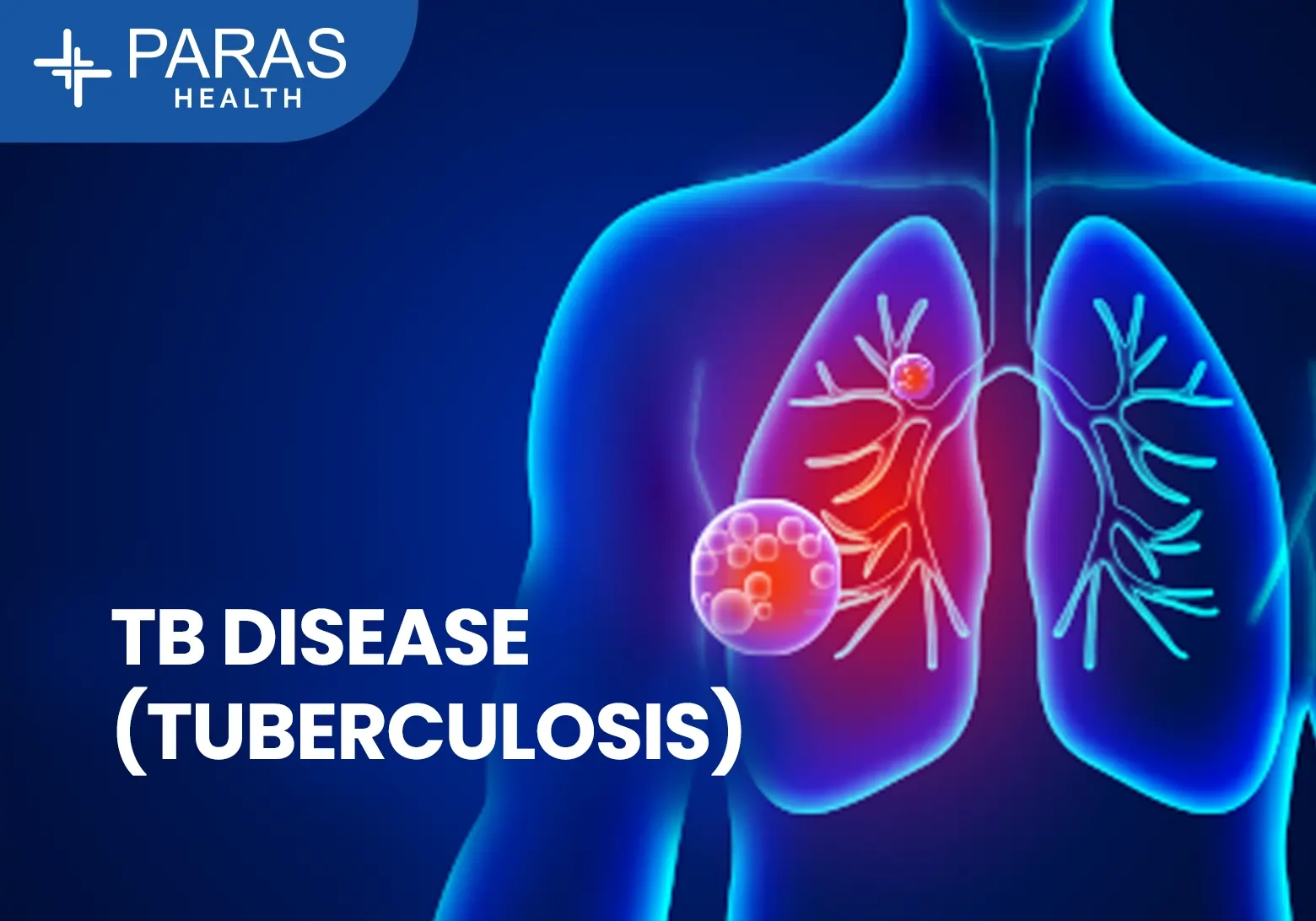
Tuberculosis, commonly known as TB, is one of the oldest and most common infectious diseases in the world. In India, it still affects lakhs of people every year. The good news? TB is curable — if detected early and treated properly.
Continue Reading
Asthma is one of the most common chronic respiratory conditions, affecting both children and adults. If you or someone in your family struggles with wheezing, breathlessness, coughing at night, or chest tightness, this guide will help you understand asthma better — from symptoms and triggers to treatment and long-term prevention.
Continue Reading
A dry cough may sound simple, but anyone who has experienced it knows how irritating and exhausting it can be. Unlike a wet cough that brings up mucus, a dry cough is a tickly, scratchy, non-productive cough, where nothing comes out — only constant irritation.
Continue Reading
Pollution is the introduction of harmful substances into our environment that disrupt the balance of nature and cause harm to human health, animals, plants, and the planet itself.
Continue Reading
When someone sneezes or coughs in a crowded room, tiny particles float in the air. Some of these particles may contain germs that can make others sick. These types of illnesses are called airborne diseases. They spread when infectious agents travel through the air in droplets or dust, and they can affect anyone, anywhere.
Continue Reading
A cough that lasts a few days is generally harmless, often linked to a minor cold or irritation. However, when a cough persists for more than two to three weeks, doctors identify it as a persistent cough.
Continue Reading
When we hear about respiratory illnesses, names like flu, cold, COVID-19, or RSV often come up. But there’s another virus you should know about: HMPV (Human Metapneumovirus).
Continue Reading
Request A Call Back
Didn't Find What You Were Looking For

Get a call back from our Health Advisor