
Prediabetes – Meaning, Symptoms & Prevention
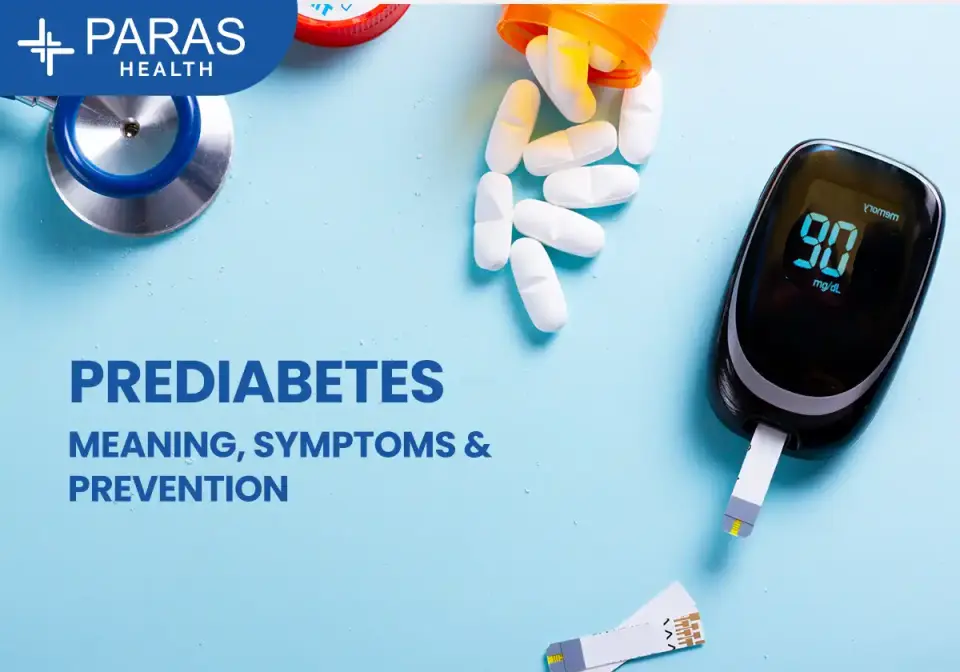
TABLE OF CONTENTS
- What Is Prediabetes?
- Prediabetes Blood Sugar Levels
- What Causes Prediabetes?
- Symptoms of Prediabetes
- Who Is at Risk of Prediabetes?
- Can Prediabetes Be Reversed?
- How to Prevent Prediabetes
- What Happens If Prediabetes Is Not Treated?
- Prediabetes in India – Why Is It Increasing?
- Key Facts About Prediabetes
- Conclusion
- FAQs

Have you recently been told that your blood sugar levels are slightly high, but not high enough to be called diabetes? If yes, you may have prediabetes.
Hearing this word can feel confusing or even scary. But here’s the good news: prediabetes is reversible in most cases. With the right lifestyle changes, you can prevent it from turning into type 2 diabetes.
In this detailed guide, we’ll explain:
- What is prediabetes?
- What are the symptoms of prediabetes?
- What causes prediabetes?
- What are normal vs prediabetic blood sugar levels?
- How to prevent prediabetes naturally?
- Can prediabetes be reversed?
Let’s understand everything step by step in simple.
What Is Prediabetes?
Prediabetes is a health condition where your blood sugar levels are higher than normal, but not high enough to be diagnosed as type 2 diabetes.
Think of it as a warning stage.
Your body is starting to struggle with insulin — the hormone that helps move sugar from your blood into your cells for energy.
If not controlled, prediabetes can gradually progress to type 2 diabetes, heart disease, and other complications.
Prediabetes Blood Sugar Levels
Doctors diagnose prediabetes using simple blood tests.
Here are the standard ranges:
|
Test |
Normal |
Prediabetes |
Diabetes |
|
Fasting Blood Sugar |
Below 100 mg/dL |
100–125 mg/dL |
126 mg/dL or higher |
|
HbA1c |
Below 5.7% |
5.7%–6.4% |
6.5% or higher |
|
OGTT (2-hour) |
Below 140 mg/dL |
140–199 mg/dL |
200 mg/dL or higher |
If your reports fall in the prediabetic range, it means your body needs attention now.
What Causes Prediabetes?
Prediabetes mainly happens due to insulin resistance.
What is insulin resistance?
Insulin is a hormone that helps control blood sugar. In insulin resistance:
- Your body produces insulin
- But your cells don’t respond properly to it
- Sugar builds up in the blood
Common causes of prediabetes:
- Overweight or obesity
- Belly fat (abdominal obesity)
- Sedentary lifestyle (less physical activity)
- Unhealthy diet (high sugar & processed food)
- Family history of diabetes
- PCOS in women
- High blood pressure
- High cholesterol
Modern lifestyle is one of the biggest reasons for the rising number of prediabetes cases.
Symptoms of Prediabetes
One of the biggest challenges is that prediabetes often has no clear symptoms.
Many people feel completely normal.
However, some subtle signs may include:
- Increased thirst
- Frequent urination
- Feeling more tired than usual
- Slightly blurred vision
- Slow wound healing
- Dark patches on neck or underarms (Acanthosis Nigricans)
But remember, most people discover prediabetes only through routine blood tests.
That’s why regular health checkups are important, especially if you are above 30 years or have risk factors.
Who Is at Risk of Prediabetes?
You may be at higher risk if:
- You are above 35 years
- You are overweight
- You have a family history of diabetes
- You have high blood pressure
- You had gestational diabetes during pregnancy
- You have PCOS
- You are physically inactive
In India, diabetes is increasing rapidly, so screening is very important.
Can Prediabetes Be Reversed?
Yes - and this is the most encouraging part.
Unlike diabetes, prediabetes can often be reversed with lifestyle changes.
Studies show that losing even 5–7% of body weight can significantly reduce the risk of developing type 2 diabetes.
For example:
If you weigh 80 kg, losing just 4–5 kg can make a big difference.
How to Prevent Prediabetes?
1. Maintain a Healthy Weight
Even small weight loss improves insulin sensitivity.
Focus on:
- Reducing belly fat
- Avoiding crash diets
- Gradual sustainable changes
2. Follow a Balanced Diet
A diabetes-friendly diet includes:
✔ Whole grains
✔ Green vegetables
✔ Fruits in moderation
✔ Protein-rich foods
✔ Healthy fats
Avoid:
✘ Sugary drinks
✘ White bread & refined flour
✘ Excess sweets
✘ Processed snacks
Tip: Replace white rice with brown rice or millets.
3. Exercise Regularly
Physical activity helps your body use insulin better.
Aim for:
- 30 minutes brisk walking daily
- 5 days a week
- Strength training twice weekly
Even simple activities like climbing stairs or evening walks help.
4. Reduce Sugar Intake
Hidden sugars are everywhere — in packaged juices, sauces, biscuits.
Always read labels.
Cutting down sugar can significantly improve blood sugar levels.
5. Sleep Well
Poor sleep increases insulin resistance.
Aim for:
- 7–8 hours of quality sleep
- Fixed sleep schedule
6. Manage Stress
Stress hormones increase blood sugar.
Try:
- Meditation
- Yoga
- Deep breathing
- Digital detox
7. Regular Health Checkups
Monitor:
- Fasting blood sugar
- HbA1c
- Lipid profile
- Blood pressure
Early detection prevents complications.
What Happens If Prediabetes Is Not Treated?
If ignored, prediabetes may lead to:
- Type 2 diabetes
- Heart disease
- Stroke
- Kidney disease
- Nerve damage
The transition may take 5–10 years — but sometimes even faster.
Prevention is always easier than treatment.
Prediabetes in India – Why Is It Increasing?
India is known as the “diabetes capital” of the world.
Reasons include:
- High-carb diet
- Sedentary lifestyle
- Urban stress
- Genetic risk
- Lack of early screening
Many people in their 30s and even 20s are now being diagnosed with prediabetes.
Key Facts About Prediabetes
- Prediabetes affects millions of adults worldwide.
- Most people don’t know they have it.
- It can be reversed with lifestyle changes.
- Losing 5–7% body weight reduces diabetes risk significantly.
- Regular exercise improves insulin sensitivity.
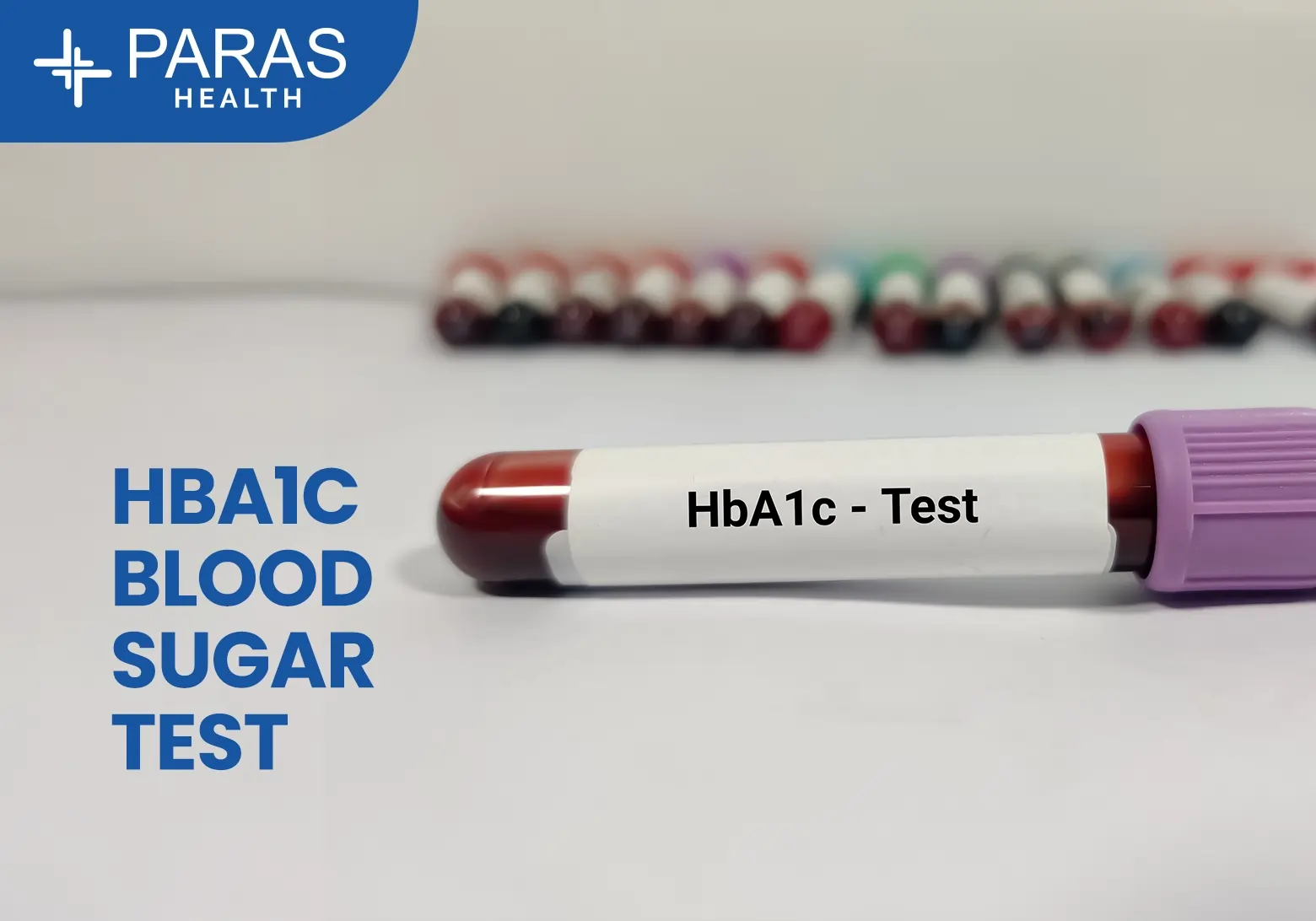
- HbA1c test helps diagnose prediabetes.
- Family history increases risk.
- Early action prevents long-term complications.
Conclusion
Prediabetes is not a disease — it’s a warning.
Your body is asking for attention.
The good news is that you have time. With the right lifestyle changes, regular monitoring, and awareness, you can stop prediabetes from turning into diabetes.
If you have risk factors or family history, consider getting your blood sugar tested.
Because when it comes to blood sugar, early action makes all the difference.
FAQs
What is prediabetes in simple words?
Prediabetes means your blood sugar is higher than normal but not high enough to be diabetes. It is an early warning stage.
Can prediabetes go away?
Yes, with weight loss, healthy diet, and exercise, prediabetes can often be reversed.
What is the normal HbA1c level for prediabetes?
An HbA1c between 5.7% and 6.4% indicates prediabetes.
Does prediabetes have symptoms?
Most people have no symptoms. Some may notice increased thirst, fatigue, or dark skin patches.
How long does it take for prediabetes to become diabetes?
It can take 5–10 years, but it varies depending on lifestyle and genetics.
Is prediabetes dangerous?
If untreated, it can lead to type 2 diabetes and heart disease.
What foods should I avoid in prediabetes?
Avoid sugary drinks, sweets, white flour products, and processed foods.
How much exercise is needed for prediabetes?
At least 30 minutes of moderate exercise, 5 days a week, is recommended.
Can thin people get prediabetes?
Yes, even people with normal weight can develop insulin resistance.
Should I take medicines for prediabetes?
Lifestyle changes are the first step. In some cases, doctors may prescribe medication based on risk factors.