

Prevention of Malaria


Prevention is better than cure and for a disease that has grip the hinterlands and the urban areas of India – Malaria – it definitely stands true. Malaria at present has no vaccination and only cleanliness, hygiene along with certain self precautions is the tool to prevent malaria.
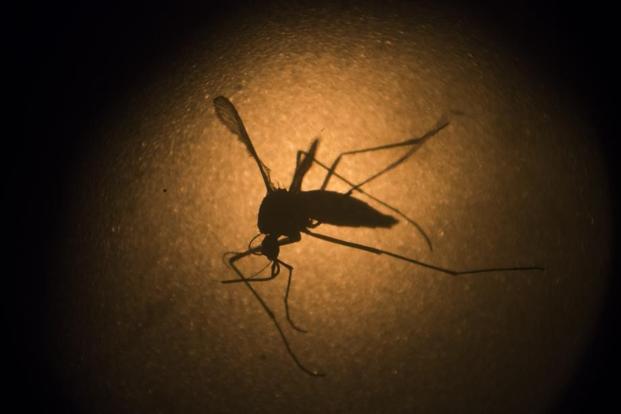
How to medically prevent Malaria?
- Clinical attacks of malaria may be preventable with chemoprophylaxis using chloroquine, atovaquone plus proguanil (Malarone), doxycycline or mefloquine. Recommended dose for protection of the non-immune.
- The risk of malaria in the area to be visited and the degree of chloroquine resistance guide the recommendations for prophylaxis.
- Fansidar should not be used for chemopropylaxis, as deaths have occurred from agranulocytosis or Stevens-Johnson syndrome. Mefloquine is useful in areas of multiple drug resistance, such as East and Central Africa and Papua New Guinea. Experience shows it to be safe for at least 2 years, but there are several contraindication to its use.
- Expert advice is required for individuals unable to tolerate the first-line agents listed or in whom they are contraindicated. Mefloquine should be started 2-3 weeks before travel to give time for assessment of side effect. Chloroquine should not be taken continuously as a prophylactic for more than 5 years without regular ophthalmic examination, as it may cause irreversible retinopathy.
- Pregnant and lactating women may take proguanil or chloroquine safely.
- Prevention also involves advice about the use of high-percentage diethyltoluamide(DEET), covering up extremities when out after dark, and sleeping under permethrin-impregnated mosquito nets.
Malaria control in endemic areas
There are major initiatives under way to reduce malaria in endemic areas and it is estimated that these would be cost-effective, even at a cost of $3 billion per year. Successful programs have involved a combination of vector control, including indoor residual spraying, use of long-lasting insecticide-treated bed nets (ITNs) and intermittent preventative therapy (IPT ; repeated dose of prophylactic drugs in high-risk groups, such as children and pregnant women)
Development of a fully protective malaria vaccine is still some way off, which is not surprising, considering that natural immunity is incomplete and not long-lived. There is, however, some evidence that vaccination can reduce the incidence of severe malaria in populations. Trial vaccines are being evaluated in Africa.