
What Is Tuberculosis (TB)? Symptoms, Causes, Diagnosis & Treatment
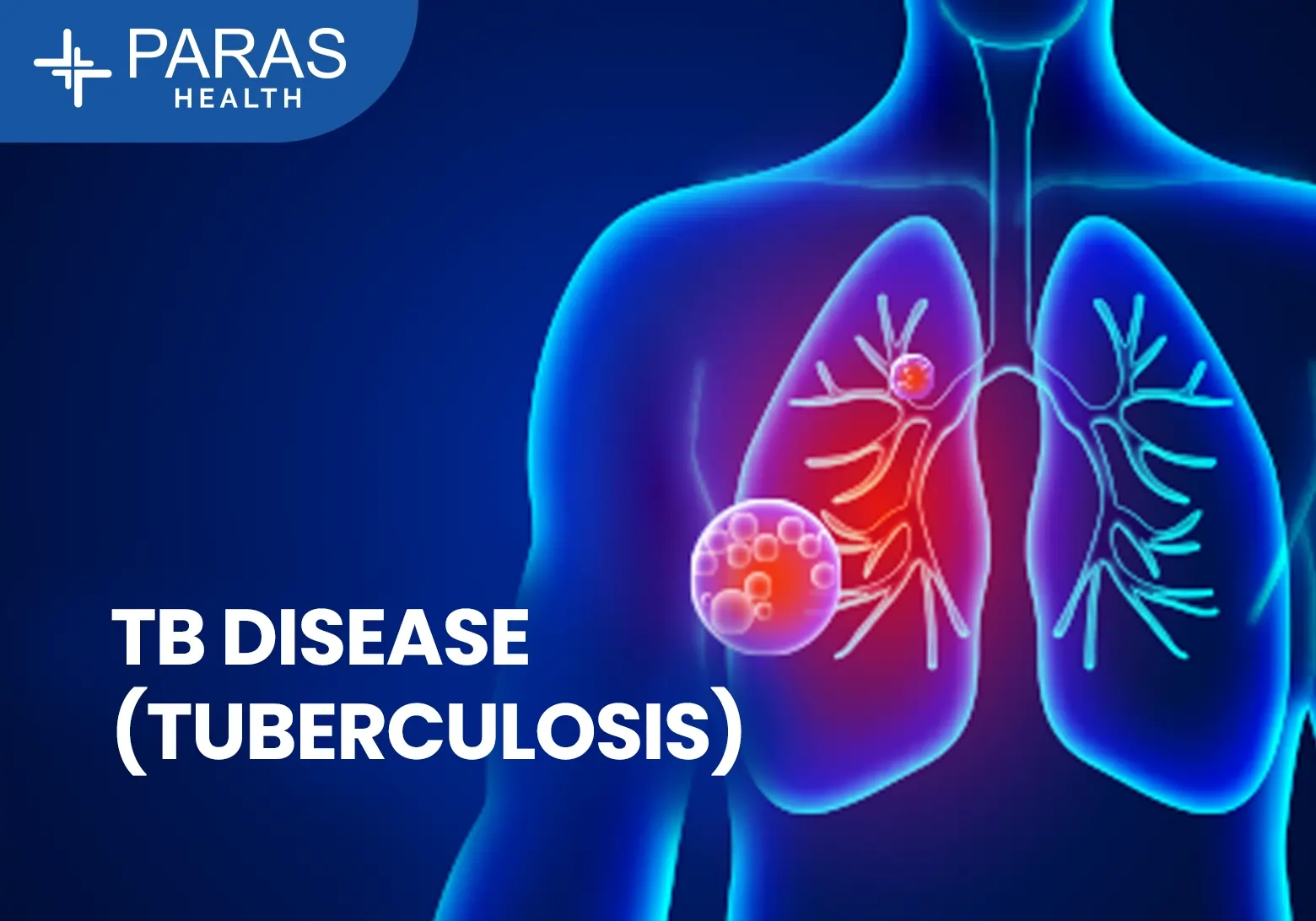
TABLE OF CONTENTS
- What Is Tuberculosis (TB)?
- Key Facts About TB (Tuberculosis)
- What Causes TB?
- Sing & Symptoms of TB
- How Is TB Diagnosed?
- TB Treatment: What Are the Options?
- How to Take Care at Home
- Latent TB vs Active TB
- Is TB Contagious? Can It Be Prevented?
- TB Treatment in India (DOTS Program)
- FAQs on Tuberculosis
- Conclusion

Tuberculosis (TB) is one of the oldest known infectious diseases — and still one of the most widespread. In India, it continues to affect lakhs of people every year, especially in densely populated areas. The good news? TB is completely curable — but only if it’s diagnosed early and treated correctly.
In this blog, we’ll walk you through everything you need to know about TB — including its causes, symptoms, how it spreads, diagnosis, treatment, and prevention tips. We’ve also answered the most frequently asked questions people search for on Google and voice assistants like Alexa or Siri — in simple, easy-to-understand language.
What Is Tuberculosis (TB)?
Tuberculosis is an infection caused by a bacteria called Mycobacterium tuberculosis. It mainly affects the lungs (called pulmonary TB) but can also impact other parts of the body like the bones, kidneys, brain, or spine (extrapulmonary TB).
TB spreads through the air when a person with active lung TB coughs, sneezes, or speaks. It does not spread by sharing food, shaking hands, or casual contact.
Key Facts About TB (Tuberculosis)
- TB is preventable and curable.
- India has the highest number of TB cases in the world.
- Coughing for more than 2 weeks is one of the most common symptoms.
- TB is airborne, but not everyone exposed to it gets sick.
- TB can be active or latent (hidden but not causing illness).
What Causes TB?
TB is caused by a bacteria called Mycobacterium tuberculosis. The infection spreads when:
- A person with active pulmonary TB coughs or sneezes.
- Others breathe in the bacteria present in droplets.
However, not everyone who is exposed to TB gets infected. Some people may develop latent TB, where the bacteria stay in the body without causing illness.
You are more likely to get TB if:
- Your immunity is weak (due to HIV, diabetes, poor nutrition)
- You live or work in crowded places
- You have close contact with someone with active TB
You smoke or consume alcohol regularly
Sing & Symptoms of TB
Common symptoms of Pulmonary TB (in lungs):
- Persistent cough for more than 2 weeks
- Coughing up blood or mucus
- Chest pain while breathing or coughing
- Fever, especially at night
- Night sweats
- Sudden weight loss
- Tiredness or weakness
Symptoms of Extrapulmonary TB depend on the organ affected:
- Back pain (if in spine)
- Swollen glands (if in lymph nodes)
- Headache or confusion (if in brain)
- Painful urination (if in kidneys)
Don’t ignore these symptoms, especially if you’re at high risk. Early diagnosis makes a huge difference.
How Is TB Diagnosed?
Your doctor may recommend these tests to confirm tuberculosis:
1. Sputum Test
You’ll be asked to cough and give a sample. It checks for TB bacteria.
2. Mantoux Test (Tuberculin Skin Test)
A small amount of TB protein is injected under your skin. A swelling after 48–72 hours may indicate TB exposure.
3. Chest X-ray
To check for any damage or infection in the lungs.
4. Blood Test (IGRA)
A modern test to check your immune system’s response to TB bacteria.
5. TB PCR or CBNAAT Test
A fast and accurate test used in India’s DOTS program to detect drug-resistant TB as well.
All of these tests are available free of cost at government health centers.
TB Treatment: What Are the Options?
Standard TB Treatment
TB is treated with antibiotics for 6 to 9 months. The most common medicines include:
- Rifampicin
- Isoniazid
- Ethambutol
- Pyrazinamide
These medicines are provided for free under the DOTS program (Directly Observed Treatment, Short-course) in India.
You must complete the full course even if you start feeling better. Stopping treatment early can cause the TB to come back or become drug-resistant TB (MDR-TB).
Drug-Resistant TB (MDR-TB)
This occurs when bacteria stop responding to regular TB medicines. It’s more difficult to treat and may require:
- Longer treatment (up to 18–24 months)
- Stronger second-line medicines
- Regular follow-ups and monitoring
If you have MDR-TB, don’t panic. Specialized centers and government support are available.
How to Take Care at Home
- Follow your medicine schedule daily
- Cover your mouth while coughing or sneezing
- Use a separate towel, bedding, and utensils if advised
- Eat nutritious food (protein-rich and calorie-dense)
- Avoid smoking and alcohol
- Rest well, stay hydrated, and follow up regularly with your doctor
Latent TB vs Active TB
- Latent TB: You have TB bacteria, but no symptoms. You are not infectious. Treatment may still be needed to prevent future illness.
- Active TB: You are sick and can spread the disease to others. Immediate treatment is needed.
Is TB Contagious? Can It Be Prevented?
Yes, active pulmonary TB is contagious, especially when untreated. But the good news is — it can be prevented.
How to protect yourself:
- Take the BCG vaccine (usually given at birth)
- Wear masks if you’re in high-risk settings
- Ensure good ventilation at home and work
- Avoid close contact with untreated TB patients
- Maintain strong immunity with a balanced diet
TB Treatment in India (DOTS Program)
The National TB Elimination Program (NTEP) offers:
- Free medicines for 6–24 months
- Regular monitoring at government health centers
- Nutritional support schemes for TB patients
- Private doctor referrals into the public system
To find your nearest DOTS center, you can call the national TB helpline or visit a government PHC/CHC.
FAQs on Tuberculosis
What is tuberculosis in simple words?
TB is a disease caused by a bacteria that mainly affects the lungs and spreads through the air.
What are the first signs of TB?
Coughing for more than 2 weeks, fever, night sweats, and weight loss are early symptoms.
Is TB curable completely?
Yes, TB is 100% curable with proper medicines taken regularly for 6 months.
How is TB diagnosed?
TB is diagnosed through sputum test, chest X-ray, skin test (Mantoux), or blood tests.
Is TB contagious?
Yes, active TB in the lungs can spread through coughing or sneezing.
What causes tuberculosis?
It’s caused by bacteria called Mycobacterium tuberculosis, which spreads through the air.
Can TB come back after treatment?
Yes, if you stop treatment early or your immunity drops, TB may return.
How long does TB treatment last?
Standard TB treatment lasts 6–9 months. Drug-resistant TB may take longer.
Which doctor should I consult for TB?
Start with a general physician or visit a government DOTS center. Chest specialists may also be involved.
What food is good during TB treatment?
Eat protein-rich foods (dal, eggs, milk), fruits, vegetables, and stay well-hydrated.
Conclusion
Tuberculosis may sound scary, but it is completely curable when diagnosed early and treated properly. The key is awareness, testing, and sticking to your medication. India offers full support for TB patients — you just need to take the first step.
If you or someone around you has symptoms like a long-lasting cough or unexplained fever, don't wait. Visit your nearest health center and get tested for TB.


.webp)