

What is Autism?


Autism is a complex neurobehavioral condition that incorporates weaknesses in social cooperation and formative language and relational abilities joined with unbending, dull practices. Due to the scope of manifestations, this condition is presently called autism spectrum disorder (ASD).
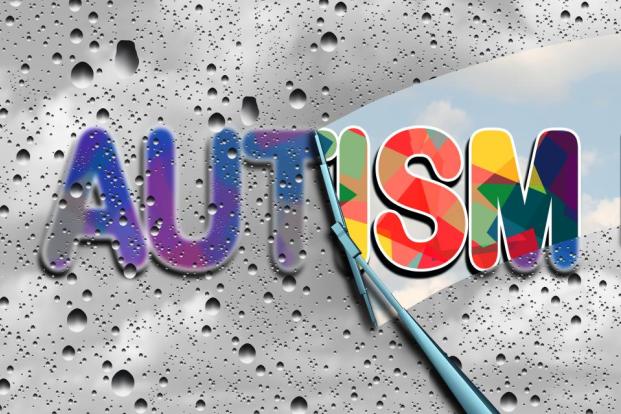
It covers a vast range of indications, aptitudes, and dimensions of hindrance. ASD is considered serious from a debilitation that to some degree confines a generally typical life to an overwhelming incapacity that may require institutional consideration.
Chemical imbalance is related with a mix of hereditary and natural components. Hazard factors amidst pregnancy incorporate certain contaminations, for example, rubella, poisons including valproic corrosive, liquor, cocaine, pesticides and air contamination, fetal development confinement and immune system diseases. Controversies encompass other proposed ecological causes; for instance, the immunization speculation, which has been disproved. Mental imbalance influences data handling in the cerebrum by modifying associations and association of nerve cells and their neural connections. How this happens isn’t surely known.
Early language training or conduct intercessions can assist kids with mental imbalance increase self-care, social, and relational abilities. In spite of the fact that there is no known cure, there have been instances of youngsters who recouped. Very few kids with chemical imbalance live freely in the wake of achieving adulthood, however some are successful.
Mentally unbalanced people can show numerous types of redundant or confined conduct, which the Repetitive Behavior Scale-Revised (RBS-R) sorts as pursues.
- Stereotyped practices: Repetitive developments, for example, hand fluttering, head rolling, or body shaking.
- Compulsive practices: Time-expending practices expected to decrease tension that an individual feels constrained to perform over and over or as per inflexible standards, for example, putting in items in a particular request, checking things, or hand washing.
- Sameness: Resistance to change; for instance, demanding that the furnishings not be moved or declining to be interfered.
- Ritualistic conduct: Unvarying example of day by day exercises, for example, a constant menu or a dressing custom. This is intently connected with similarity and an autonomous approval has recommended joining the two components.
- Restricted interests: Interests or obsessions that are strange in subject or force of center, for example, distraction with a solitary TV program, toy, or amusement.
- Self-damage: Behaviors, for example, eye-jabbing, skin-picking, hand-gnawing and head-slamming.
No single dull or self-damaging conduct is by all accounts explicit to mental imbalance, however chemical imbalance seems to have a raised example of event and seriousness of these behaviors.