



DM Cardiology
Mithilanchal’s First Leadless Pacemaker Implant Saves 80-Year-Old Patient After Three Cardiac Arrests
In a landmark achievement for cardiac care in North Bihar, Paras Global Hospital, Darbhanga successfully performed the region’s first Leadless Pacemaker Implantation, saving the life of an 80-year-old patient who had suffered multiple cardiac arrests. The patient, Mr. Atikur Rahman, was brought to the hospital in...
In a landmark achievement for cardiac care in North Bihar, Paras Global Hospital, Darbhanga successfully performed the region’s first Leadless Pacemaker Implantation, saving the life of an 80-year-old patient who had suffered multiple cardiac arrests.
The patient, Mr. Atikur Rahman, was brought to the hospital in a critical condition following repeated episodes of unconsciousness over several weeks. On arrival at the Emergency Department, his condition worsened further, with his heart rate dropping to a dangerously low 14 beats per minute, leading to three episodes of cardiac arrest. Each episode required immediate CPR and advanced cardiac life support.
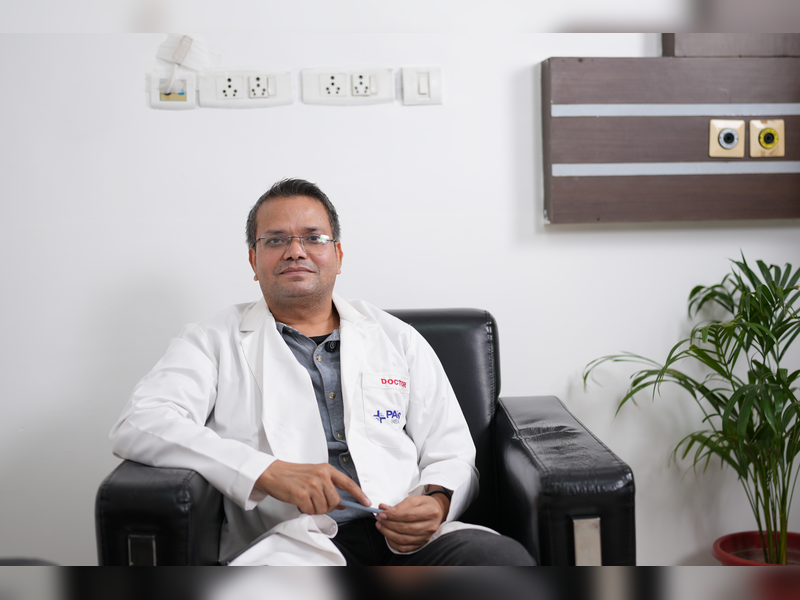
Comprehensive evaluation revealed severe bradycardia due to failure of the heart’s electrical conduction system, along with significant coronary artery disease and multiple high-risk comorbidities including diabetes, hypertension, and chronic kidney disease. Given the complexity of the condition, the cardiology team led by Dr. Dayanand, Senior Consultant Cardiologist, adopted a staged interventional approach.
Initially, coronary angioplasty was performed and three stents were placed to restore adequate blood flow to the heart. However, despite improved circulation, the patient’s rhythm instability persisted, necessitating permanent pacing support. Considering his advanced age, frail condition, and high risk of infection, the team opted for a Leadless Pacemaker, a cutting-edge, minimally invasive device that eliminates the need for surgical pockets and transvenous leads.
The procedure was completed successfully, marking a historic first for the Mithilanchal region. Unlike conventional pacemakers, the leadless system significantly reduces infection risk, avoids chest incisions, and is especially suited for elderly and high-risk patients.
Following the intervention, the patient’s heart rhythm stabilized, episodes of unconsciousness resolved completely, and his overall condition improved significantly. He was discharged in stable condition after a smooth recovery.
Dr. Dayanand noted that the case represents a breakthrough in advanced electrophysiology care in the region, offering life-saving options for patients previously considered too high-risk for conventional pacemaker implantation.