

Robotic Surgery in Kanpur
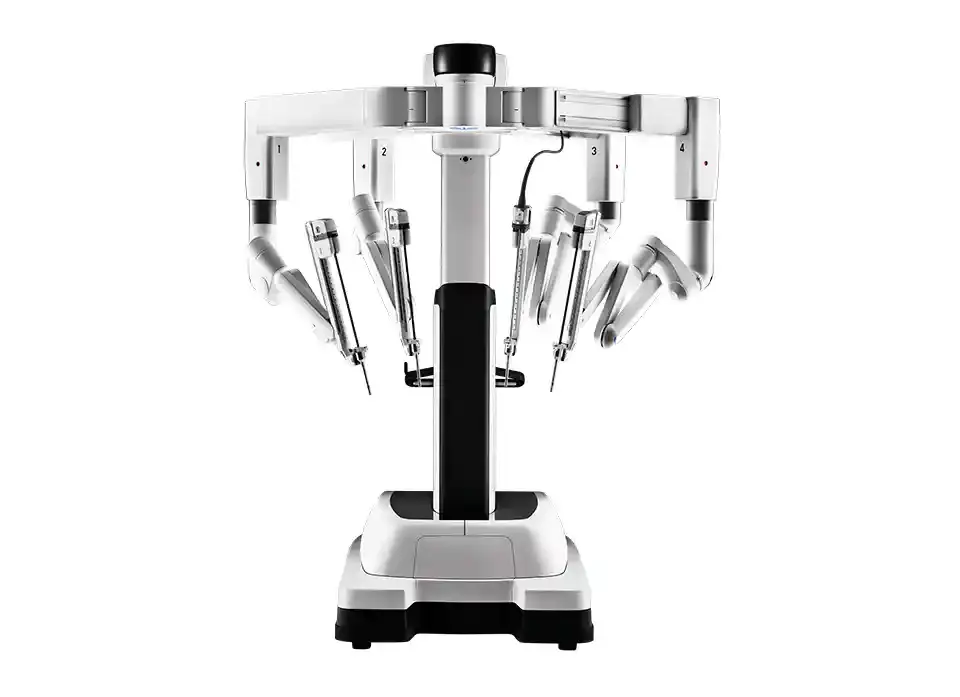
At Paras Health, Kanpur, we strive to redefine surgical care by offering advanced, patient-centric treatment powered by the latest innovations in minimally invasive surgery. Robotic-assisted surgery combines the expertise of experienced surgeons with advanced technology to perform complex procedures with greater precision, enhanced control, and improved visualization. During robotic surgery, the surgeon remains in complete control of the robotic system, using high-definition 3D imaging and highly flexible instruments to operate through small incisions. This approach is used across multiple specialties to help improve surgical accuracy while supporting better patient outcomes.
Specialities Using Robotic-Assisted Technology


Meet Our Doctors
Meet our experienced robotic surgeons who combine clinical expertise with advanced technology to deliver precise, minimally invasive procedures and personalized patient care.
 Reg No-81872
- Qualification
- MBBS, MS (Orthopaedics), DNB (Orthopaedics)
 Reg No-72645
Dr. Shantanu Chaudhary
Senior Consultant - GENERAL AND LAPAROSCOPIC SURGERY
Paras Health, Kanpur
View Profile- Qualification
- MBBS, MS (General Surgery)
 Reg No-1
- Qualification
- MBBS, DNB, M.Ch(GI Surgery)
 Reg No-96655
- Qualification
- MBBS, MS (Orthopaedics)
Robotic Surgery at Paras Health, Kanpur
What is Robotic Surgery?
Robotic surgery, also known as robotic-assisted surgery, is an advanced form of minimally invasive surgery that combines cutting-edge technology with the expertise of highly trained surgeons. Contrary to common misconceptions, the robotic system does not perform the surgery on its own. Every movement of the robotic instruments is guided and controlled in real time by the surgeon from a dedicated console.
The robotic surgical system translates the surgeon's hand movements into highly precise, smaller movements of robotic instruments inside the patient's body. It also provides a magnified, high-definition 3D view of the surgical area, allowing surgeons to operate with exceptional accuracy, even in complex or hard-to-reach anatomical spaces.
How does the Robotic Surgical System Works?
The robotic surgical system works as follows -
Step 1: The Surgeon Takes Control
The surgeon sits at an advanced surgical console and remains in complete control of the robotic system throughout the procedure. The robot never operates independently.
Step 2: Every Hand Movement is Translated
The robotic system translates the surgeon's hand movements into precise, real-time movements of robotic instruments, enabling exceptional accuracy and control.
Step 3: Enhanced 3D Visualization
A high-definition, magnified 3D camera provides a detailed view of the surgical site, allowing the surgeon to clearly visualize delicate structures such as nerves, blood vessels, and tissues.
Step 4: Robotic Arms Perform the Procedure
The robotic arms hold specialized surgical instruments that mimic the movement of the human wrist with an even greater range of motion, making it easier to perform complex procedures through small incisions.
Step 5: Precision-Driven Patient Care
The combination of the surgeon's expertise and advanced robotic technology helps improve surgical precision, minimize tissue trauma, and support a smoother recovery.
Why Choose Robotic Surgery Over Traditional Surgery?
| Robotic Surgery | Traditional Open Surgery |
| Smaller incisions | Larger surgical incision |
| Greater precision and control | Limited instrument mobility |
| High-definition 3D magnified visualization | Direct line of sight |
| Less blood loss during surgery | Higher potential for blood loss |
| Reduced post-operative pain | More post-operative discomfort |
| Lower risk of infection | Higher risk of wound-related complications |
| Minimal scarring | Larger visible scar |
| Shorter hospital stay | Longer hospital stay |
| Faster recovery and return to daily activities | Longer recovery period |
| Enhanced access to difficult-to-reach anatomical areas | More invasive surgical access |
| Greater preservation of surrounding healthy tissues | More extensive tissue disruption |
| Improved surgeon ergonomics and control | Conventional surgical techniques |
Robotic Procedures We Perform
1. Robotic Knee Replacement Surgery
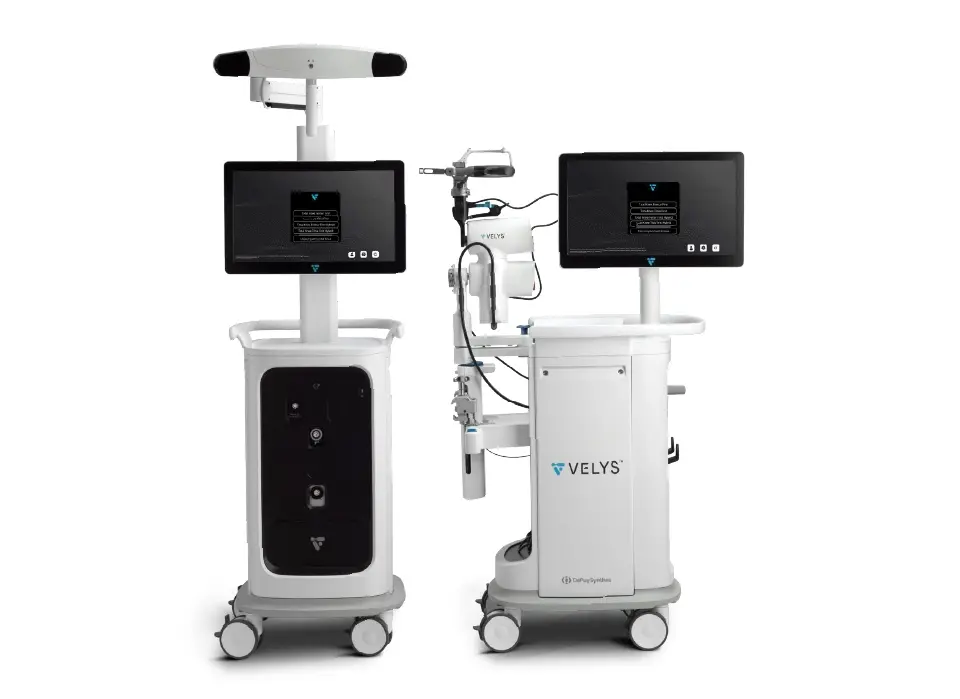
Robotic knee replacement surgery combines advanced robotic technology with real-time surgical guidance to deliver a highly personalized approach to joint replacement. The system provides precise intraoperative measurements that help surgeons optimize implant positioning, restore joint alignment, and achieve balanced knee function based on each patient's unique anatomy. Throughout the procedure, surgeons can make informed, real-time adjustments while maintaining complete control over every surgical decision. Our specialists perform robotic-assisted total knee replacement (TKR), partial knee replacement (unicompartmental knee arthroplasty), and selected complex or revision knee replacement procedures, depending on the patient's condition and clinical suitability. By enhancing precision during bone preparation and implant placement while minimizing unnecessary disruption to surrounding soft tissues wherever clinically appropriate, robotic-assisted knee replacement supports improved joint function, greater implant accuracy, smoother recovery, and long-term mobility.
2. Robotic General Surgery
Robotic general surgery enables minimally invasive treatment for a wide range of abdominal and gastrointestinal conditions, offering greater flexibility for procedures that require precise dissection and complex reconstruction. High-definition 3D visualization and wristed robotic instruments allow surgeons to operate with greater control, even in difficult-to-access areas. Our specialists perform robotic procedures including hernia repair, gallbladder removal (cholecystectomy), appendectomy, colorectal surgery, hiatal hernia repair, anti-reflux surgery (fundoplication), splenectomy, and selected procedures involving the stomach, liver, pancreas, and adrenal glands. Robotic-assisted techniques enable surgeons to perform complex abdominal procedures with greater precision, supporting safe surgery, minimal tissue disruption, and a smoother recovery.
3. Robotic Bariatric & Metabolic Surgery
Robotic bariatric and metabolic surgery offers an advanced surgical solution for individuals living with obesity and obesity-related metabolic diseases. The robotic system provides enhanced control during complex stapling, suturing, and reconstruction, making it particularly beneficial for revisional bariatric procedures, patients with higher BMI, and technically demanding surgeries. Common robotic procedures include Sleeve Gastrectomy, Roux-en-Y Gastric Bypass, Revisional Bariatric Surgery, and selected metabolic procedures designed to improve weight-related health conditions. Comprehensive bariatric care extends beyond surgery, combining advanced robotic techniques with nutritional guidance, lifestyle support, and long-term follow-up to help patients achieve sustainable weight loss and improved metabolic health.
Why Choose Paras Health for Robotic Surgery?
1. Expert Robotic Surgeons - Our experienced robotic surgeons are trained to perform complex procedures with precision, combining advanced technology with extensive clinical expertise across multiple specialties.
2. Advanced Robotic Technology - We leverage state-of-the-art robotic-assisted surgical technology to enhance precision, control, and visualization, enabling minimally invasive treatment for a wide range of conditions.
3. Multidisciplinary Team Approach - Every patient benefit from the collective expertise of surgeons, anaesthetists, oncologists, intensivists, radiologists, and rehabilitation specialists, ensuring comprehensive and coordinated care.
4. Personalized Treatment Plans - No two patients are the same. We develop individualized treatment strategies based on your diagnosis, overall health, and recovery goals to deliver the most appropriate surgical care.
5. Comprehensive Care - From Consultation to Recovery - From pre-operative evaluation and surgery to rehabilitation and follow-up, our dedicated care teams support you at every stage of your treatment journey for a seamless patient experience.
6. Commitment to Better Outcomes - Our focus is on achieving excellent clinical outcomes while helping patients recover sooner, experience greater comfort, and return to their daily lives with confidence.