
How Doctors Decide If Sciatica Surgery Is Needed
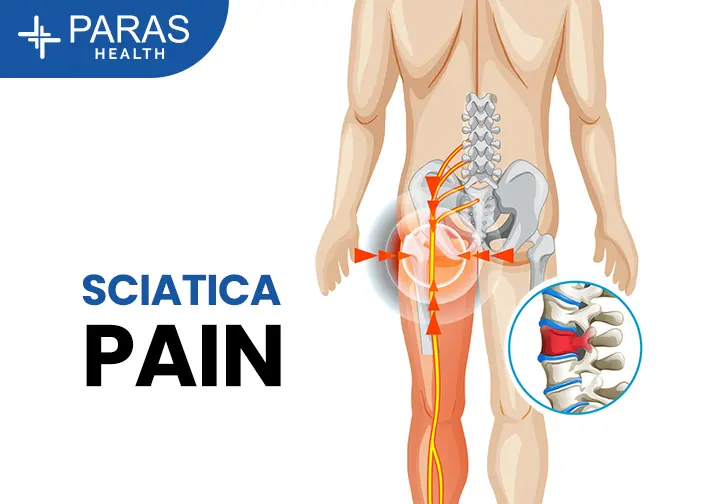
TABLE OF CONTENTS
- What Is Sciatica Pain and Why Does It Happen?
- Can Sciatica Heal Without Surgery?
- Signs Sciatica Needs Surgery (Do Not Ignore These)
- Conditions Where Sciatica Surgery Is Commonly Required
- When Is Surgery Required for Sciatica?
- Types of Surgery for Sciatica Pain
- Is Sciatica Surgery Safe?
- Key Facts About Sciatica Surgery
- Final Thoughts
- FAQs

Sciatica pain can be frightening—especially when it shoots from your lower back down your leg and refuses to settle. Many people immediately worry: “Will I need surgery?”
The good news is most people with sciatica do NOT need surgery. However, in some situations, surgery becomes necessary to prevent nerve damage and long-term problems.
In this blog, we’ll explain when sciatica needs surgery, when it doesn’t, warning signs you should never ignore, and how doctors decide the right treatment—all in simple, easy-to-understand language.
What Is Sciatica Pain and Why Does It Happen?
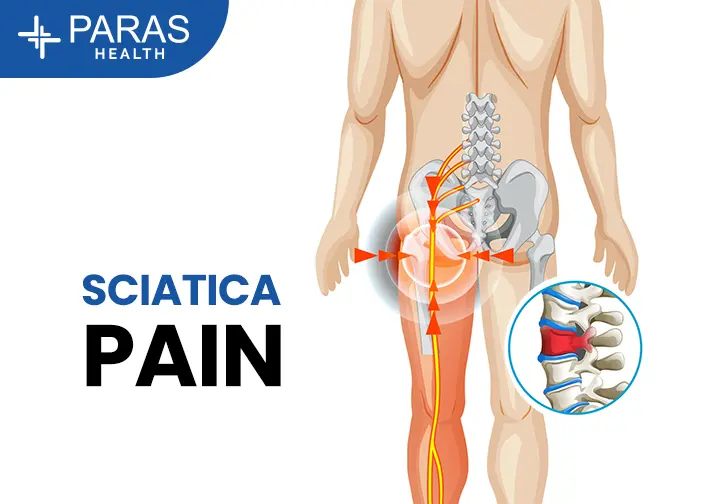
Sciatica is nerve pain, not just regular back pain. It happens when the sciatic nerve, the longest nerve in the body, gets compressed or irritated.
This nerve starts in the lower back, passes through the hips and buttocks, and runs down each leg. When pressure builds on this nerve, pain can travel along its path.
Common Causes of Sciatica
- Slipped or herniated disc pressing on the nerve
- Spinal stenosis (narrowing of the spinal canal)
- Spondylolisthesis (one vertebra slipping over another)
- Injury or degeneration of the spine
Common Symptoms
- Sharp or burning pain from lower back to leg
- Tingling or numbness in the leg or foot
- Weakness in one leg
- Pain that worsens while sitting or bending
Can Sciatica Heal Without Surgery?
Yes—in most cases, sciatica heals without surgery.
Nearly 80–90% of people recover with non-surgical treatment, especially within the first 4 to 6 weeks.
Non-Surgical Treatments Include:
- Pain-relief medicines
- Physiotherapy and guided exercises
- Hot or cold therapy
- Lifestyle changes and posture correction
If your pain is improving steadily, surgery is not required.
How Long Should Sciatica Last Before Surgery Is Considered?
Sciatica usually improves within 4 to 6 weeks.
Doctors begin thinking about surgery when:
- Pain lasts more than 6–8 weeks
- Symptoms do not improve despite proper treatment
- Pain starts affecting daily life or sleep
- Nerve symptoms worsen instead of improving
Time alone doesn’t decide surgery—symptoms and nerve health do.
Signs Sciatica Needs Surgery (Do Not Ignore These)
Severe Pain That Does Not Improve
If sciatica pain remains intense even after medicines and physiotherapy, surgery may be considered.
Progressive Weakness in the Leg
Weakness that keeps increasing is a red flag. This may include:
- Difficulty walking
- Foot drop
- Loss of balance
Numbness or Loss of Sensation
Persistent numbness in the leg or foot can signal nerve damage.
Bowel or Bladder Problems (Emergency)
If sciatica is accompanied by:
- Difficulty controlling urine or stool
- Numbness around the groin area
This may indicate cauda equina syndrome, a medical emergency requiring immediate surgery.
Conditions Where Sciatica Surgery Is Commonly Required
Surgery is more likely when sciatica is caused by structural spine problems that won’t heal on their own.
Common Conditions Include:
- Herniated disc sciatica causing nerve compression
- Spinal stenosis with worsening symptoms
- Spondylolisthesis causing spinal instability
- Recurrent sciatica despite repeated treatments
When Is Surgery Required for Sciatica?
Doctors recommend surgery when:
- Pain is chronic and disabling
- Nerve damage is progressing
- Quality of life is severely affected
- Conservative treatments fail
- Emergency symptoms are present
Surgery is always a last option, not the first.
Types of Surgery for Sciatica Pain
1. Microdiscectomy
The most common sciatica surgery.
A small part of the slipped disc pressing on the nerve is removed.
Benefits:
- Quick pain relief
- Small incision
- Faster recovery
2. Laminectomy
Used mainly for spinal stenosis.
A small portion of bone is removed to reduce pressure on nerves.
3. Minimally Invasive Spine Surgery
Advanced techniques using small cuts and special tools.
Advantages:
- Less pain
- Minimal blood loss
- Shorter hospital stay
- Faster return to work
Is Sciatica Surgery Safe?
Yes, modern sciatica surgery is generally safe, especially when done by experienced spine surgeons.
Success Rates:
- Most patients experience significant pain relief
- Success rates are usually 80–90%, depending on the cause
Like any surgery, it has risks—but these are much lower today due to advanced techniques.
Risks and Complications of Sciatica Surgery
Although uncommon, possible risks include:
- Infection
- Bleeding
- Nerve injury
- Recurrence of pain
Choosing the right hospital, surgeon, and following post-surgery advice greatly reduces risks.
Recovery Time After Sciatica Surgery
Recovery depends on the type of surgery and your overall health.
General Recovery Timeline:
- Hospital stay: 1–3 days
- Walking: within 24–48 hours
- Office work: 2–4 weeks
- Heavy work: 6–8 weeks
Physiotherapy plays a major role in full recovery.
What Happens If Sciatica Is Left Untreated?
Ignoring sciatica for too long can lead to:
- Permanent nerve damage
- Chronic pain
- Muscle weakness
- Difficulty walking
- Reduced quality of life
Early treatment prevents surgery in many cases.
When Should You See a Doctor for Sciatica?
You should consult a doctor if:
- Pain lasts more than a few weeks
- Pain worsens instead of improving
- You feel weakness or numbness
- Daily activities become difficult
- Bowel or bladder symptoms appear
Key Facts About Sciatica Surgery
- Most sciatica cases do not need surgery
- Surgery is considered after 6–8 weeks of failed treatment
- Emergency surgery is rare but critical
- Minimally invasive surgery improves recovery
- Early diagnosis often avoids surgery
- Physiotherapy is essential before and after surgery
Final Thoughts
Sciatica surgery is not something to fear, but it is also not something to rush into. Most people recover without surgery when treatment starts early. Surgery becomes necessary only when pain refuses to improve, nerves are at risk, or daily life is severely affected.
Listening to your body and seeking medical advice at the right time can make all the difference.
FAQs
Does everyone with sciatica need surgery?
No. Most people recover with medicines and physiotherapy without surgery.
How long should I wait before considering surgery for sciatica?
Usually 6–8 weeks, unless severe nerve symptoms appear earlier.
Is sciatica surgery painful?
Pain is minimal with modern techniques and improves quickly after surgery.
Can sciatica come back after surgery?
Yes, but recurrence is uncommon when proper care and exercises are followed.
Is walking good for sciatica pain?
Gentle walking often helps, but avoid overexertion.
Can sciatica heal permanently without surgery?
Yes, many cases heal completely with conservative treatment.
What is the success rate of sciatica surgery?
Most surgeries have an 80–90% success rate.
Is sciatica surgery risky?
Risks are low when done by experienced surgeons.
How soon can I return to work after surgery?
Most patients return within 2–4 weeks for desk jobs.
When is sciatica considered an emergency?
If there is bowel or bladder loss or sudden leg weakness, seek immediate care.