


Health Library
Blogs
- All
- Cardiac Sciences
- Clinical Psychology
- Critical Care
- Dentistry
- Dermatology & Cosmetology
- Emergency Medicine
- Endocrinology
- ENT, Neck & Head Surgery
- Gastro Sciences
- General Surgery
- Internal Medicine
- Neuro Sciences
- Obstetrics & Gynaecology
- Onco Care
- Ophthalmology
- Orthopaedics
- Paediatrics
- Plastic Surgery
- Psychiatry
- Pulmonology
- Renal Sciences
- Emergency
- Urology
- Liver Transplant & GI Surgery
- Dietetics & Nutrition
- General
Renal Sciences
| Post Date : Aug 29, 2025
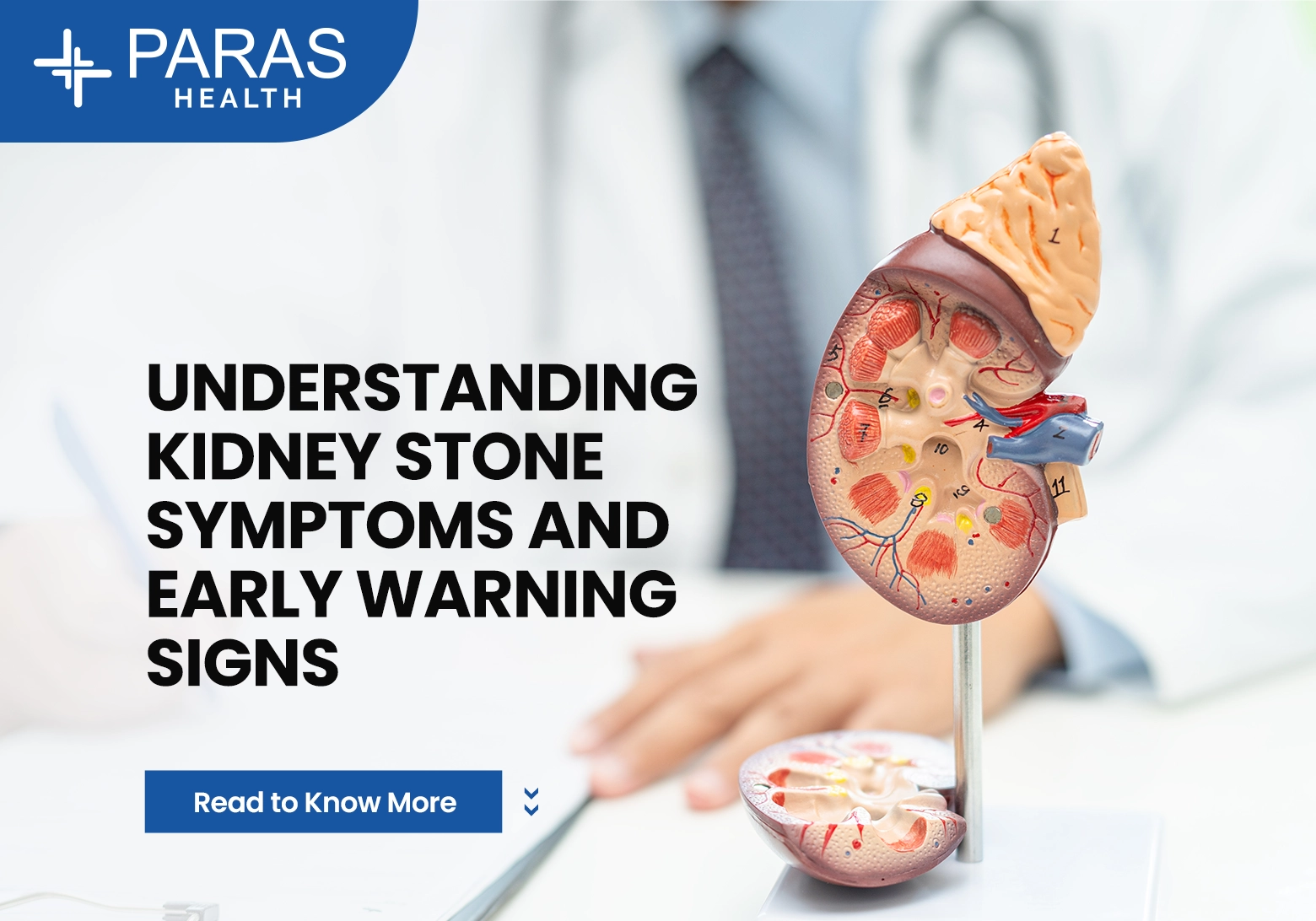
Kidney stones are a common health issue that affect millions of people around the world every year. These hard, crystal-like deposits form when minerals and salts build up inside the kidneys.
Continue Reading
.webp)
Plastic Surgery
| Post Date : Aug 23, 2025
Have you been struggling with areas of stubborn fat that just won’t go away—no matter how much you diet or exercise? If so, you’re not alone. For many people, fat pockets in areas like the belly, thighs, arms, or chin can be incredibly resistant to change. Fortunately, there's a safe and effective solution: Power-Assisted Liposuction (PAL).
Continue Reading

Dermatology & Cosmetology
| Post Date : Aug 19, 2025
When you look in the mirror and see tiny holes or uneven texture on your skin, you’re most likely noticing open pores. While everyone has pores (they allow sweat and oil to reach the skin’s surface), in some people they appear larger and more visible.
Continue Reading
Obstetrics & Gynaecology
| Post Date : Aug 18, 2025
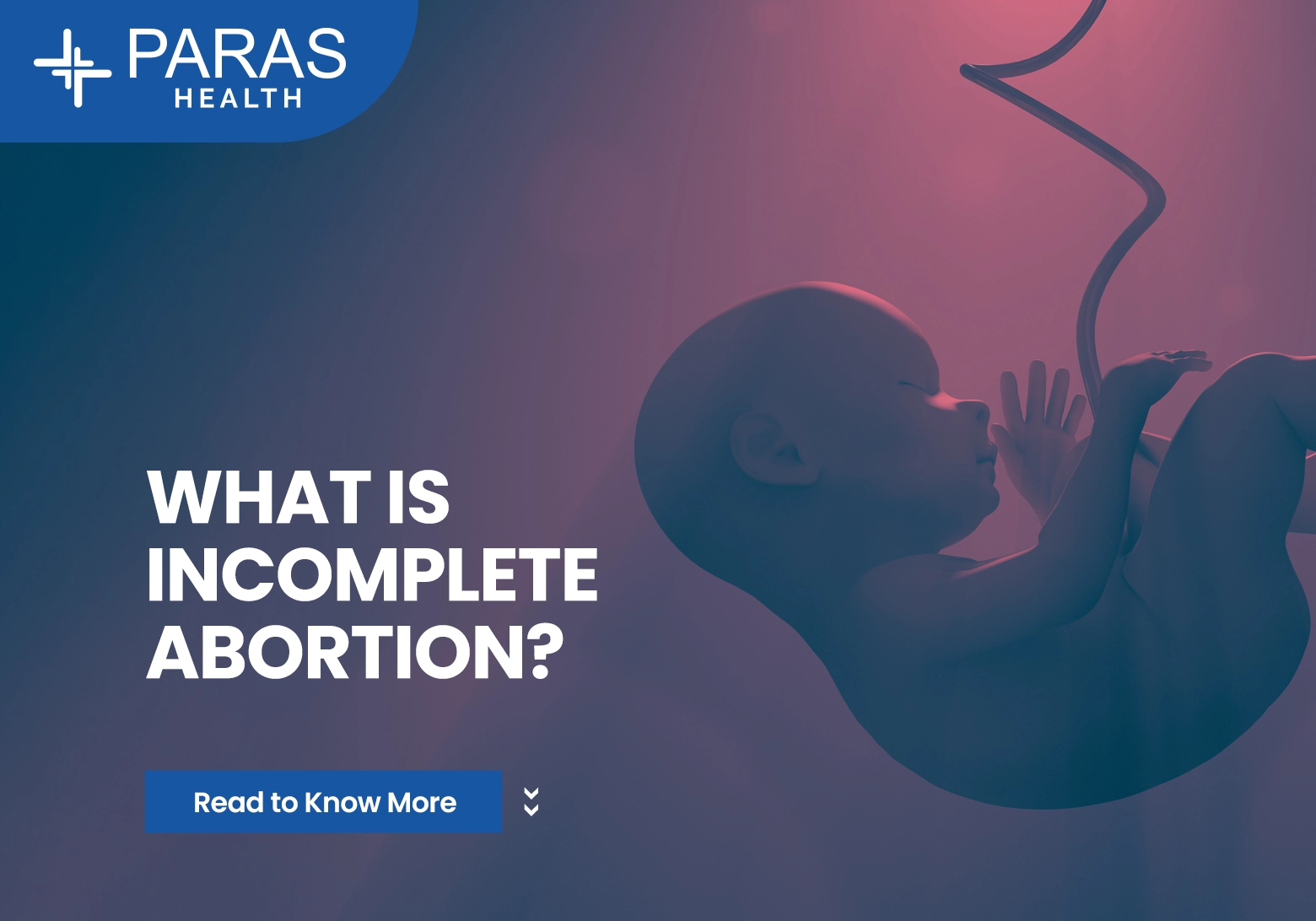
Incomplete abortion happens when some pregnancy tissue remains in the uterus after abortion or miscarriage. It can cause heavy bleeding, pain, or infection. With timely diagnosis and safe medical care, recovery is possible without long-term complications.
Continue Reading

Internal Medicine
| Post Date : Aug 05, 2025
A high ESR (Erythrocyte Sedimentation Rate) in women is often a sign of inflammation—not a disease itself. It can be caused by infections, anemia, hormonal changes, autoimmune conditions, or stress. Mild elevation is common and usually not dangerous, but values above 50 mm/hr should be evaluated by a doctor.
Continue Reading
Internal Medicine
| Post Date : Aug 04, 2025
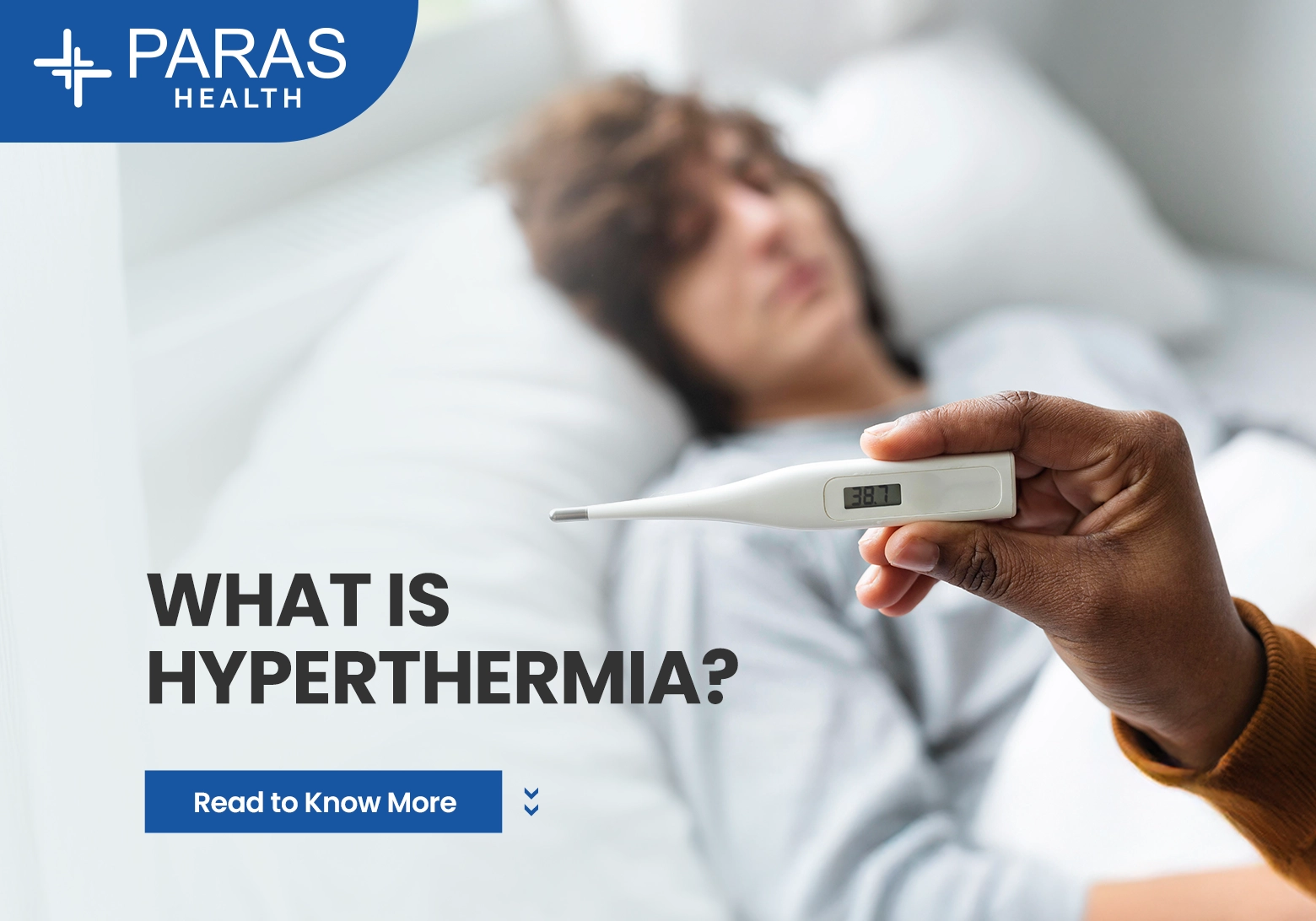
Hyperthermia is a dangerous rise in body temperature when your body can’t cool itself—especially in extreme heat or during physical activity. It includes conditions like heat cramps, heat exhaustion, and heat stroke. Early signs include sweating, fatigue, and dizziness. If ignored, it can lead to organ failure or death. Stay safe with hydration, shade, and quick first aid.
Continue Reading