



M.D. (MEDICINE) DM (NEUROLOGY)
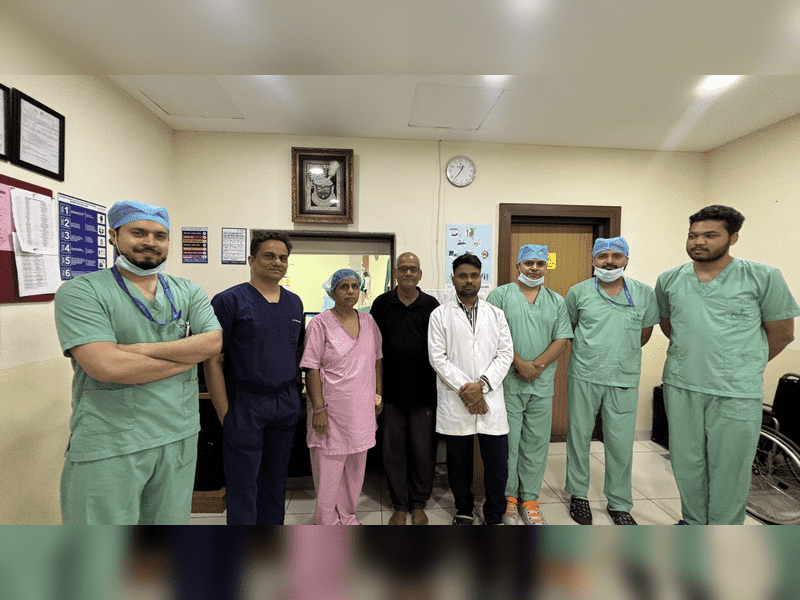
City’s First Complex Intracranial Vertebral Artery Stenting, Preventing Major Stroke Risk
In a landmark achievement for neurovascular care in Rajasthan, Paras Health Udaipur has successfully performed the city's first complex intracranial vertebral artery stenting procedure, helping prevent a potentially life-threatening stroke in a patient with critical narrowing of a major brain artery. The highly specialized procedure...
In a landmark achievement for neurovascular care in Rajasthan, Paras Health Udaipur has successfully performed the city's first complex intracranial vertebral artery stenting procedure, helping prevent a potentially life-threatening stroke in a patient with critical narrowing of a major brain artery.
The highly specialized procedure was led by Dr. Tarun Mathur, Senior Consultant – Neurology, on a patient diagnosed with severe stenosis of the left intracranial vertebral artery, a vital blood vessel that supplies oxygen-rich blood to the brain.
The patient had been experiencing recurrent episodes of dizziness, imbalance while walking, weakness, and other transient neurological symptoms. Comprehensive evaluation and advanced neuroimaging revealed a critical narrowing in the intracranial segment of the vertebral artery, placing the patient at an exceptionally high risk of a major stroke, permanent neurological disability, and paralysis.
Considering the complexity of the condition, the medical team opted for an advanced minimally invasive neuro-interventional procedure instead of conventional surgery. Using specialized microcatheters and real-time imaging guidance, the team carefully navigated through the delicate intracranial blood vessels to precisely deploy a stent across the narrowed artery, successfully restoring blood flow to the brain and significantly reducing the patient's stroke risk.
Intracranial vertebral artery stenting is among the most technically demanding neurovascular procedures due to the small size, fragile nature, and critical location of the brain's blood vessels. Successful execution requires advanced neuro-interventional infrastructure, exceptional procedural expertise, and meticulous precision.
Speaking about the case, Dr. Tarun Mathur said, "Symptoms such as recurrent dizziness, imbalance, sudden weakness, or brief neurological episodes should never be ignored. These may represent warning signs of an impending stroke. Early diagnosis, timely evaluation, and advanced neurovascular intervention can prevent irreversible brain injury and save lives. With this procedure, patients in Udaipur can now access highly specialized stroke prevention treatments closer to home, without the need to travel to larger metropolitan cities."
The patient recovered well following the procedure and was discharged in a stable condition with significant improvement in symptoms. The patient is expected to gradually return to normal daily activities under regular neurological follow-up.
This milestone reinforces Paras Health Udaipur's commitment to bringing world-class neurological and neurovascular care to the region. By offering advanced minimally invasive procedures for complex cerebrovascular disorders, the hospital continues to expand access to cutting-edge stroke prevention and treatment, ensuring better outcomes and improved quality of life for patients across Rajasthan.