
Acanthosis Nigricans: Causes, Symptoms, and Treatment You Should Know
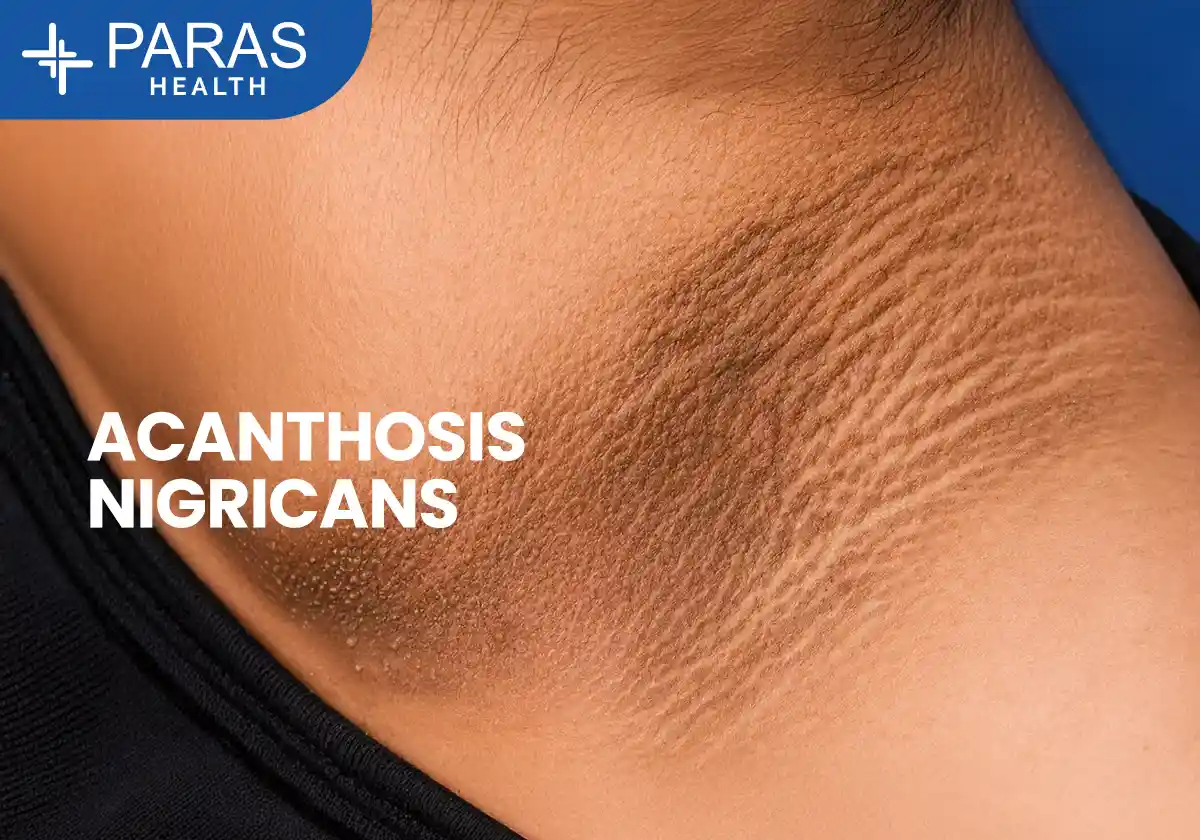
TABLE OF CONTENTS
- What is Acanthosis Nigricans?
- Causes of Acanthosis Nigricans
- Symptoms of Acanthosis Nigricans
- Early Signs You Should Not Ignore
- Acanthosis Nigricans and Diabetes Connection
- Diagnosis of Acanthosis Nigricans
- Treatment of Acanthosis Nigricans
- Home Remedies for Dark Neck and Armpits
- Can Acanthosis Nigricans Be Cured?
- When to See a Doctor?
- Key Facts About Acanthosis Nigricans
- Conclusion
- FAQs

Have you ever noticed dark patches on the neck, underarms, or skin folds that don’t go away even with regular cleaning? Many people assume it’s just dirt or pigmentation, but in some cases, it can be a skin condition called Acanthosis Nigricans.
Acanthosis Nigricans is more than just a cosmetic concern. It is often a visible signal from the body that something deeper may be going on, such as insulin resistance, diabetes, obesity, or hormonal imbalance. Understanding it early can help you take timely action for your overall health.
What is Acanthosis Nigricans?
Acanthosis Nigricans is a skin pigmentation disorder where certain areas of the skin become darker, thicker, and feel velvety to touch. It most commonly appears in body folds such as:
- Neck
- Armpits
- Groin
- Elbows and knees
Unlike normal tanning or pigmentation, these patches are often persistent, gradually increasing, and have a thickened texture.
This condition is not contagious, but it is often linked with metabolic and hormonal changes inside the body.
Causes of Acanthosis Nigricans
Acanthosis Nigricans is usually a sign of an underlying condition rather than a standalone disease. Some common causes include:
1. Insulin Resistance
One of the most common causes is insulin resistance, where the body’s cells do not respond properly to insulin. This is strongly linked to type 2 diabetes and prediabetes.
2. Obesity
Excess body weight increases insulin levels and can trigger dark skin folds and thickened patches.
3. Diabetes
People with diabetes skin symptoms often notice darkening around the neck and armpits as an early warning sign.
4. Hormonal Disorders (PCOS & Endocrine Imbalance)
Conditions like PCOS (Polycystic Ovary Syndrome) can lead to hormonal changes that result in skin darkening.
5. Medications
Certain medications such as steroids or hormonal treatments may also contribute.
6. Rare Genetic Causes
In some rare cases, Acanthosis Nigricans can be inherited.
Symptoms of Acanthosis Nigricans
The symptoms usually develop slowly over time. Common signs include:
- Dark, velvety skin patches
- Thickened skin in folds
- Gradual skin darkening around neck and armpits
- Rough texture compared to surrounding skin
- Sometimes mild itching or irritation
A key characteristic is that the skin may look “dirty,” but it does not improve with washing.
Early Signs You Should Not Ignore
Early detection is important. You should pay attention if you notice:
- Persistent darkening of the neck despite hygiene
- Skin folds becoming visibly darker or thicker
- Unexplained weight gain along with skin changes
- Fatigue or increased thirst (possible diabetes signs)
- Family history of diabetes or PCOS
These early signs often point towards insulin resistance skin changes.
Acanthosis Nigricans and Diabetes Connection
One of the strongest links of this condition is with diabetes and insulin resistance.
When insulin levels are high in the body, it can trigger skin cells to grow abnormally, leading to skin thickening and pigmentation in folds. That is why Acanthosis Nigricans is often considered an early warning sign of type 2 diabetes.
If you notice such symptoms, doctors may recommend:
- Blood sugar test (Fasting & HbA1c)
- Insulin resistance evaluation
- Lifestyle and diet assessment
Early detection can help prevent progression to diabetes.
Diagnosis of Acanthosis Nigricans
Diagnosis is usually simple and done through:
Clinical Examination
A dermatologist can identify the condition by examining the texture and pattern of skin darkening.
Blood Tests
- Blood sugar levels
- HbA1c test
- Insulin resistance markers
Hormonal Tests
In cases where PCOS or endocrine disorders are suspected.
Biopsy (Rare)
Only required if the diagnosis is unclear.
Treatment of Acanthosis Nigricans
Treatment mainly focuses on addressing the root cause.
1. Lifestyle Changes
- Weight loss in case of obesity
- Regular exercise
- Balanced, low-sugar diet
2. Managing Underlying Conditions
- Diabetes control through medication and diet
- Hormonal regulation in PCOS
- Treating metabolic syndrome
3. Dermatological Treatments
- Topical creams for pigmentation
- Chemical peels
- Laser therapy for stubborn patches
4. Medical Supervision
It is important not to self-treat, as proper diagnosis ensures correct treatment of the underlying cause of skin darkening.
Home Remedies for Dark Neck and Armpits
While medical treatment is essential, some supportive care may help improve skin appearance:
- Gentle exfoliation 2–3 times a week
- Aloe vera gel for soothing skin
- Maintaining good hydration
- Healthy diet rich in fruits and fiber
- Avoiding harsh scrubbing or bleaching creams
These remedies can improve texture but do not treat the underlying condition.
Can Acanthosis Nigricans Be Cured?
Yes, in many cases it can improve significantly if the underlying cause is treated.
- If due to obesity → weight loss helps reverse it
- If due to diabetes → sugar control improves skin
- If hormonal → correction improves pigmentation
However, in long-standing cases, some pigmentation may persist.
Prevention of Acanthosis Nigricans
You can reduce the risk by:
- Maintaining a healthy weight
- Controlling blood sugar levels
- Eating a balanced, low-glycemic diet
- Regular physical activity
- Routine health check-ups
Prevention is especially important for people with a family history of diabetes or PCOS.
When to See a Doctor?
You should consult a doctor if:
- Dark patches are spreading quickly
- Skin changes are accompanied by weight gain or fatigue
- You suspect diabetes or hormonal imbalance
- Home care is not improving the condition
Early medical evaluation helps detect metabolic disorders at an early stage.
Key Facts About Acanthosis Nigricans
- It is a skin warning sign, not just a cosmetic issue
- Strongly linked with insulin resistance and diabetes
- Commonly appears on neck, armpits, and skin folds
- Not contagious
- Early lifestyle changes can significantly improve condition
- Often reversible when underlying cause is treated
Conclusion
Acanthosis Nigricans is often the body’s way of signaling internal imbalance, especially related to insulin resistance, diabetes, or hormonal changes. While it may start as a skin concern, it should never be ignored.
The good news is that with timely diagnosis, lifestyle changes, and proper medical care, the condition can be managed effectively and often improved. Instead of just treating the skin, focusing on the underlying metabolic health is the key to long-term improvement.
If you notice persistent dark patches on your neck or skin folds, it is always better to consult a specialist early and take proactive steps toward better health.
FAQs
What causes Acanthosis Nigricans on the neck?
It is mainly caused by insulin resistance, obesity, or hormonal disorders. It often appears as dark velvety patches on the neck and skin folds.
Is Acanthosis Nigricans a sign of diabetes?
Yes, it can be an early sign of type 2 diabetes or prediabetes due to insulin resistance in the body.
Can dark neck patches be reversed?
Yes, if the underlying cause like diabetes or obesity is controlled, the patches can improve significantly over time.
Which doctor treats Acanthosis Nigricans?
A dermatologist usually treats skin symptoms, while an endocrinologist manages underlying metabolic causes.
Is Acanthosis Nigricans dangerous?
It is not dangerous by itself, but it can indicate serious conditions like diabetes or hormonal imbalance.
How to remove dark patches on armpits naturally?
Gentle exfoliation, aloe vera, and lifestyle changes may help improve appearance, but medical evaluation is important.
Does weight loss help Acanthosis Nigricans?
Yes, weight loss improves insulin sensitivity and often reduces skin darkening.
What is the fastest treatment for Acanthosis Nigricans?
Treating the root cause like insulin resistance along with dermatological care gives the best results.
Can PCOS cause dark neck?
Yes, PCOS can lead to hormonal imbalance and insulin resistance, causing dark neck patches.
Is laser treatment effective for Acanthosis Nigricans?
Laser therapy can improve pigmentation but works best when combined with treatment of underlying causes.