

Affects of Winter Season on Asthma


There are many aggravating factors which trigger asthma symptoms. If you or your loved one is asthmatic, it is best recommended that you consult a pulmonologist at the earliest and understand your triggers that may be causing asthmatic attacks. It is also recommended that you mould your lifestyle in such a way that you are able to prevent any attacks. The common triggers that may be causing asthmatic attacks are – air pollution, allergies, cold air, sinusitis, allergies due to pollen, moulds and pets. The varying temperatures and the changing weathers can also cause asthma attacks.
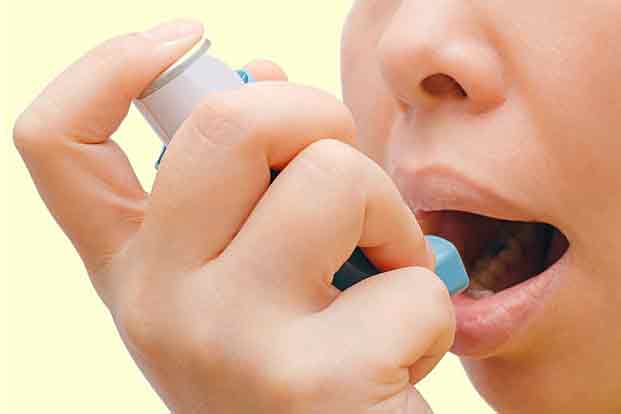
Cold air and its triggering affect:
- Varying temp can aggravate asthma. Cold air can trigger an asthma attack. Cold air is less humid air it causes dryness to airways which lead to irritation and inflammation of airways.
- In asthmatics especially those with exercise-induced asthma their symptoms worsen when they exercising outside when the weather is cold. Rapid breathing of cold dry air trigger asthma.
- Cold airways stimulate airways to produce histamine which triggers wheezing and asthma symptoms.
- Cold air affects the respiratory system in many ways.
Mucus Transport– Entire respiratory systems coated with a thin layer of mucus called mucus blanket. This mucus rest on tiny hairs called cilia. Cilia protect the lungs by trapping particle and organisms. This renders mucus blanket in constant motion and moves particles out. Cigarette smoke, chemicals and cold air alter the effectiveness of mucus blanket. Cold air makes the mucus thicker which leads to obstruction of the airways.
The Nose– Nose condition inhaled air. There are tiny blood vessels in the nose which warm the air. Cold air causes nasal mucus to become thick which cause nasal congestion.
The Lungs– Although mucus blanket and the nose protect the lungs but cold air can still reach the lungs. The lungs release histamine which causes bronchoconstriction and wheezing.
Winters are to blame for asthmatic attacks too:
Indoor air quality is worse during the winter season. In winter season closed doors and windows need to be sealed tightly against cold. This prevents air circulation causing a higher concentration of indoor allergens.
Triggers are a part of everyday life can be triggered by mould, dust on curtain or dust mites live in blankets pillow or child’s soft toys. Removing active mould by cleaning of blankets, pillow, identifying triggers and minimise exposure to allergens could greatly reduce the impact as winter asthma triggers. Taking control of the poor winter indoor air quality will keep both allergy and asthma attacks at a minimum.