
Breast Cancer in Women: Early Signs, Causes, Stages & Treatment
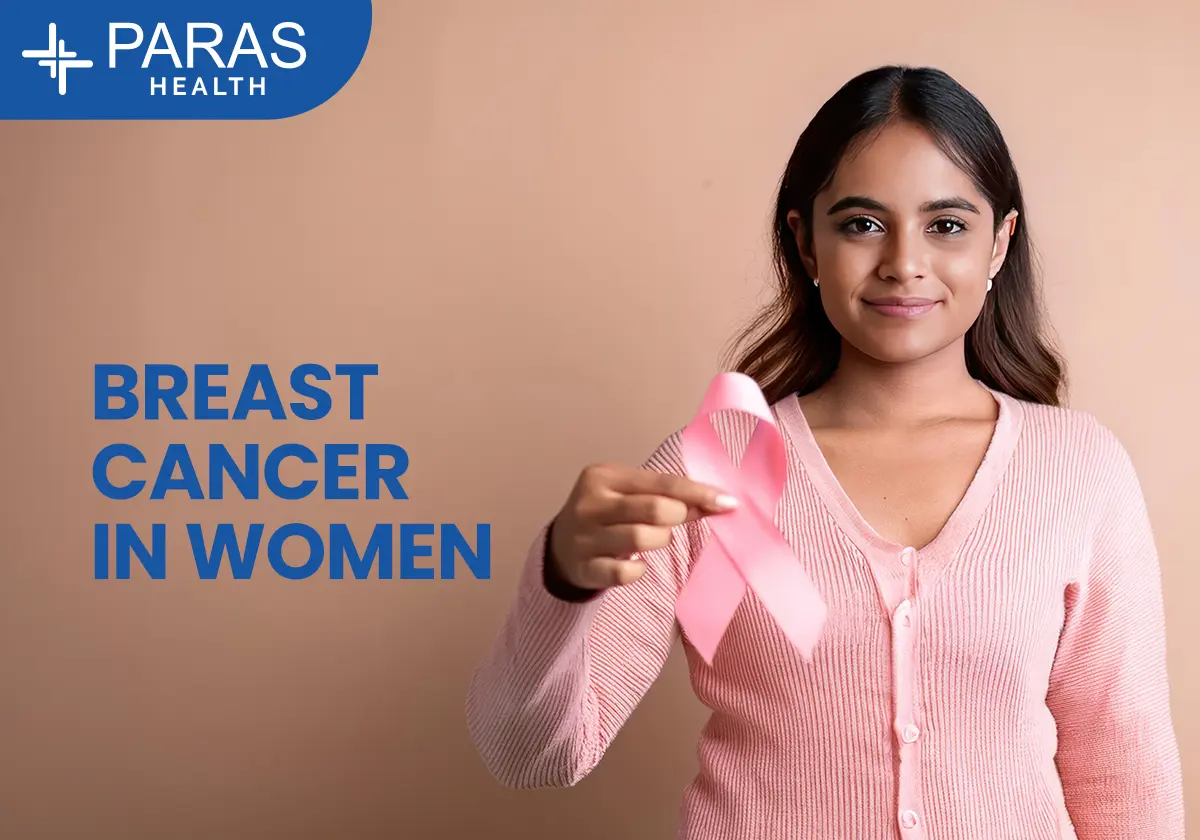
TABLE OF CONTENTS
- What Is Breast Cancer in Women?
- Early Signs of Breast Cancer in Women
- Causes of Breast Cancer in Women
- Types of Breast Cancer in Women
- Stages of Breast Cancer in Women
- How Is Breast Cancer Diagnosed?
- Treatment for Breast Cancer in Women
- Survival Rate of Breast Cancer in Women
- Prevention and Risk Reduction
- Emotional and Mental Impact of Breast Cancer
- Key Facts About Breast Cancer in Women
- Conclusion
- FAQs

Breast cancer in women is one of the most common cancers worldwide. But the most important thing to remember is this — early detection of breast cancer saves lives. When breast cancer is diagnosed at an early stage, treatment is more effective and survival rates are significantly higher.
If you often search for:
- “What are the early signs of breast cancer in women?”
- “What causes breast cancer?”
- “What are the stages of breast cancer?”
- “Is breast cancer curable?”
- “What is the treatment for breast cancer?”
This detailed, easy-to-understand guide explains everything about breast cancer in women — from early signs and causes to stages and treatment options.
What Is Breast Cancer in Women?
Breast cancer in women occurs when cells in the breast grow abnormally and form a lump or tumor. These abnormal cells may stay in one place or spread to nearby lymph nodes and other parts of the body.
Breast cancer usually begins in:
- Milk ducts (ductal carcinoma – most common)
- Milk-producing glands (lobular carcinoma)
- Surrounding breast tissue
Breast cancer can affect women of any age, but the risk increases after 40 years.
Early Signs of Breast Cancer in Women
Many women ask, “What are the early signs of breast cancer?” The answer is important because early-stage breast cancer often does not cause pain.
Common Early Signs and Symptoms of Breast Cancer
- A new lump in the breast or underarm
- Thickening in any part of the breast
- Change in breast size or shape
- Dimpling or puckering of the skin
- Nipple turning inward
- Nipple discharge, especially bloody discharge
- Redness, scaling, or irritation around the nipple
Persistent breast pain (less common but possible)
Causes of Breast Cancer in Women
Many women ask, “What causes breast cancer?” The truth is that there is no single cause of breast cancer. It usually develops due to a combination of genetic, hormonal, and lifestyle factors.
Major Causes and Risk Factors of Breast Cancer
1. Age
The risk of breast cancer increases with age, especially after 50 years.
2. Family History of Breast Cancer
If a mother, sister, or daughter had breast cancer, the risk is higher.
3. Genetic Mutations
Inherited mutations like BRCA1 and BRCA2 genes increase the risk of breast cancer significantly.
4. Hormonal Factors
- Early menstruation (before age 12)
- Late menopause (after 55)
- Hormone replacement therapy
- Not having children or late pregnancy
5. Lifestyle Factors
- Obesity
- Lack of physical activity
- Smoking
- Alcohol consumption
6. Radiation Exposure
Previous radiation therapy to the chest area increases the risk.
Understanding the causes of breast cancer helps women make informed lifestyle choices.
Types of Breast Cancer in Women
Understanding the type of breast cancer helps doctors decide the right treatment.
Common Types of Breast Cancer
- Ductal Carcinoma In Situ (DCIS) – Early, non-invasive breast cancer
- Invasive Ductal Carcinoma (IDC) – Most common type of breast cancer
- Invasive Lobular Carcinoma (ILC)
- Triple-Negative Breast Cancer – Aggressive but treatable
- Inflammatory Breast Cancer – Rare and fast-growing
Each type of breast cancer may behave differently, which is why diagnosis is important.
Stages of Breast Cancer in Women
Breast cancer stages describe how far the cancer has spread.
Stage 0 Breast Cancer
Non-invasive cancer confined to milk ducts.
Stage 1 Breast Cancer
Small tumor, no or minimal spread to lymph nodes.
Stage 2 Breast Cancer
Cancer has spread to nearby lymph nodes.
Stage 3 Breast Cancer
Larger tumor with more lymph node involvement.
Stage 4 Breast Cancer
Cancer has spread to distant organs such as bones, lungs, liver, or brain.
The earlier the stage of breast cancer, the better the treatment outcome.
How Is Breast Cancer Diagnosed?
Early diagnosis of breast cancer improves survival rates.
1. Breast Self-Examination
Women should examine their breasts monthly for lumps or changes.
2. Clinical Breast Examination
Performed by a doctor during routine check-ups.
3. Mammography
A mammogram is a special X-ray that detects early breast cancer, even before symptoms appear.
4. Breast Ultrasound
Used to check whether a lump is solid or fluid-filled.
5. Biopsy
A small tissue sample is removed and tested to confirm breast cancer.
6. MRI Scan
Used in high-risk women or complex cases.
If you notice early signs of breast cancer, do not delay testing.
Treatment for Breast Cancer in Women
Breast cancer treatment depends on the stage, type, and overall health of the patient.
1. Surgery for Breast Cancer
- Lumpectomy – Removal of tumor only
- Mastectomy – Removal of the entire breast
Surgery is often the first step in breast cancer treatment.
2. Chemotherapy
Chemotherapy uses medicines to kill cancer cells. It may be given before or after surgery.
3. Radiation Therapy
Radiation therapy uses high-energy rays to destroy cancer cells.
4. Hormone Therapy
Hormone therapy blocks hormones like estrogen that fuel certain types of breast cancer.
5. Targeted Therapy
Targeted therapy attacks specific proteins in cancer cells, reducing damage to healthy cells.
Most women receive a combination of breast cancer treatments.
Can Breast Cancer Be Cured?
If breast cancer is detected early (Stage 0 or Stage 1), it is highly treatable and often curable. Advanced breast cancer can also be managed effectively with modern treatment options.
Early detection and timely treatment make a major difference.
Survival Rate of Breast Cancer in Women
Survival rate depends on the stage at diagnosis.
Approximate 5-Year Survival Rates:
- Stage 0–1: Over 90–95%
- Stage 2: Around 80–90%
- Stage 3: Around 60–80%
- Stage 4: Around 25–35%
This clearly shows why early diagnosis of breast cancer is so important.
Prevention and Risk Reduction
Although breast cancer cannot always be prevented, risk can be reduced.
Tips to Reduce Breast Cancer Risk
- Maintain healthy weight
- Exercise regularly
- Avoid smoking
- Limit alcohol intake
- Breastfeed if possible
- Get regular mammograms
- Undergo genetic testing if high risk
A healthy lifestyle supports breast cancer prevention.
Emotional and Mental Impact of Breast Cancer
Breast cancer in women affects more than just physical health.
Common emotional challenges include:
- Anxiety
- Fear
- Body image concerns
- Depression
Counseling, family support, and patient support groups are important during treatment and recovery.
Key Facts About Breast Cancer in Women
- Breast cancer is the most common cancer in women worldwide.
- Early-stage breast cancer may not cause pain.
- Mammograms can detect breast cancer before symptoms appear.
- Not all breast lumps are cancerous.
- Early detection significantly improves survival rate.
- Men can also develop breast cancer (rare but possible).
Lifestyle changes can reduce breast cancer risk.
Conclusion
Breast cancer in women is a serious condition, but early signs of breast cancer should never be ignored. Understanding the causes of breast cancer, recognizing symptoms early, knowing the stages of breast cancer, and seeking timely treatment can save lives.
Regular screening, monthly breast self-examination, and a healthy lifestyle are powerful tools in fighting breast cancer.
FAQs
What are the first early signs of breast cancer in women?
The first early sign is usually a painless lump in the breast or underarm. Skin changes or nipple discharge may also occur.
What causes breast cancer in women?
Breast cancer is caused by genetic, hormonal, age-related, and lifestyle factors such as obesity and smoking.
Is breast cancer painful in early stages?
No, early-stage breast cancer often does not cause pain.
What are the stages of breast cancer?
Breast cancer stages range from Stage 0 (non-invasive) to Stage 4 (spread to distant organs).
Is breast cancer curable?
Yes, breast cancer is highly treatable and often curable if detected early.
At what age should women start mammograms?
Women above 40 should get annual mammograms or earlier if high risk.
Can young women get breast cancer?
Yes, although less common, breast cancer can occur in women under 40.
How long does breast cancer treatment last?
Treatment may last several months depending on stage and therapy type.
Can lifestyle changes prevent breast cancer?
Lifestyle changes reduce risk but do not guarantee prevention.
What should I do if I find a lump in my breast?
Consult a doctor immediately for proper evaluation and diagnosis.