
Why Cucumber Is One of the Best Foods to Eat in Summer
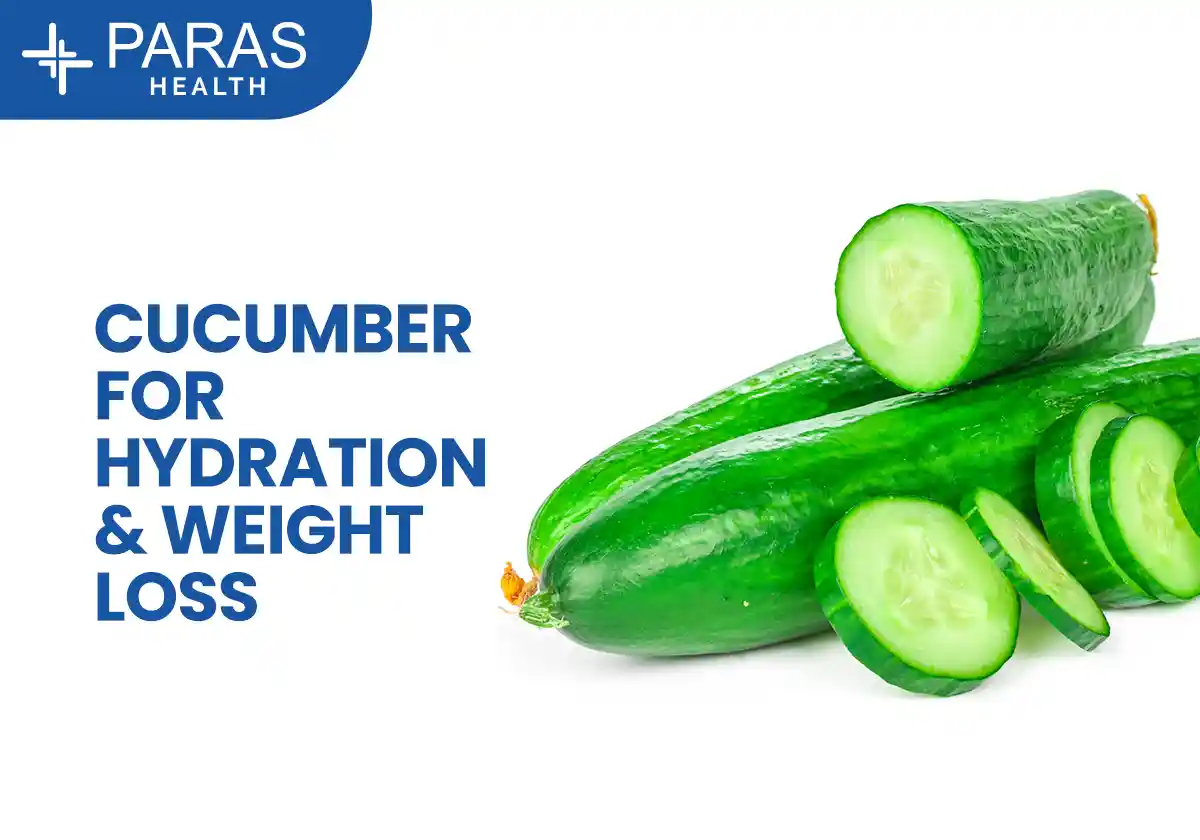

The health benefits of cucumber go beyond hydration. Cucumber is naturally low in calories, rich in water, and contains important nutrients that support digestion, gut health, weight management, skin health, and overall wellness. It is especially useful during Indian summers when dehydration, acidity, fatigue, and digestive discomfort become common.
Many people think cucumber is “just water,” but that is not entirely true. While it contains nearly 95% water, it also provides antioxidants, fiber, potassium, vitamin K, and plant compounds that may support metabolism, heart health, and immunity when included as part of a balanced diet.
This article explains the nutritional value of cucumber, its scientifically supported benefits, who should consume it, the best time to eat it, and practical ways to include it in your daily Indian diet.
Nutritional Value of Cucumber (Per 100 grams)
The cucumber nutritional value is impressive despite being very low in calories.
|
Nutrient |
Approximate Value |
|
Calories |
15 kcal |
|
Water Content |
95% |
|
Carbohydrates |
3.6 g |
|
Fiber |
0.5 g |
|
Protein |
0.7 g |
|
Fat |
0.1 g |
|
Potassium |
147 mg |
|
Vitamin K |
16 mcg |
|
Vitamin C |
2.8 mg |
|
Magnesium |
13 mg |
Cucumber is considered one of the best high water content foods and low calorie vegetables, making it useful for hydration and healthy eating patterns.
It also contains antioxidants such as flavonoids and tannins that may help reduce oxidative stress in the body.
Health Benefits of Cucumber
1. Supports Hydration and Prevents Dehydration
One of the biggest cucumber benefits is hydration. During hot weather, many people experience headaches, fatigue, low energy, constipation, and dizziness because they do not drink enough fluids.
Since cucumber contains mostly water and small amounts of electrolytes, it can help maintain fluid balance naturally.
People who work outdoors, travel frequently, exercise, or fast during summer often benefit from including cucumber in meals.
Adding cucumber to daily meals may support:
- Better hydration
- Reduced body heat
- Improved energy levels
- Better digestion during summer
This is why cucumber is often included among the best cooling foods for body and summer detox foods.
2. Helps in Weight Loss and Appetite Control
Cucumber is commonly recommended in hospital diet plans for healthy weight management because it is:
- Low in calories
- Filling due to water content
- Easy to digest
- Helpful for portion control
Many people snack on fried foods or sugary items between meals. Replacing those snacks with cucumber slices, cucumber salad, or cucumber water may help reduce unnecessary calorie intake.
The benefits of cucumber for weight loss are most effective when combined with:
- Regular physical activity
- Balanced meals
- Adequate protein intake
- Reduced ultra-processed foods
Cucumber alone does not “burn fat,” but it can support healthy eating habits and calorie control.
3. Supports Digestion and Gut Health
People with acidity, bloating, constipation, or irregular bowel habits often tolerate cucumber well because it is light and water-rich.
The fiber and water content may support:
- Smoother bowel movement
- Better digestion
- Reduced constipation risk
- Improved gut hydration
However, a common mistake people make is eating too much cucumber late at night or consuming it with excessive salt and packaged dressings, which may worsen bloating in some individuals.
For people with sensitive digestion, moderate intake works best.
The cucumber benefits for digestion are particularly useful during summer months when dehydration can slow bowel movement.
4. May Support Heart Health and Blood Pressure
Cucumber contains potassium, an important mineral involved in fluid balance and blood pressure regulation.
A diet rich in fruits, vegetables, and heart healthy vegetables may help support cardiovascular health over time.
People with high salt intake, processed food consumption, or low vegetable intake may benefit from including cucumber regularly as part of a balanced heart-friendly diet.
Still, cucumber should not replace prescribed treatment for hypertension or heart disease.
5. Helps Support Healthy Skin
Traditionally, cucumber has been used for skin cooling and hydration. Modern skincare and nutrition science also recognize its role in supporting skin health.
The cucumber benefits for skin may include:
- Better hydration
- Cooling effect on skin
- Reduced puffiness around eyes
- Support for skin freshness
Since skin health is closely linked with hydration, sleep, stress, and overall nutrition, cucumber works best when combined with healthy lifestyle habits.
6. May Help People with Diabetes Make Healthier Food Choices
Cucumber is low in calories and has a low glycemic load, making it suitable for many people with diabetes when eaten in moderation.
The cucumber benefits for diabetes mainly come from:
- Low calorie content
- Better satiety
- Reduced unhealthy snacking
- Improved hydration
However, people with diabetes should focus on overall meal balance rather than relying on a single food.
7. Supports Detoxification Naturally
Many social media trends exaggerate “detox diets,” but the human body already has natural detox systems involving the liver, kidneys, lungs, and digestive tract.
Cucumber can support hydration, which indirectly helps these systems function properly.
This is why cucumber detox water and cucumber infused water are popular during summer. They encourage fluid intake without added sugar.
Who Should Consume Cucumber?
Cucumber can be a healthy addition for:
- People trying to lose weight
- Individuals with low water intake
- Office workers with sedentary lifestyles
- People experiencing constipation
- Children during summer
- Older adults needing hydration support
- People wanting healthy snack alternatives
- Individuals looking for healthy summer foods
However, people with severe kidney disease or fluid restrictions should consult their doctor or dietitian before making major dietary changes.
Best Time to Consume Cucumber
The best time to eat cucumber depends on individual digestion and eating habits.
Generally Recommended Times:
- Mid-morning snack
- With lunch
- As evening salad
- Before meals for portion control
- During summer afternoons
Many dietitians recommend avoiding very large amounts late at night if it causes bloating or frequent urination.
The benefits of cucumber on empty stomach may include improved hydration and freshness for some people, but there is no medical rule that it must be eaten this way.
How Much Cucumber Is Safe Per Day?
For most healthy adults, 1–2 medium cucumbers per day are generally safe as part of a balanced diet.
Moderation is important because excessive intake may cause:
- Bloating
- Gas
- Frequent urination
- Digestive discomfort in sensitive individuals
Instead of relying heavily on one food, hospitals and nutrition experts recommend eating a variety of vegetables for better nutrient diversity.
Possible Side Effects or Precautions
Although cucumber is healthy for most people, certain precautions are important.
Some people may experience:
- Mild bloating
- Gas formation
- Digestive discomfort
- Allergy (rare)
Important Dietary Precautions:
- Wash cucumber properly before eating
- Avoid excess salt on cucumber
- Avoid packaged creamy dressings regularly
- People with kidney disease should discuss potassium intake with doctors
- Avoid replacing complete meals with only cucumber salads
One common mistake during weight loss is eating only cucumber and skipping balanced meals. This may lead to weakness, poor protein intake, and nutritional imbalance.
Healthy Ways to Include Cucumber in Daily Diet
Simple Indian Diet Ideas:
- Add cucumber to dal-chawal meals
- Include in curd raita
- Prepare cucumber mint buttermilk
- Add to sandwiches and wraps
- Eat with roasted chana as a healthy snack
- Use in salad with lemon and black pepper
- Add to detox water
- Mix with sprouts for extra protein and fiber
Healthy Combination Tips:
Pair cucumber with:
- Protein sources
- Healthy fats
- Seasonal vegetables
- Whole grains
This improves meal balance and satiety.
Conclusion
The health benefits of cucumber make it one of the simplest and most practical foods to include in an Indian diet. It is affordable, easily available, hydrating, and suitable for many age groups.
From supporting hydration and digestion to helping with weight management and healthy snacking, cucumber fits well into preventive healthcare and balanced nutrition practices.
FAQs
What are the benefits of eating cucumber daily?
Eating cucumber daily may support hydration, digestion, weight management, and healthy eating habits because it is low in calories and rich in water.
Is cucumber good for weight loss?
Yes, cucumber can support weight loss because it is filling and low in calories. However, it works best with a balanced diet and exercise.
Can people with diabetes eat cucumber daily?
Most people with diabetes can include cucumber in moderation as part of a balanced meal plan. It is low in calories and has minimal impact on blood sugar.
Is cucumber good for digestion?
Yes, the water and fiber content in cucumber may help support digestion and bowel regularity.
What is the best time to eat cucumber?
Cucumber is commonly eaten during the daytime, with meals or as a snack. Some people may avoid eating large amounts late at night if it causes bloating.
Does cucumber help with hydration?
Yes. Since cucumber contains about 95% water, it helps support hydration, especially during hot weather.
Can cucumber improve skin health?
Cucumber may support skin hydration and freshness because of its water content and antioxidants.
Is cucumber good for heart health?
Cucumber contains potassium and is part of a vegetable-rich diet that supports heart health and blood pressure balance.
How much cucumber should I eat daily?
For most healthy adults, 1–2 medium cucumbers per day is generally considered safe.
Are there any side effects of eating too much cucumber?
Excess cucumber intake may cause bloating, gas, or digestive discomfort in some people.



 Eng .webp)