
Zucchini Benefits: A Simple Guide to Nutrition, Health & Everyday Use

Looking for a healthy vegetable that supports weight loss, improves digestion, and fits easily into your daily meals? Many people struggle to find foods that are both nutritious and easy to cook. This is where zucchini comes in.
Known for its light taste and versatility, zucchini offers multiple health benefits without adding extra calories. Whether you're managing weight, diabetes, or simply trying to eat healthier, adding zucchini to your diet can be a smart choice.
What is Zucchini?
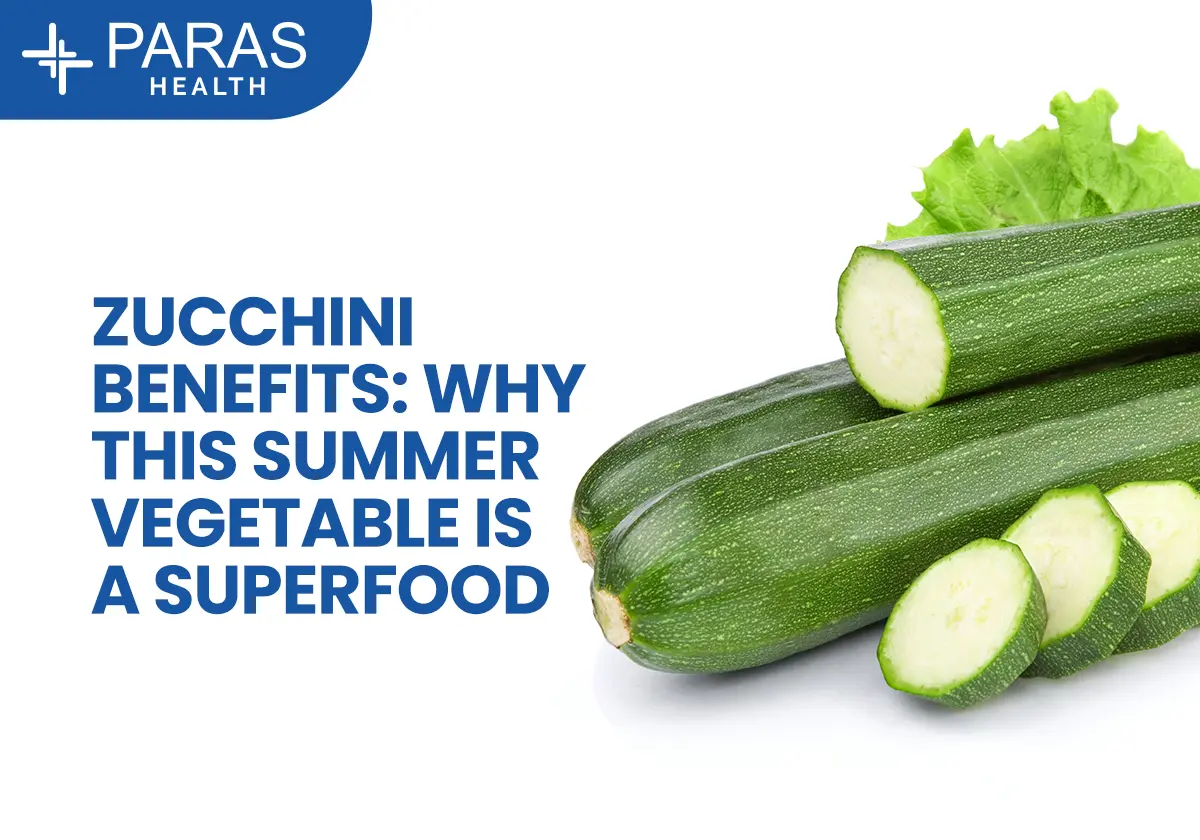
Zucchini, also known as courgette, is a type of summer squash. It belongs to the same family as pumpkin and cucumber.
It is usually green in color, but you may also find yellow zucchini. It has a soft texture and mild taste, making it easy to include in Indian dishes like sabzi, paratha, or even soups.
Zucchini Nutritional Value
Zucchini is low in calories but rich in essential nutrients.
Basic nutrition (per 100 grams):
- Calories: ~17 kcal (low calorie vegetable)
- Carbohydrates: ~3 g
- Fiber: ~1 g
- Protein: ~1.2 g
- Fat: ~0.3 g
Key nutrients:
- Vitamin C (supports immunity)
- Vitamin A (good for eyes and skin)
- Potassium (supports heart health)
- Antioxidants like lutein and zeaxanthin
This is why zucchini is often recommended in weight loss diets and diabetes-friendly meals.
Key Health Benefits of Zucchini
1. Supports Weight Loss
Zucchini is low in calories and high in water content, making it ideal for weight management.
- Helps you feel full for longer
- Reduces overall calorie intake
- Can be used as a substitute for high-carb foods
This makes zucchini a popular choice in zucchini diet plans and weight loss recipes.
2. Good for Digestion
Zucchini contains fiber and water, which support healthy digestion.
- May help prevent constipation
- Supports gut health
- Easy to digest compared to many vegetables
3. Helps Manage Blood Sugar (Diabetes-Friendly)
Zucchini has a low glycemic index, meaning it does not cause sudden spikes in blood sugar.
- Suitable for people with diabetes
- Supports stable blood sugar levels
- Low in carbs
This is why zucchini is considered good for diabetics.
4. Supports Heart Health
Zucchini contains potassium and antioxidants that support heart function.
- Helps manage blood pressure
- May reduce cholesterol levels
- Supports overall cardiovascular health
5. Improves Eye Health
Zucchini is rich in antioxidants like lutein and zeaxanthin, which are beneficial for the eyes.
- May reduce risk of eye strain
- Supports long-term eye health
6. Benefits Skin and Hair
The vitamins and antioxidants in zucchini support healthy skin and hair.
- May promote glowing skin
- Helps fight oxidative stress
- Supports hydration
How to Consume Zucchini
Best Ways to Eat:
- Add to sabzi with light spices
- Use in soups or stir-fries
- Make zucchini paratha or chilla
- Add to salads (raw zucchini benefits)
- Use as noodles (zoodles) for weight loss
Quantity:
- 1 small bowl (100–150 g) per day is generally safe
Tips:
- Avoid overcooking to preserve nutrients
- Wash properly before use
- Eat with skin for maximum fiber
Who Should Avoid Zucchini?
Zucchini is safe for most people, but some should be cautious:
- People with allergies to squash family vegetables
- Individuals with sensitive digestion (may cause bloating in rare cases)
- Patients with specific medical conditions should consult a doctor
Possible Side Effects of Zucchini
Zucchini is generally safe, but in rare cases:
- May cause mild bloating or gas
- Bitter zucchini (rare) should not be consumed as it may contain harmful compounds
- Excess intake may lead to digestive discomfort
Always consume in moderation.
Key Facts
- Combine zucchini with other vegetables for balanced nutrition
- Use minimal oil while cooking
- Include it in lunch or dinner for better digestion
- Ideal for low-carb and diabetic-friendly diets
- Great option for kids due to its mild taste
Conclusion
Zucchini is a simple, affordable, and highly nutritious vegetable that fits well into the Indian diet. From supporting weight loss and digestion to helping manage diabetes and heart health, its benefits are practical and easy to achieve.
Adding zucchini to your meals regularly can be a smart step toward healthier eating—just remember to consume it in moderation and as part of a balanced diet.
FAQs
Is zucchini good for health?
Yes, zucchini is rich in nutrients and may support digestion, heart health, and weight management.
Can we eat zucchini daily?
Yes, in moderate amounts, zucchini can be included daily as part of a balanced diet.
Is zucchini good for weight loss?
Yes, it is low in calories and helps you feel full, which may support weight loss.
Is zucchini good for diabetes?
Yes, zucchini has a low glycemic index and may help manage blood sugar levels.
Is zucchini better raw or cooked?
Both are beneficial. Raw zucchini retains more nutrients, while cooked is easier to digest.
Does zucchini help in digestion?
Yes, its fiber and water content may support healthy digestion.
Is zucchini good for heart health?
Yes, potassium and antioxidants in zucchini may support heart function.
Can pregnant women eat zucchini?
Yes, but it’s best to consume fresh and properly cooked zucchini after consulting a doctor.
What happens if you eat zucchini every day?
It may support overall health, but variety in diet is important.
Is zucchini good for skin?
Yes, antioxidants in zucchini may help maintain healthy skin.



 Eng .webp)