
Insulin Resistance: Early Sign, Symptoms, Causes & Treatment
TABLE OF CONTENTS
- What Is Insulin Resistance?
- What Happens in the Body During Insulin Resistance?
- Causes of Insulin Resistance
- Early Signs and Symptoms of Insulin Resistance
- How Is Insulin Resistance Diagnosed?
- Insulin Resistance and Its Link to Other Conditions
- Can Insulin Resistance Be Reversed?
- Best Diet for Insulin Resistance
- Natural Ways to Reduce Insulin Resistance
- Myths vs Facts About Insulin Resistance
- When Should You See a Doctor?
- Key Facts About Insulin Resistance
- Conclusion
- FAQs

You may not feel it. You may not notice it. But insulin resistance could quietly be affecting your health.
Today, many people experience unexplained weight gain, constant fatigue, or sugar cravings—and often ignore these signs. What most don’t realize is that these could be early symptoms of insulin resistance, a condition that can eventually lead to type 2 diabetes, heart disease, and other metabolic problems.
The good news? Insulin resistance is manageable—and even reversible—if detected early and addressed correctly.
Let’s break it down in simple terms so you can understand what’s happening in your body and what you can do about it.
What Is Insulin Resistance?
Insulin resistance is a condition where your body’s cells stop responding properly to insulin—a hormone that helps control blood sugar levels.
Normally, insulin allows glucose (sugar) to enter your cells and provide energy. But when your body becomes resistant to insulin:
- Your cells don’t respond effectively
- Your pancreas produces more insulin
- Blood sugar levels start rising
Over time, this can lead to prediabetes and eventually type 2 diabetes.
In simple words:
Insulin resistance means your body needs more insulin than normal to keep blood sugar under control.
What Happens in the Body During Insulin Resistance?
When insulin resistance develops:
- Glucose stays in your bloodstream instead of entering cells
- Your body produces excess insulin (hyperinsulinemia)
- Fat storage increases, especially around the abdomen
- Energy levels drop, leading to fatigue
This condition is also closely linked with metabolic syndrome, a group of disorders that increase the risk of heart disease.
Causes of Insulin Resistance
Insulin resistance doesn’t happen overnight. It develops gradually due to a mix of lifestyle and genetic factors.
Common Causes Include:
- Obesity and belly fat (especially abdominal fat)
- Sedentary lifestyle (lack of physical activity)
- Poor diet (high sugar, processed foods, refined carbs)
- Genetic predisposition
- Hormonal imbalance, especially in PCOS
- Chronic stress
- Sleep disorders or poor sleep quality
Early Signs and Symptoms of Insulin Resistance
Many people don’t notice symptoms in the early stages. But your body often gives subtle signals.
Early Symptoms:
- Feeling tired after meals
- Frequent hunger
- Strong sugar cravings
Advanced Symptoms:
- Weight gain, especially around the belly
- Difficulty losing weight
- Dark patches on skin (neck, underarms – acanthosis nigricans)
- Brain fog or lack of focus
If you notice these signs consistently, it’s worth getting evaluated.
Who Is at Risk?
You may be at higher risk of insulin resistance if you:
- Are overweight or obese
- Have a family history of diabetes
- Have PCOS (Polycystic Ovary Syndrome)
- Have high blood pressure or cholesterol
- Lead a sedentary lifestyle
How Is Insulin Resistance Diagnosed?
There is no single test, but doctors use a combination of tests to assess insulin resistance:
Common Tests:
- Fasting insulin test
- Fasting blood glucose test
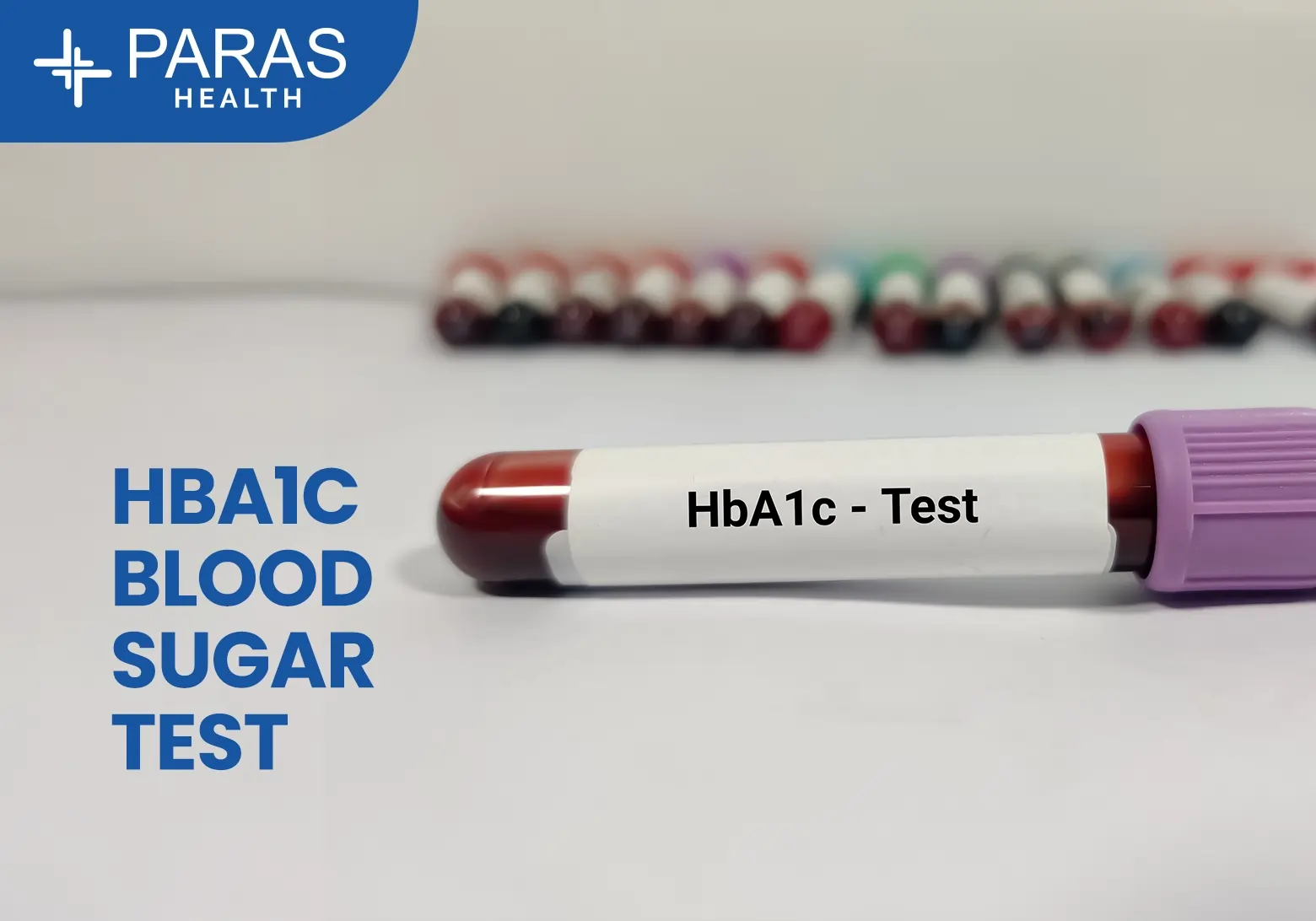
- HbA1c test (average sugar levels over 3 months)
- HOMA-IR calculation
- Oral glucose tolerance test (OGTT)
Early diagnosis helps prevent progression to diabetes.
Insulin Resistance and Its Link to Other Conditions
If left unmanaged, insulin resistance can lead to:
- Prediabetes
- Type 2 diabetes
- Metabolic syndrome
- PCOS in women
- Heart disease
This is why early lifestyle correction is crucial.
Can Insulin Resistance Be Reversed?
Yes—in most cases, insulin resistance can be reversed, especially when caught early.
The key lies in:
- Improving insulin sensitivity
- Reducing excess weight
- Making consistent lifestyle changes
It’s not about quick fixes—it’s about sustainable habits.
Best Diet for Insulin Resistance
Your diet plays the biggest role in managing insulin resistance.
Foods to Eat:
- High-fiber foods (vegetables, fruits, whole grains)
- Lean protein (dal, paneer, eggs, chicken)
- Healthy fats (nuts, seeds, olive oil)
- Low glycemic index foods
Foods to Avoid:
- Refined sugar and sweets
- White bread, maida, bakery items
- Sugary drinks and packaged juices
- Processed and fried foods
Focus on balanced meals with protein + fiber to prevent blood sugar spikes.
Lifestyle Changes to Improve Insulin Sensitivity
Small changes can make a big difference.
What Helps:
- Exercise regularly (30–45 mins daily)
- Combine strength training + cardio
- Maintain a healthy weight
- Sleep 7–8 hours daily
- Manage stress through yoga or meditation
Even walking after meals can improve blood sugar control.
Natural Ways to Reduce Insulin Resistance
Along with medical care, some natural strategies can help:
- Intermittent fasting (under guidance)
- Low-carb or controlled-carb diet
- Staying physically active throughout the day
- Drinking enough water
Myths vs Facts About Insulin Resistance
|
Myth |
Fact |
|
Only diabetics have insulin resistance |
It often starts before diabetes |
|
Thin people are safe |
Even lean individuals can have it |
|
Medication is enough |
Lifestyle is the main treatment |
|
Sugar alone causes it |
Overall lifestyle matters |
When Should You See a Doctor?
Consult a doctor if you experience:
- Unexplained weight gain
- Constant fatigue
- Strong sugar cravings
- Family history of diabetes
- PCOS symptoms
Early intervention can prevent long-term complications.
Key Facts About Insulin Resistance
- Insulin resistance is reversible in early stages
- It often develops silently without symptoms
- It is a major risk factor for type 2 diabetes
- Lifestyle changes are the most effective treatment
Conclusion
Insulin resistance may not show obvious symptoms at first, but its impact on long-term health can be significant. The key is awareness and early action.
By making simple lifestyle changes—like eating better, staying active, and managing stress—you can not only control insulin resistance but even reverse it.
FAQs
What is insulin resistance in simple terms?
It is when your body’s cells stop responding properly to insulin, causing higher blood sugar levels.
How do I know if I have insulin resistance?
Symptoms like fatigue, belly fat, and sugar cravings can indicate it, but tests are needed for confirmation.
Can insulin resistance be reversed permanently?
Yes, with consistent lifestyle changes like diet, exercise, and weight management.
What foods help reduce insulin resistance?
High-fiber foods, lean protein, and low glycemic index foods help improve insulin sensitivity.
Is insulin resistance dangerous?
If untreated, it can lead to diabetes, heart disease, and other serious conditions.
How long does it take to reverse insulin resistance?
It varies, but noticeable improvements can happen within a few weeks to months with proper habits.
Does exercise help insulin resistance?
Yes, regular exercise improves insulin sensitivity and helps control blood sugar levels.
Can insulin resistance cause weight gain?
Yes, especially around the abdomen due to hormonal imbalance.
Is insulin resistance the same as diabetes?
No, but it is a major risk factor that can lead to type 2 diabetes.
What is the best diet for insulin resistance?
A balanced diet rich in fiber, protein, and healthy fats with limited sugar and refined carbs.