
Knee Pain: Causes, Symptoms, Treatment & Relief Options
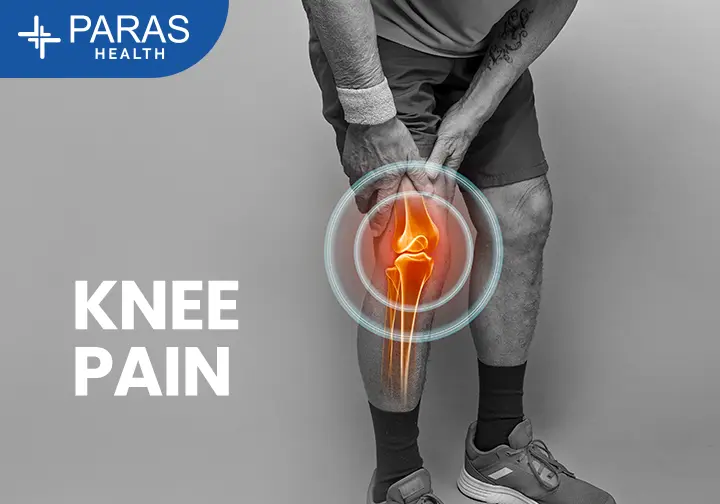
TABLE OF CONTENTS
- What Is Knee Pain?
- Common Symptoms of Knee Pain
- Where Does Knee Pain Occur?
- What Causes Knee Pain?
- Knee Pain by Age & Gender
- Common Knee Conditions Linked to Knee Pain
- How Is Knee Pain Diagnosed?
- Knee Pain Treatment Options
- Advanced Treatments for Knee Pain
- When Should You See a Doctor for Knee Pain?
- Which Doctor Treats Knee Pain?
- Prevention Tips for Knee Pain
- Key Facts About Knee Pain
- Conclusion
- FAQs on Knee Pain

Knee pain is one of the most common joint problems affecting people of all ages. From young athletes and working professionals to elderly individuals, knee joint pain can make simple daily activities like walking, climbing stairs, sitting, or standing extremely uncomfortable.
Some people experience a mild knee ache that comes and goes, while others suffer from persistent knee pain that worsens over time. The good news is that most knee pain cases can be treated effectively, especially when diagnosed early.
In this blog, we’ll explain what knee pain is, its causes, symptoms, diagnosis, treatment options, home remedies, exercises, and when to see a doctor—in simple, easy-to-understand language.
What Is Knee Pain?
Knee pain refers to discomfort, stiffness, or swelling in or around the knee joint. It may affect one knee or both and can range from mild knee discomfort to severe pain that limits movement.
The knee is a weight-bearing joint, which means it takes a lot of stress every day. Walking, running, bending, and climbing stairs all put pressure on the knee joint, making it vulnerable to injury, wear and tear, and degeneration.
Common Symptoms of Knee Pain
Knee pain does not feel the same for everyone. The symptoms often depend on the cause.
Pain During Movement
- Knee pain while walking
- Knee pain while climbing stairs
- Knee pain while running
- Knee pain while bending or squatting
Pain at Rest
- Knee pain while sitting
- Knee pain while standing
- Knee pain at night
Associated Symptoms
- Knee swelling and pain
- Knee stiffness, especially in the morning
- Clicking or cracking sound in the knee
- Knee locking or instability
- Weakness around the knee joint
Where Does Knee Pain Occur?
The location of knee pain often gives clues about the underlying problem.
- Front knee pain – Common in runner’s knee or patellar problems
- Back of knee pain – May be due to swelling or ligament issues
- Inner knee pain (medial knee pain) – Often linked to arthritis
- Outer knee pain (lateral knee pain) – Seen in ligament or cartilage injuries
- Pain below or above the knee – Related to tendons or muscles
What Causes Knee Pain?
Injury-Related Causes
- Sports injury knee pain
- Ligament tears (ACL, PCL)
- Meniscus tear
- Knee pain after fall or accident
Degenerative & Medical Causes
- Knee osteoarthritis
- Knee arthritis pain
- Cartilage wear and tear
- Knee degeneration due to aging
Lifestyle & Overuse Causes
- Knee pain due to obesity
- Knee pain due to overuse
- Knee pain after exercise
- Poor posture or improper footwear
Knee Pain by Age & Gender
- Knee pain in elderly: Mostly due to osteoarthritis and cartilage degeneration
- Knee pain in young adults: Often caused by sports injuries or overuse
- Knee pain in women: Hormonal changes, bone density issues, and arthritis
- Knee pain in athletes: Repetitive stress and ligament injuries
- Knee pain in overweight individuals: Extra weight increases joint pressure
Common Knee Conditions Linked to Knee Pain
- Knee osteoarthritis
- Rheumatoid arthritis knee pain
- Runner’s knee (patellofemoral pain syndrome)
- Jumper’s knee (patellar tendonitis)
- Knee bursitis
- Knee tendonitis
- Chondromalacia patella
- Meniscus tear
- Ligament injuries
How Is Knee Pain Diagnosed?
Doctors diagnose knee pain using a combination of:
- Physical examination of the knee joint
- X-ray to check bone alignment and arthritis
- MRI scan to detect ligament, cartilage, or meniscus damage
- Medical history and symptom evaluation
Early diagnosis helps prevent further joint damage and avoids surgery in many cases.
Knee Pain Treatment Options
Treatment depends on the cause, severity, age, and lifestyle of the patient.
Non-Surgical Treatment for Knee Pain
- Knee pain treatment without surgery
- Pain-relief medicines and gels
- Knee pain physiotherapy
- Knee braces and supports
- Lifestyle modifications
Home Remedies for Knee Pain
- Hot and cold therapy
- Oil massage
- Rest and activity modification
- Weight management
- Proper footwear
Exercises for Knee Pain
- Strengthening exercises for thigh muscles
- Gentle stretching exercises
- Low-impact activities like walking and swimming
- Avoid high-impact exercises if pain worsens
Advanced Treatments for Knee Pain
Injection-Based Treatments
- Knee pain injections
- Lubricating injections for arthritis
- PRP (Platelet-Rich Plasma) therapy
Surgical Treatments
- Knee arthroscopy
- Partial knee replacement
- Total knee replacement
- Robotic knee replacement
Surgery is usually recommended only when non-surgical treatments fail
When Should You See a Doctor for Knee Pain?
Consult a knee specialist or orthopedic doctor if:
- Knee pain lasts more than a few weeks
- There is severe swelling or redness
- Knee pain worsens over time
- Difficulty walking or standing
- Knee feels unstable or locked
Which Doctor Treats Knee Pain?
Knee pain is treated by:
- Orthopedic knee doctors
- Knee specialists
- Sports injury specialists
Choosing the right hospital and experienced orthopedic surgeon plays a key role in long-term relief.
Prevention Tips for Knee Pain
- Maintain a healthy body weight
- Strengthen thigh and leg muscles
- Warm up before exercise
- Avoid overuse of the knee joint
- Use correct posture and footwear
Key Facts About Knee Pain
- Most knee pain cases do not require surgery
- Early treatment prevents joint damage
- Weight loss significantly reduces knee pain
- Physiotherapy plays a major role in recovery
- Ignoring knee pain can worsen arthritis
- Knee replacement is a last-resort option
Conclusion
Knee pain can affect your mobility, independence, and quality of life—but it doesn’t have to. With the right diagnosis, timely treatment, and proper care, most people can manage knee pain effectively and avoid surgery.
If knee pain is limiting your daily activities, don’t ignore it. Early medical attention can make all the difference.
FAQs on Knee Pain
Why does my knee hurt while walking?
Knee pain while walking is often caused by arthritis, ligament strain, or cartilage wear.
What is the most common cause of knee pain?
Osteoarthritis is the most common cause, especially in people above 40.
Can knee pain be cured without surgery?
Yes, most knee pain cases improve with physiotherapy, medicines, and lifestyle changes.
Which exercises are best for knee pain?
Low-impact strengthening and stretching exercises are best for knee pain relief.
When should I see a doctor for knee pain?
If knee pain lasts more than two weeks or worsens, consult a doctor.
Is knee pain normal with age?
Mild knee pain can be common with age, but persistent pain needs evaluation.
How long does knee pain last?
Acute knee pain may resolve in weeks, while chronic pain may need long-term care.
Can obesity cause knee pain?
Yes, excess body weight puts extra pressure on knee joints and worsens pain.
What test is best for knee pain?
X-ray and MRI are the most common tests used to diagnose knee pain.
Is knee replacement the only option?
No, knee replacement is recommended only when all other treatments fail.