
Types of Arthritis Pain: Causes, Symptoms & Affected Joints
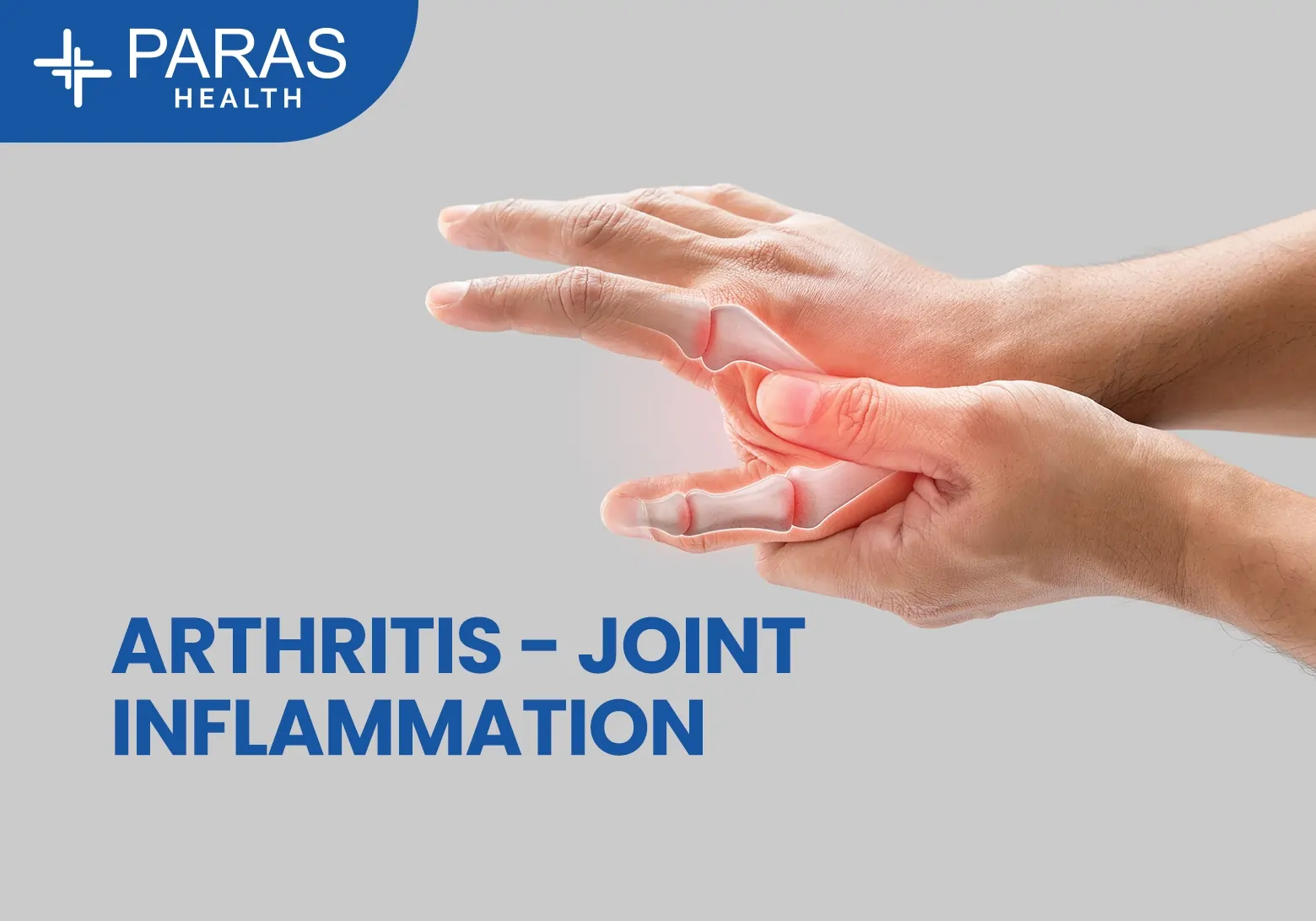

Joint pain that doesn’t go away, stiffness in the morning, swelling after simple activities—many people live with these symptoms without realizing they may be due to arthritis pain.
Arthritis is not a single disease. It is a broad term that includes multiple types of arthritis pain, each with different causes, pain patterns, and affected joints. Understanding the type of arthritis pain you have is the first step toward proper treatment and long-term relief.
In this blog, we explain all major types of arthritis pain, how they feel, which joints they affect, and when you should see a doctor—using clear, easy-to-understand language.
What Is Arthritis Pain?
Arthritis pain refers to pain, stiffness, swelling, or inflammation in one or more joints. It can be:
- Chronic arthritis pain (long-lasting)
- Inflammatory arthritis pain (due to immune system activity)
- Degenerative arthritis pain (due to wear and tear)
Most people experience arthritis joint pain that worsens with movement, rest, or weather changes. The intensity can range from mild discomfort to severe, disabling pain.
Common Types of Arthritis Pain
Osteoarthritis Pain
Osteoarthritis pain is the most common form of arthritis pain. It occurs due to gradual wear and tear of joint cartilage.
Common features:
- Pain that worsens with activity
- Stiffness after rest
- Reduced joint movement
Affected joints:
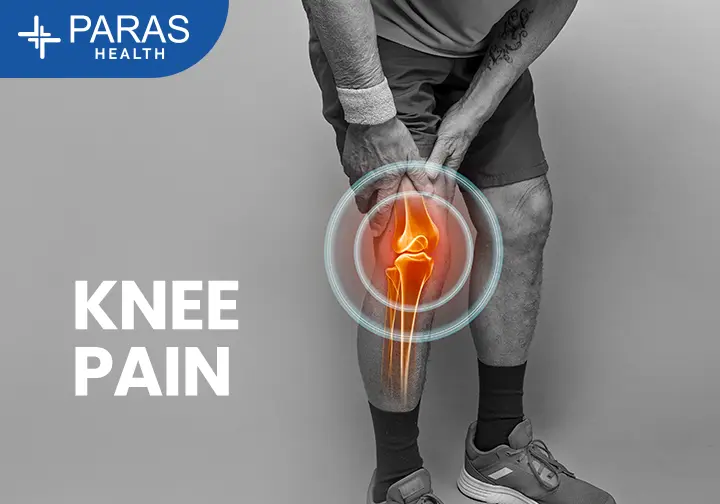
- Knee osteoarthritis pain
- Hip osteoarthritis pain
- Spine osteoarthritis pain
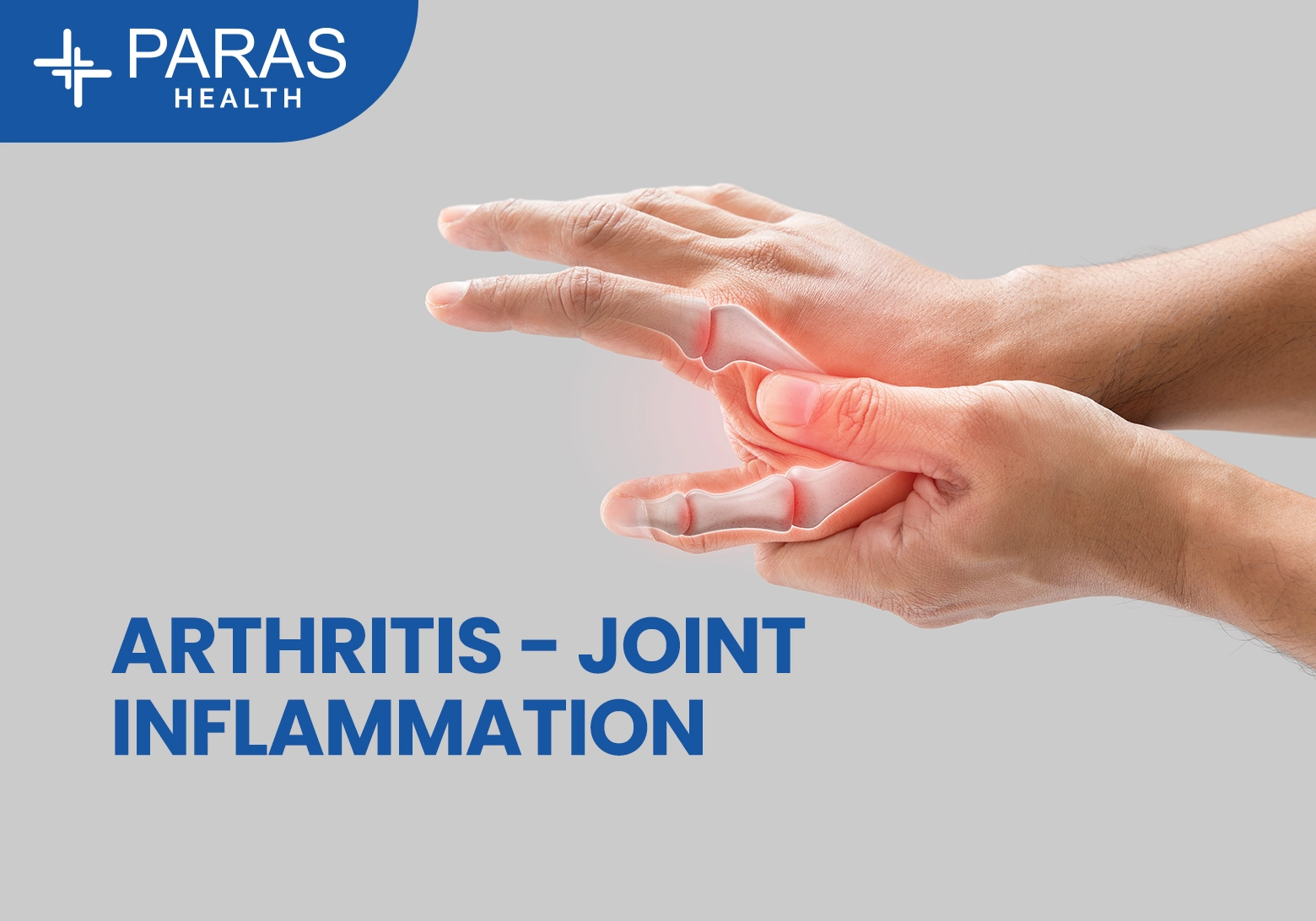
- Hand and finger joints
People often describe osteoarthritis stiffness pain as a “creaky” or grinding sensation, especially in the morning or after sitting for long periods.
Rheumatoid Arthritis Pain
Rheumatoid arthritis pain is an autoimmune condition where the immune system attacks the joints.
Common features:
- Inflammatory joint pain
- Pain on both sides of the body (symmetrical joint pain)
- Warm, swollen joints
- Severe morning stiffness
Affected joints:
- Rheumatoid arthritis hand pain
- Rheumatoid arthritis foot pain
- Wrist, elbow, and knee joints
Unlike osteoarthritis, rheumatoid arthritis pain can occur even at rest and may worsen over time if untreated.
Psoriatic Arthritis Pain
Psoriatic arthritis pain affects people who have psoriasis, a skin condition.
Common features:
- Joint pain with swelling
- Sausage-shaped fingers or toes
- Stiffness after inactivity
Affected areas:
- Psoriatic arthritis finger pain
- Psoriatic arthritis back pain
- Knees, ankles, and feet
Psoriatic arthritis swelling pain may flare up suddenly and subside, making early diagnosis important.
Gout Arthritis Pain
Gout arthritis pain is caused by high uric acid levels leading to crystal buildup in joints.
Common features:
- Sudden, severe pain
- Redness and warmth
- Intense tenderness
Affected joints:
- Gout toe pain (most common)
- Ankle and knee joints
People often describe gout flare pain as sharp and unbearable, often starting at night. It is one of the most painful forms of arthritis.
Ankylosing Spondylitis Pain
Ankylosing spondylitis pain mainly affects the spine and lower back.
Common features:
- Inflammatory back pain
- Pain improves with movement
- Stiffness in the morning
Affected areas:
- Spine arthritis pain
- Sacroiliac joint pain
- Neck and hips
Over time, untreated ankylosing spondylitis can lead to reduced spine flexibility.
Juvenile Arthritis Pain
Juvenile arthritis pain affects children and teenagers.
Common features:
- Joint swelling
- Morning stiffness
- Limping or reduced activity
Types include:
- Juvenile idiopathic arthritis pain
- Other forms of childhood arthritis pain
Early treatment is crucial to prevent joint damage and support normal growth.
Septic Arthritis Pain
Septic arthritis pain is caused by a joint infection and is a medical emergency.
Common features:
- Severe pain
- Fever
- Acute joint pain swelling
- Redness and warmth
This type of joint infection pain requires immediate medical care to prevent permanent joint damage.
Reactive Arthritis Pain
Reactive arthritis pain develops after an infection in another part of the body.
Common features:
- Joint pain after infection
- Swelling and stiffness
- Pain in knees, ankles, or feet
It is often referred to as arthritis after infection and may resolve over time with proper treatment.
Lupus Arthritis Pain
Lupus arthritis pain is linked to the autoimmune disease lupus.
Common features:
- Joint pain without permanent damage
- Swelling and stiffness
- Fatigue and fever
This form of autoimmune arthritis pain often comes and goes in flares.
Arthritis Pain by Affected Joint
Arthritis pain can also be classified by location:
- Knee arthritis pain
- Hip arthritis pain
- Shoulder arthritis pain
- Hand arthritis pain
- Finger arthritis pain
- Wrist arthritis pain
- Ankle arthritis pain
- Foot arthritis pain
- Neck arthritis pain
- Lower back arthritis pain
Knowing which joint is affected helps doctors identify the type of arthritis more accurately.
Symptoms & Characteristics of Arthritis Pain
Common signs across arthritis types include:
- Joint stiffness pain
- Joint swelling pain
- Joint inflammation pain
- Morning stiffness arthritis
- Arthritis pain at night
- Pain that flares and settles (arthritis flare pain)
The pattern and timing of pain are important clues for diagnosis.
Severity & Duration of Arthritis Pain
Arthritis pain may be:
- Mild arthritis pain – occasional discomfort
- Moderate arthritis pain – limits daily activities
- Severe arthritis pain – affects mobility and sleep
Some people experience long-term arthritis pain, while others have episodic flares.
When to See a Doctor for Arthritis Pain
You should consult a doctor if you have:
- Persistent joint pain lasting more than 2–3 weeks
- Severe swelling or redness
- Acute joint pain with fever
- Increasing stiffness or loss of movement
- Chronic joint pain affecting daily life
Early diagnosis can slow disease progression and improve quality of life.
Key Facts About Arthritis Pain
- Arthritis pain has many types, not one cause
- Inflammatory and degenerative arthritis feel different
- Morning stiffness often points to inflammatory arthritis
- Joint location helps identify arthritis type
- Early treatment can prevent joint damage
Conclusion
Understanding the types of arthritis pain helps you recognize symptoms early and seek the right treatment. Whether it’s wear-and-tear osteoarthritis, inflammatory rheumatoid arthritis, or sudden gout pain, each type needs a different approach.
If joint pain is affecting your daily life, don’t ignore it. Early diagnosis, proper care, and lifestyle changes can significantly reduce pain and improve mobility.
Healthy joints mean a healthier, more active life.
FAQs
What are the different types of arthritis pain?
There are many types, including osteoarthritis, rheumatoid arthritis, gout, psoriatic arthritis, and ankylosing spondylitis.
Which arthritis causes the most pain?
Gout arthritis and rheumatoid arthritis are often described as the most painful.
How is osteoarthritis pain different from rheumatoid arthritis pain?
Osteoarthritis is wear-and-tear related, while rheumatoid arthritis is autoimmune and inflammatory.
What does gout arthritis pain feel like?
Sudden, severe, burning pain—often starting at night.
Why is arthritis pain worse in the morning?
Inflammation and joint stiffness increase after rest.
Can arthritis pain affect the spine?
Yes, especially in ankylosing spondylitis and osteoarthritis.
Is arthritis pain always chronic?
Not always. Some types cause flare-ups with pain-free periods.
Can children get arthritis pain?
Yes, juvenile arthritis affects children and teenagers.
When is joint pain an emergency?
Sudden severe pain with fever or swelling may indicate septic arthritis.
Can arthritis pain be managed?
Yes, with early diagnosis, medication, lifestyle changes, and physiotherapy.