
Obesity: Causes, Symptoms, Diet & Treatment – Complete Guide

We’ve all seen it happen—busy schedules, quick meals, long sitting hours, and before you know it, the weight starts creeping up. Many people ignore it at first, thinking “it’s just a few extra kilos.” But obesity is more than just weight gain—it’s a serious health condition that can quietly affect your heart, hormones, and overall well-being.
In India, where lifestyle diseases are rising rapidly, obesity has become a common concern across all age groups—from children to working professionals. The good news? It is manageable and even reversible with the right approach.
Let’s understand obesity in a simple, practical way—so you can take control of your health before it becomes a bigger problem.
What is Obesity?
Obesity is a condition where excess body fat accumulates in the body to the extent that it starts affecting your health.
It is commonly measured using BMI (Body Mass Index):
- BMI above 25 = Overweight
- BMI above 30 = Obese
But obesity is not just about numbers. It’s about how fat impacts your organs, metabolism, and overall lifestyle.
Causes of Obesity
Obesity doesn’t happen overnight. It develops due to a mix of lifestyle, biological, and environmental factors.
Common Causes:
- Unhealthy eating habits (junk food, sugary drinks, processed food)
- Lack of physical activity
- Sedentary lifestyle (long sitting hours, desk jobs)
- Overeating or emotional eating
- Poor sleep patterns
- Stress and anxiety
- Hormonal imbalance (like thyroid issues, PCOS)
- Genetic factors
- Excess alcohol consumption
Symptoms of Obesity
Early Symptoms:
- Gradual weight gain
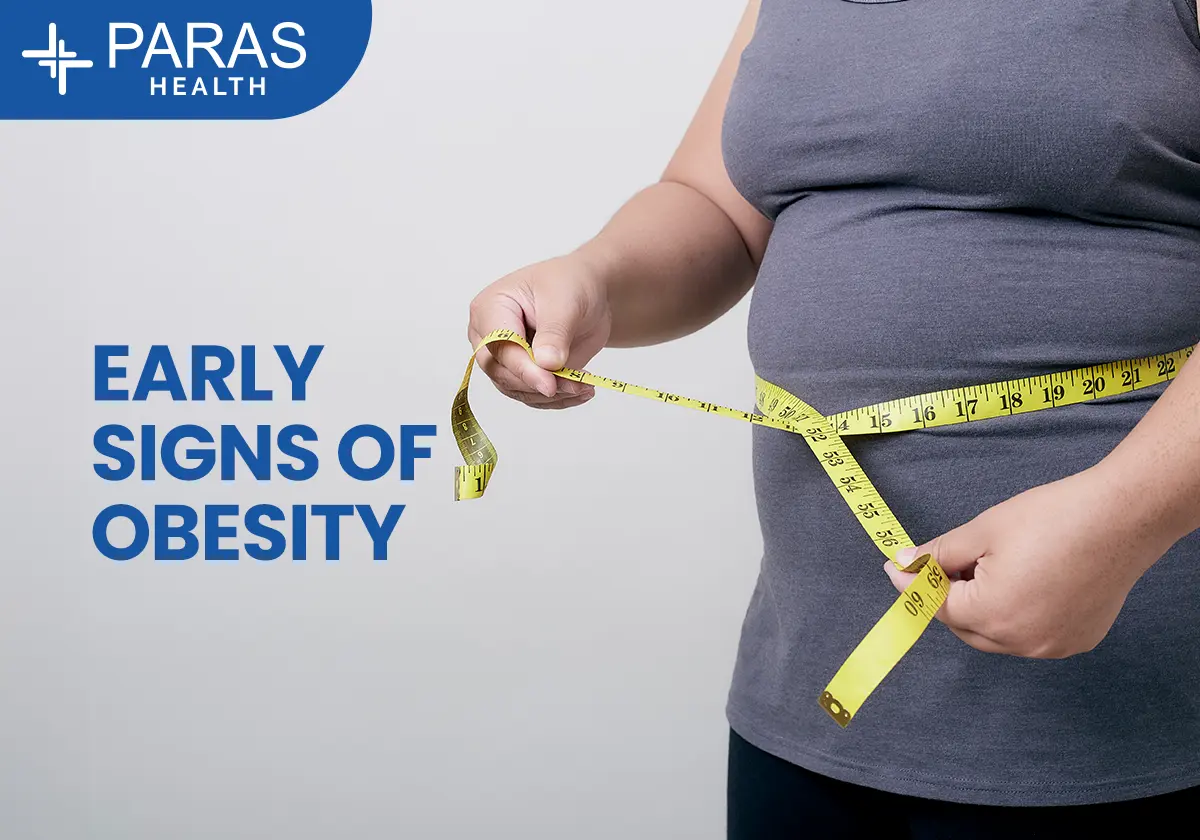
- Increased waist size
- Feeling tired quickly
- Reduced stamina
Advanced Symptoms:
- Breathlessness even with mild activity
- Joint and back pain
- Excess sweating
- Difficulty in physical movement
- Sleep issues (like snoring or sleep apnea)
Risks & Complications of Obesity
Obesity can lead to several serious health problems if not managed on time:
- Type 2 diabetes
- Heart disease
- High blood pressure (hypertension)
- Stroke
- Fatty liver disease
- PCOS and infertility in women
- Sleep apnea
- Joint problems (arthritis)
- Certain cancers
Even a small weight gain over time can increase these risks significantly.
Diet Plan for Obesity
Best Foods to Include:
- Fresh fruits (apple, papaya, guava)
- Green vegetables (spinach, broccoli, लौकी, तोरई)
- Whole grains (brown rice, oats, millets)
- High-protein foods (dal, paneer, eggs, chicken)
- Nuts and seeds (in moderation)
- Plenty of water
Foods to Avoid:
- Fried foods (samosa, pakoda, chips)
- Sugary drinks (cola, packaged juices)
- Refined carbs (white bread, maida products)
- Processed foods
- Excess sweets and desserts
Follow a calorie-controlled, balanced Indian diet instead of extreme dieting.
Daily Routine Plan for Weight Management
Creating a simple routine can make a big difference:
Morning:
- Start with warm water or lemon water
- 30–45 minutes of exercise (walking, yoga, gym)
Daytime:
- Eat small, frequent meals
- Avoid long gaps between meals
- Stay hydrated
Evening:
- Light dinner before 8 PM
- Avoid late-night snacking
Night:
- Sleep for at least 7–8 hours
Lifestyle & Treatment
Lifestyle Changes:
- Regular physical activity
- Healthy eating habits
- Stress management (meditation, yoga)
- Consistent sleep schedule
Medical Treatment:
- Weight loss medications (if prescribed)
- Dietitian-guided plans
Surgical Options:
- Bariatric surgery (for severe obesity)
- Gastric bypass
- Sleeve gastrectomy
Treatment depends on your BMI, health condition, and doctor’s advice.
When to Consult a Doctor
You should seek medical help if:
- Your BMI is above 30
- You are unable to lose weight despite efforts
- You have conditions like diabetes, BP, or thyroid
- You feel breathless or fatigued frequently
- Sudden or rapid weight gain occurs
Early consultation can prevent serious complications.
Myth vs Fact (Obesity)
Myth 1: Obesity is just about overeating
Fact: It involves hormones, genetics, and lifestyle
Myth 2: Skipping meals helps in weight loss
Fact: It slows metabolism and increases fat storage
Myth 3: Only gym workouts reduce weight
Fact: Diet plays a bigger role than exercise alone
Myth 4: Herbal products can cure obesity instantly
Fact: No shortcut—sustainable lifestyle is key
Myth 5: Thin people are always healthy
Fact: Internal fat can still cause health risks
Key Facts About Obesity
- Obesity is a chronic but preventable condition
- Losing just 5–10% of body weight improves health
- BMI is only a screening tool, not a complete diagnosis
- Lifestyle changes are the most effective treatment
- Early action can prevent serious diseases
Conclusion
Obesity is not just about appearance—it’s about your overall health and future well-being. The sooner you take action, the better your chances of preventing serious complications.
The key is consistency—not extreme diets or quick fixes. Small, sustainable changes in your daily routine can lead to long-term results.
FAQs
1. What is obesity in simple terms?
Obesity is excessive body fat that can harm your health and increase disease risk.
2. How can I reduce obesity naturally?
You can reduce obesity with a healthy diet, regular exercise, proper sleep, and stress control.
3. What is the main cause of obesity?
The main causes include poor diet, lack of activity, and lifestyle habits.
4. How do I know if I am obese?
You can check using BMI or consult a doctor for proper evaluation.
5. Which exercise is best for obesity?
Walking, jogging, yoga, and strength training are effective for weight loss.
6. Can obesity be cured permanently?
It can be managed effectively with long-term lifestyle changes.
7. What foods should I avoid in obesity?
Avoid fried foods, sugary drinks, and processed items.
8. Is obesity dangerous?
Yes, it increases the risk of diabetes, heart disease, and other serious conditions.
9. How much weight should I lose?
Even losing 5–10% of your body weight can improve health significantly.
10. When should I see a doctor for obesity?
If your weight is affecting your health or not reducing despite efforts, consult a doctor.