
Sciatica: Symptoms, Causes, Treatment & Fast Pain Relief
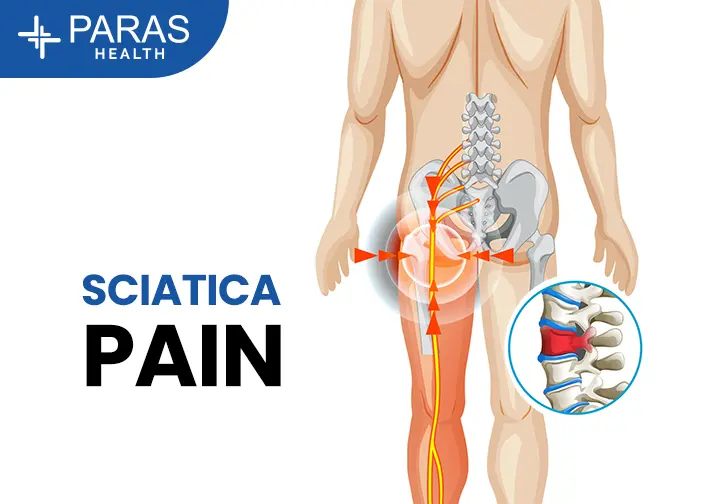
TABLE OF CONTENTS

If you’ve ever felt a sharp shooting pain that starts in your lower back and travels down your leg, there’s a good chance it was sciatica. This type of pain is linked to irritation or compression of the sciatic nerve — the largest nerve in your body. While sciatica can feel worrying, the good news is that with the right treatment, lifestyle changes, and early diagnosis, most people recover fully without surgery.
In this guide, let’s break down everything you need to know — from symptoms and causes to effective treatments, home remedies, and prevention tips — in a simple, practical way.
What Is Sciatica?
Sciatica is not a disease — it’s a symptom. It happens when the sciatic nerve gets compressed or irritated. This nerve runs from your lower back through your hips, buttocks, and legs. When it gets pinched, you may feel pain, numbness, tingling, or weakness along its path.
How Do I Know If I Have Sciatica?
If your pain starts in the lower back and travels down one leg, it’s likely sciatica. Many people describe it as:
- ·A burning or shooting pain
- A pulling sensation
- Tingling or “pins and needles”
- Leg heaviness
- Electric shock–like pain
If the pain feels one-sided and follows a nerve path, that’s a classic sign.
Symptoms of Sciatica
Sciatica symptoms can range from mild to severe. Common ones include:
Pain radiating down the leg
This is the most common sign. It may worsen after sitting for long hours or bending forward.
Lower back pain
This may be dull or sharp, often spreading to the buttock or thigh.
Numbness, tingling, or burning
Your leg may feel warm, cold, or “asleep.”
Weakness in the leg
Walking upstairs or lifting your foot may feel difficult.
Sharp shooting or electric pain
Sudden pain that shoots down the leg during movement, coughing, or sneezing.
When Should You See a Doctor?
Seek medical help if you experience:
- Severe pain that doesn’t improve in 2–3 weeks
- Sudden leg weakness
- Loss of bladder or bowel control
- Pain after an injury
These may indicate a serious nerve compression that needs urgent attention.
What Causes Sciatica?
Several conditions can trigger sciatic nerve compression. The most common causes include:
Herniated Disc (Slip Disc)
A bulging or ruptured disc can press directly on the sciatic nerve. This is the leading cause in young and middle-aged adults.
Spinal Stenosis
Narrowing of the spinal canal (common with aging) creates pressure on the nerve roots.
Piriformis Syndrome
A tight piriformis muscle deep in the buttock can irritate the nerve.
Degenerative Disc Disease
Wear and tear over time reduces cushioning in the spine, increasing nerve compression risk.
Sciatica During Pregnancy
Weight gain, posture changes, and hormonal relaxation of joints can lead to nerve irritation.
Injury or Trauma
Accidents, sports injuries, or lifting heavy objects incorrectly may compress the nerve.
Diagnosis of Sciatica
A doctor usually starts with a physical exam and asks about your symptoms, pain pattern, and lifestyle. Tests may include:
MRI
The most accurate scan for identifying disc issues, nerve compression, or structural problems.
X-ray
Shows bone problems like arthritis or fractures.
CT scan
Useful when MRI is not possible.
Nerve conduction tests
Check how well the nerve is functioning. Accurate diagnosis helps choose the right treatment.
Treatment Options for Sciatica
Most people improve with non-surgical treatment. Only a small percentage need surgery.
Medications
Doctors may recommend:
Anti-inflammatory medicines
- Muscle relaxants
- Nerve pain medications
- Painkillers
These help reduce swelling and discomfort.
Physiotherapy
This is one of the most effective treatments. A physiotherapist will guide you with:
- Strengthening exercises
- Stretching routines
- Posture correction
- Manual therapy
- Core stabilization
Physiotherapy speeds up recovery and prevents future flare-ups.
Non-Surgical Interventions
You may benefit from:
- Heat therapy → relaxes tight muscles
- Ice therapy → reduces inflammation
- Chiropractic care
- Ultrasound therapy
- TENS therapy
- Epidural steroid injections (for severe inflammation)
Surgical Treatment
Surgery is considered when:
- Severe pain persists for >6–8 weeks
- There is major nerve compression
- Symptoms worsen despite treatment
- There is leg weakness or bladder/bowel issues
Common surgeries include:
- Microdiscectomy
- Laminectomy Both procedures relieve pressure on the nerve.
Best Exercises for Sciatica Pain Relief
Movement is medicine — but the right movement matters.
Knee-to-chest stretch
Eases lower back tension.
Piriformis stretch
Relieves pressure from the buttock muscle.
Cat-Cow stretch
Improves spine flexibility.
Hamstring stretch
Reduces leg tightness.
Walking
Gentle walking improves blood flow and healing.
Yoga for sciatica
Simple poses help stretch and strengthen lower back muscles.
Exercises to Avoid
- Heavy lifting
- High-impact workouts
- Deep forward bends
- Long-distance running during flare-ups
Rest is helpful, but complete bed rest is not recommended.
Home Remedies for Sciatica
You can try these simple and effective home care methods:
Heat or ice packs
Apply for 15–20 minutes several times a day.
Gentle stretching
Improves flexibility and reduces stiffness.
Massage
Relaxes tight muscles.
Stay active
Avoid prolonged sitting or standing.
Correct sleep posture
Side-sleeping with a pillow between knees helps.
Lifestyle Tips & Prevention
Even after recovery, maintaining spine health is crucial.
Improve posture
Avoid slouching and use lumbar support while sitting.
Maintain a strong core
A strong core reduces pressure on your spine.
Avoid long hours of sitting
Take short breaks every 45–60 minutes.
Exercise regularly
Yoga, stretching, and walking help maintain mobility.
Check your mattress and chair
Good ergonomics make a big difference.
When Should You See a Specialist?
Consult an orthopedic doctor, neurologist, or spine specialist if:
- Pain persists beyond 2–3 weeks
- Pain disrupts daily activities
- You notice numbness or weakness
- Symptoms are severe or worsening
Early treatment prevents complications.
Key Facts About Sciatica
- Sciatica affects up to 80% of people at least once in their life.
- Herniated disc is the most common cause of sciatic nerve pain.
- Most patients recover without surgery.
- Physiotherapy is the most effective long-term solution.
- Red-flag symptoms should never be ignored.
Conclusion
Sciatica can be painful and disruptive, but it is also highly treatable. Understanding your symptoms, getting the right diagnosis, and following a structured treatment plan can help you recover faster and live pain-free. Most cases respond well to simple measures like physiotherapy, posture correction, home exercises, and lifestyle changes. If your symptoms persist, worsen, or affect mobility, don’t hesitate to consult a specialist — early care leads to better outcomes.
FAQ's
What causes sciatic nerve pain?
Common causes include a herniated disc, spinal stenosis, piriformis syndrome, or nerve compression due to injury or poor posture.
How do I know if I have sciatica?
If you feel pain that starts in the lower back and shoots down one leg, along with numbness or tingling, it is likely sciatica.
How can I relieve sciatica pain fast?
Use heat or ice packs, try gentle stretches, walk short distances, and avoid sitting for long periods. Medication may help if pain is severe.
What is the best treatment for sciatica?
Physiotherapy, stretching exercises, pain-relief medication, and posture correction are usually the most effective treatments.
How long does sciatica last?
Acute sciatica often improves within 1–6 weeks. Chronic sciatica may take longer but responds well to steady treatment.
Is walking good for sciatica?
Yes, walking increases blood flow, reduces inflammation, and promotes healing when done in moderation.
How should I sleep with sciatica?
Sleep on your side with a pillow between your knees or on your back with a pillow under your legs to reduce pressure on your lower spine.
When should I worry about sciatica?
If pain is severe, persistent, or accompanied by weakness or bladder/bowel issues, seek medical help immediately.
Can sciatica be cured permanently?
Yes, with physiotherapy, exercise, posture correction, and proper spine care, many people achieve long-term relief.
Can sciatica come back?
Yes, especially if posture, core strength, and lifestyle habits are not corrected. Preventive care is key.