

Chat with us on WhatsApp

WHY DO WOMEN NEED MORE IRON THAN MEN?


Why Do Women Need More Iron Than Men?
Book Appointment
in General

Apr 19, 2022

Women’s nutritional requirement  changes during menstruation, pregnancy, breastfeeding and menopause.

The interplay of hormones throughout a woman’s menstrual cycle affects her body and free of mind  mind. Energy intakes are basically  higher in the premenstrual phase and few women also have food cravings as their period approaches. Eating high protein foods every few hours can often temper or stop food cravings.
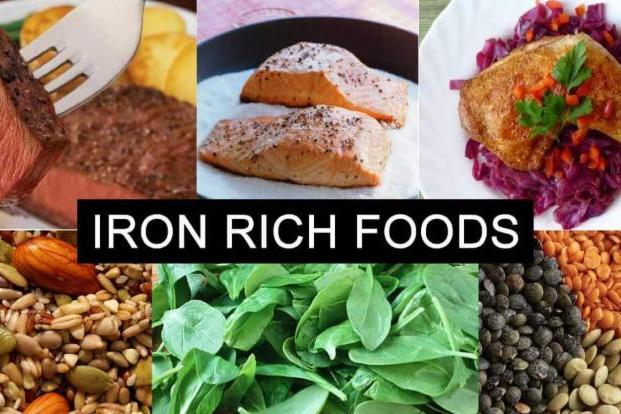
It  should not be done at the expense of other food groups, basically  carbohydrates, which should form the basis of the diet. Iron is a mineral that works with other substances to create haemoglobinwhich carries oxygen in the blood. Women and men metabolise iron from food at roughly the same rate. However, while men need around 8 mg of iron in their daily diet, women require  up to 18 mg (or 27 mg if pregnant). Iron deficiency is the most  important and common nutrient deficiency in women. Insufficient iron can lead to anemia. Same  symptoms of anemia include tiredness and breathlessness. Iron is especially important part during pregnancy.
Good dietary iron sources include:

  • Red meat,including  chicken and fish.
  • Fortified cereals
  • Legumes and nuts
  • Leafy green vegetables.
    Iron absorption can be impaired by very high fibre diets, alcohol, the tannic acid in tea and focus  sources of calcium (like as , calcium supplements).Iron  needs raised  significantly during pregnancy as maternal blood volume raise the  and the baby’s blood system is developing. Iron deficiency in pregnant women raised  the risk of having a preterm or low birth weight baby, which can have a negative impact on the short and long-term health of the baby.
Book Appointment

Recent Blogs

Cervical cancer is highly preventable with regular screening and HPV vaccination. Early detection through Pap smears, HPV tests, and advanced screening methods can save lives. Learn about the importance of screening, prevention strategies, and expert care at Paras Hospitals.
Continue Reading
Discover the causes, symptoms, and treatment options for PCOS (Polycystic Ovary Syndrome) in this detailed guide. Learn how to manage your symptoms with lifestyle changes, medical treatments, and expert care. Don’t wait—consult the specialists at Paras Hospitals today for personalized PCOS management. Call us now at 8080808069 to book your appointment!
Continue Reading
Low blood pressure, also known as hypotension, during pregnancy can be a concern for expectant mothers. While high blood pressure often gets more attention, low blood pressure can also lead to complications if not managed properly.
Continue Reading
World Kidney Day is a global campaign to spread awareness about kidney disease. This campaign was launched in 2006 and is celebrated on the 2nd Thursday of March every year.
Continue Reading
Women in India face several health issues which affect their mental and physical well-being such as malnutrition, lack of maternal, prenatal and menstrual healthcare diseases like endometriosis and fibroids, breast cancer, and more. Women also suffer from heart disease, autoimmune diseases, and mental illnesses more commonly than men do. 
Continue Reading
As more and more people are getting vaccinated,  with the increase in vaccine supplies, an increased number of people are looking for answers regarding the Covid vaccine for pregnant women. 
Continue Reading
Abnormal uterine bleeding can be seen in the form of excessive blood between your monthly periods, spotting, or even an extremely heavy flow. A normal period lasts an average of five days and if you find yourself bleeding outside of this time frame, it might be time to look for gynecologists and obstetricians near you.
Continue Reading
Request A Call Back
Didn't Find What You Were Looking For

Get a call back from our Health Advisor