

5 common symptoms of Parkinson's


Tremors- Many healthcare professionals consider tremors to be a key characteristic sign of Parkinson’s disease. Tremors involve a persistent twitching or shaking of the hands, legs, or chin. Tremors linked with Parkinson’s disease are known as “rest tremors.” It means that the tremors stop when a person uses the affected body part. Tremors are very subtle when they first appear. At this stage, the person experiencing the tremors is basically the only one who notices them. Tremors will gradually increase as the disease progresses. Tremors are typically present on one side of the body and then spread to other parts of the body.
Bradykinesia- is a term that means slowness or absence of movement. Bradykinesia causes a variety of symptoms, such as stiffness of the limbs and slow movements. A person who has bradykinesia might walk slower or have difficult starting a movement. Few people who have this symptom might misinterpret it as muscle weakness. However, this symptom does not affect muscle strength.
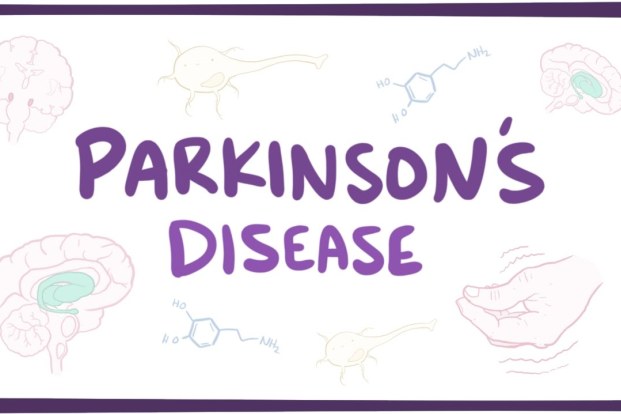
Poor Balance– Parkinson’s disease specifically targets nerve cells called basal ganglia, which reside deep within the brain. Basal ganglia nerves control balance and flexibility, so any damage to these nerves can impair a person’s balance. Doctors use a test called the pull test to assess a person’s balance. The pull test involves a healthcare professional gently pulling a person’s shoulders backward until they lose their balance and recording how long it takes them to regain it.Healthy individuals recover after one or two steps, while people with Parkinson’s disease may take a higher number of smaller steps to fully balance themselves.
Facial expressions-It involves several subtle, complex muscle movements. People with Parkinson’s disease often have a reduced ability to make facial expressions. This is called facial masking. Facial masking is related to bradykinesia. The facial muscles move more slowly or rigidly than usual. People who have facial masking may appear blank or emotionless, though their ability to feel emotions is not impaired. Facial masking can also cause someone to blink their eyes slower.
Psychological symptoms
Parkinson’s disease can severely affect a person’s psychological well-being. The disease lowers the body’s natural levels of dopamine, which can cause changes in mood and behavior.