


Neuro Sciences
Overview
Paras Institute of Neurosciences is a center of excellence for the diagnosis, treatment, and rehabilitation of brain, spine, nerve, and muscle disorders. Our team of experienced neurologists, neurosurgeons, and neuro specialists provides advanced care for conditions such as stroke, epilepsy, parkinson’s disease, dementia, brain tumors, and spinal disorders. Using modern technology and a patient-centered approach, we focus on improving recovery, function, and quality of life.
Sub Specialities


Treatment And Ailments
Alzheimer's Disease
Multiple Sclerosis
Parkinson's Disease and Other Movement Disorders
Anxiety Disorders
Brain Tumor Surgery
Depression
Interventional Neuroradiology
Spine Disorders
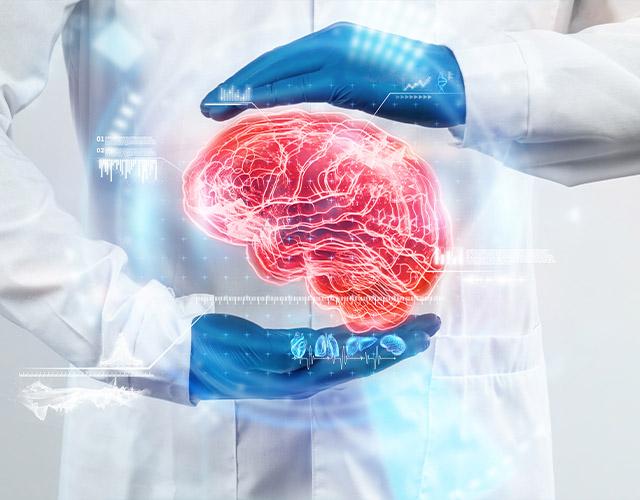
Alzheimer's disease is a progressive neurological disorder characterized by memory loss, cognitive decline, and behavioral changes. Treatment focuses on managing symptoms with medications (cholinesterase inhibitors, memantine), supportive therapies (cognitive training, occupational therapy), and lifestyle modifications to enhance quality of life for patients and caregivers.
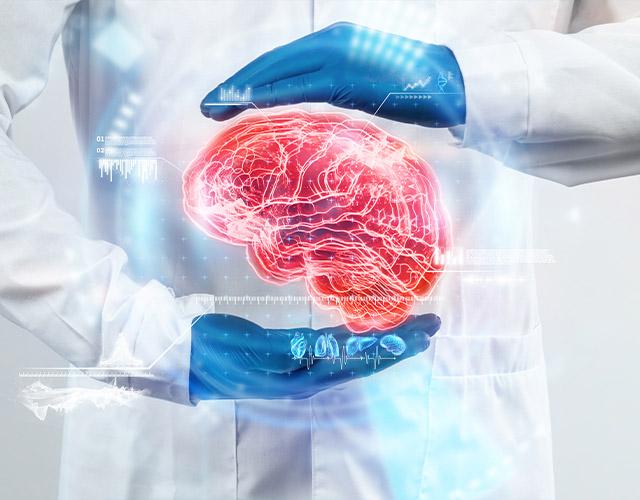
Multiple sclerosis (MS) is an autoimmune disease affecting the central nervous system, leading to inflammation, demyelination, and neurological symptoms. Treatment includes disease-modifying therapies (interferons, monoclonal antibodies), corticosteroids for acute exacerbations, symptom management (physical therapy, muscle relaxants), and lifestyle adjustments to slow disease progression and improve patient function.
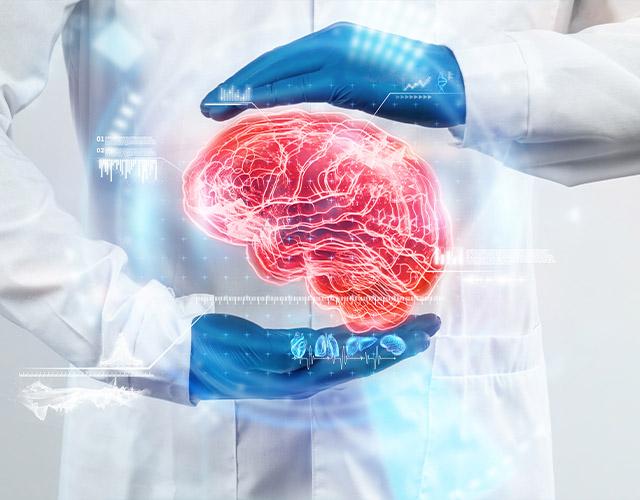
Parkinson's disease is a progressive movement disorder caused by dopamine deficiency in the brain. Treatment strategies include medications (levodopa, dopamine agonists), deep brain stimulation (DBS) surgery to modulate abnormal brain activity, physical therapy to improve motor function, and supportive therapies to manage non-motor symptoms like depression and sleep disturbances.
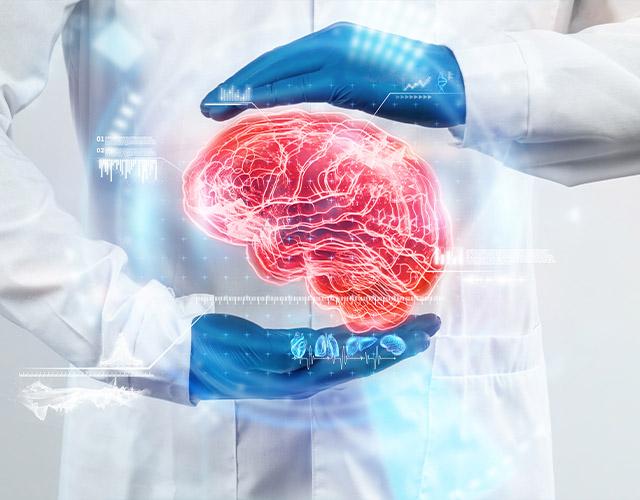
Anxiety disorders encompass a range of conditions characterized by excessive fear, worry, and avoidance behaviors. Treatment involves psychotherapy (cognitive-behavioral therapy, exposure therapy), medications (antidepressants, benzodiazepines), and lifestyle modifications (stress management, relaxation techniques) to alleviate symptoms and improve overall mental health.
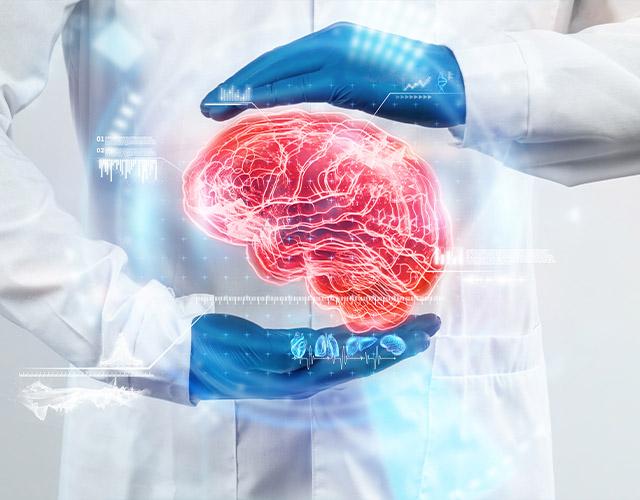
Brain tumor surgery aims to remove benign or malignant tumors from the brain while preserving neurological function. Surgical techniques vary depending on tumor location, size, and type, often followed by radiation therapy, chemotherapy, or targeted therapies to eliminate remaining cancer cells and prevent recurrence.
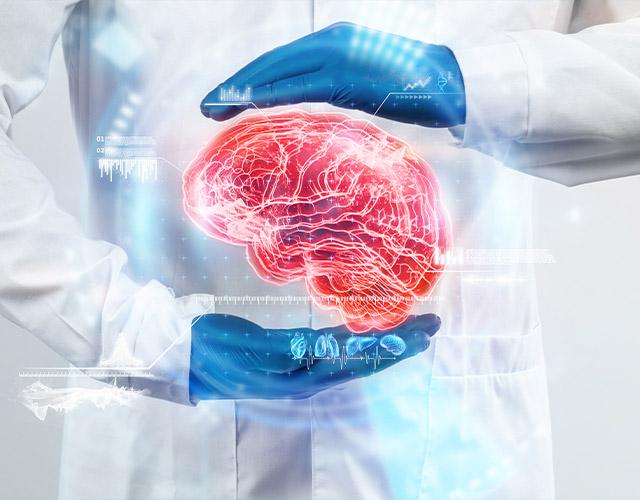
Depression is a mood disorder characterized by persistent sadness, loss of interest or pleasure, and feelings of hopelessness. Treatment includes psychotherapy (cognitive-behavioral therapy, interpersonal therapy), antidepressant medications (SSRIs, SNRIs), and lifestyle modifications (regular exercise, social support) to alleviate symptoms, improve coping skills, and prevent relapse.
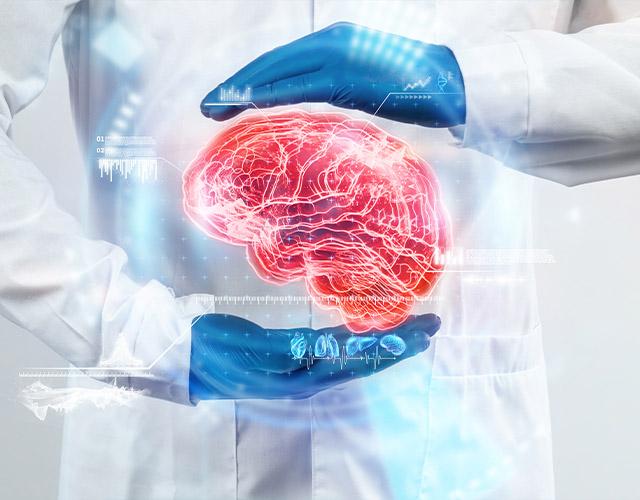
Interventional neuroradiology uses minimally invasive procedures guided by imaging techniques to diagnose and treat vascular conditions of the central nervous system, such as cerebral aneurysms, arteriovenous malformations (AVMs), and acute stroke. Procedures include endovascular coiling, stenting, and thrombectomy, aimed at restoring blood flow, reducing neurological damage, and improving patient outcomes.
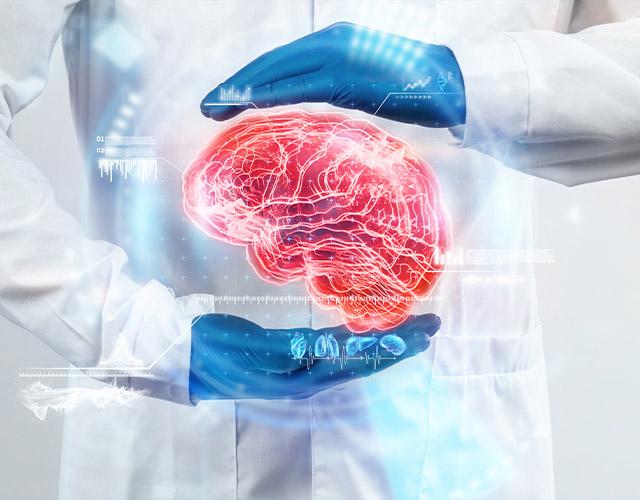
Spine disorders encompass a range of conditions affecting the vertebral column, such as herniated discs, spinal stenosis, and scoliosis. Treatment options vary from conservative approaches (physical therapy, medications) to surgical interventions (spinal fusion, laminectomy) aimed at relieving pain, stabilizing the spine, and improving mobility and quality of life for patients.
Acquired Brain Injury
Agnosia
Anxiety
Ataxia
Brain Attack
Brain Cancer
Cerebral Aneurysm
Craniosynostosis
CSF Rhinorrhea
Dawson Disease
Acquired Brain Injury
Acquired brain injury results from trauma or non-traumatic events causing damage to the brain, leading to cognitive, physical, and emotional impairments. Rehabilitation focuses on restoring function and optimizing recovery through therapies tailored to individual needs. Early intervention and ongoing support are crucial in achieving the best possible outcomes for patients.
Agnosia
Agnosia is a neurological condition where individuals have difficulty recognizing and interpreting sensory information, such as objects, faces, or sounds, despite normal sensory perception. Treatment involves cognitive rehabilitation to enhance perception and compensate for impaired recognition skills. Supportive therapies aim to improve daily functioning and quality of life for affected individuals.
Anxiety
Anxiety disorders involve excessive worry and fear that interfere with daily life, affecting mental and physical well-being. Treatment options include therapy (cognitive-behavioral therapy), medications, and lifestyle modifications. Comprehensive care addresses underlying causes and promotes coping strategies to manage symptoms effectively.
Ataxia
Ataxia refers to a group of neurological disorders characterized by lack of coordination, affecting movements like walking, speech, and fine motor skills. Causes include genetic mutations, stroke, or multiple sclerosis. Management focuses on symptom relief, physical therapy, and assistive devices to improve balance and mobility. Individualized care plans help optimize independence and quality of life.
Brain Attack
A brain attack, commonly known as a stroke, occurs when blood flow to the brain is interrupted, causing brain tissue damage. Symptoms include sudden weakness, speech difficulties, and vision loss. Immediate medical attention is critical to minimize brain damage and disability. Treatment may involve clot-busting medications, rehabilitation, and lifestyle changes to prevent recurrence.
Brain Cancer
Brain cancer includes tumors originating in the brain or metastasizing from other parts of the body. Symptoms vary depending on tumor location and size, often causing headaches, seizures, and cognitive changes. Treatment options include surgery, radiation therapy, chemotherapy, and targeted therapies. Multidisciplinary care ensures personalized treatment plans to optimize outcomes and quality of life.
Cerebral Aneurysm
A cerebral aneurysm is a bulge in a brain artery, potentially causing rupture and life-threatening bleeding (hemorrhagic stroke). Risk factors include hypertension and genetic predisposition. Treatment ranges from surveillance for small aneurysms to surgical intervention for larger or symptomatic cases. Early detection through imaging studies is crucial in preventing complications.
Craniosynostosis
Craniosynostosis is a congenital condition where one or more cranial sutures fuse prematurely, affecting skull growth and brain development. Treatment involves surgical correction to reshape the skull and relieve pressure on the brain. Early intervention in infancy helps optimize outcomes and prevent associated complications like cognitive delays or facial deformities.
CSF Rhinorrhea
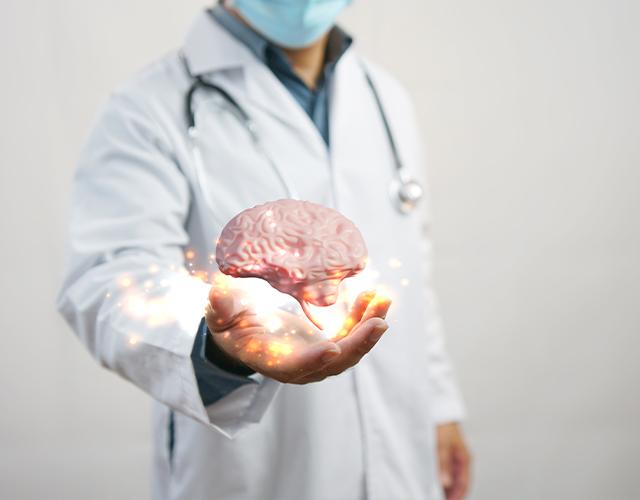
Cerebrospinal fluid (CSF) rhinorrhea is the leakage of CSF through the nose due to skull base fractures or surgical complications. It can lead to increased risk of infection and neurological complications. Management includes surgical repair of the skull base defect to prevent further CSF leakage and associated risks. Close monitoring is essential for successful recovery.
Dawson Disease
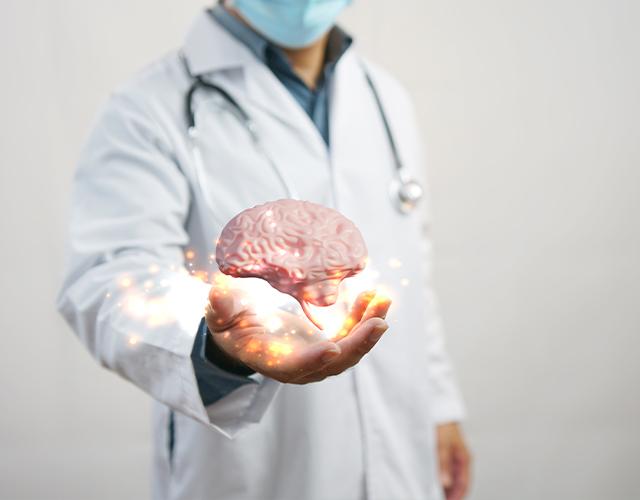
Dawson disease, or Dawson's fingers, are characteristic lesions seen on MRI scans of individuals with multiple sclerosis (MS). They represent areas of demyelination along nerve fibers in the brain and spinal cord. Diagnosis involves clinical evaluation and imaging studies to assess disease activity and progression. Treatment aims to manage symptoms and slow disease progression using medications and supportive therapies.
Technology

1.5 Tesla MRI

128 Slice CT

EEG / EMG / NCV

MRI Brain and Spine

PET Scan

Neuro Navigation
Meet Our Doctors
At Paras HMRI, Patna, our expert neurologists and neurosurgeons work together to diagnose and treat a wide range of neurological conditions. With advanced technology and personalized care, they ensure the highest standards of treatment and recovery.
 Reg No-BCMR53191
- योग्यता
- MBBS-NSCB मेडिकल कॉलेज, M.S. (सामान्य शल्य चिकित्सा), M.Ch. न्यूरोसर्जरी
 Reg No-29688
- योग्यता
- MBBS, DNB(सामान्य शल्य चिकित्सा), DNB(तंत्रिका शल्य चिकित्सा)
 Reg No-BCMR-35061
- योग्यता
- एमएस (सामान्य शल्य चिकित्सा), एमसीएच (तंत्रिका शल्य चिकित्सा)
 Reg No-BCMR-41798
- योग्यता
- MBBS, MD, DM - न्यूरोलॉजी
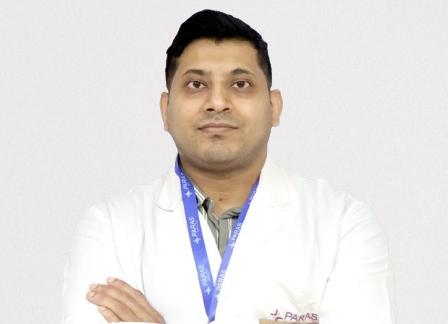 Reg No-BCMR-52888
- योग्यता
- MBBS, DNB - Neurosurgery
 Reg No-DMC-72779
- योग्यता
- MBBS, MD, DM - न्यूरोलॉजी
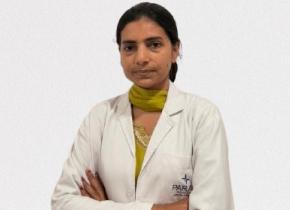 Reg No-BCMR - 45774
- योग्यता
- MBBS, MD (आंतरिक चिकित्सा), DM (न्यूरोलॉजी)
असली मरीज़, असली कहानियाँ

Sachin Kumar
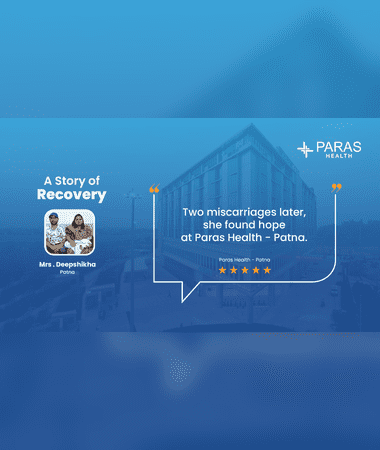
Mrs. Deepshika
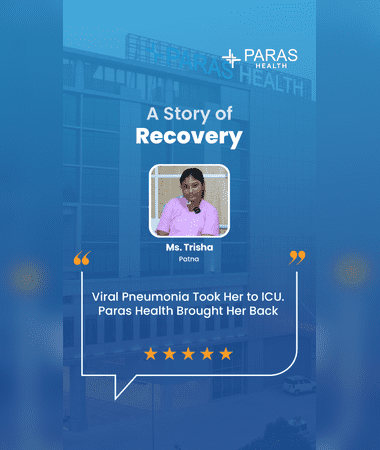
Ms. Trisha

Saboj Pare Singh
पटना में सर्वश्रेष्ठ न्यूरोलॉजी अस्पताल – पारस हॉस्पिटल में विशेषज्ञ मस्तिष्क और तंत्रिका तंत्र देखभाल
आपका मस्तिष्क और तंत्रिका तंत्र आपकी हर गतिविधि को नियंत्रित करता है—सोचने और चलने से लेकर सांस लेने और महसूस करने तक। जब कुछ गलत होता है, तो आपको विशेषज्ञ देखभाल की आवश्यकता होती है। पटना के पारस हॉस्पिटल में, हमारे शीर्ष न्यूरोलॉजिस्ट और न्यूरोसर्जन की टीम क्रोनिक माइग्रेन और मिर्गी से लेकर स्ट्रोक और रीढ़ की स्थितियों तक, विभिन्न प्रकार के न्यूरोलॉजिकल विकारों के निदान और उपचार के लिए समर्पित है। चाहे आप हल्के लक्षणों का अनुभव कर रहे हों या किसी जटिल न्यूरोलॉजिकल स्थिति का सामना कर रहे हों, हम आपको सर्वोत्तम देखभाल प्रदान करने और एक स्वस्थ, संतुष्टिपूर्ण जीवन जीने में मदद करने के लिए यहाँ हैं।
पटना में न्यूरोलॉजी के लिए पारस हॉस्पिटल को क्यों चुनें?
मस्तिष्क और तंत्रिका स्वास्थ्य की बात आने पर, अनुभव और तकनीक महत्वपूर्ण हैं। पटना का पारस हॉस्पिटल भारत के कुछ सर्वश्रेष्ठ न्यूरोलॉजिस्ट और न्यूरोसर्जन का घर है, जो न्यूरोलॉजिकल विकारों के लिए विश्वस्तरीय उपचार प्रदान करता है। अत्याधुनिक नैदानिक उपकरणों, न्यूनतम इनवेसिव सर्जिकल तकनीकों और दयालु देखभाल के साथ, हम सुनिश्चित करते हैं कि आपको सबसे प्रभावी और व्यक्तिगत न्यूरोलॉजिकल उपचार मिले।
- पटना में शीर्ष न्यूरोलॉजी और न्यूरोसर्जरी विशेषज्ञ
- सटीक उपचार के लिए उन्नत ब्रेन इमेजिंग और डायग्नोस्टिक्स
- त्वरित प्रतिक्रिया के लिए 24/7 आपातकालीन स्ट्रोक और ट्रॉमा केयर
- तेज़ी से स्वस्थ होने के लिए न्यूनतम इनवेसिव रीढ़ और मस्तिष्क सर्जरी
- दीर्घकालिक स्वास्थ्य के लिए समर्पित न्यूरो-पुनर्वास और फिजियोथेरेपी सेवाएं
पारस हॉस्पिटल में, हम केवल स्थिति का नहीं, बल्कि व्यक्ति का उपचार करने में विश्वास रखते हैं। हमारा लक्ष्य है कि आप जल्द से जल्द ठीक होकर सामान्य, सक्रिय जीवन में वापस लौटें।
पारस हॉस्पिटल में व्यापक न्यूरोलॉजी सेवाएं
हमारे न्यूरोलॉजी और न्यूरोसर्जरी विभाग मस्तिष्क, तंत्रिका और रीढ़ के विभिन्न विकारों के लिए उन्नत उपचार प्रदान करते हैं। चाहे आप किसी भी न्यूरोलॉजिकल समस्या का सामना कर रहे हों, हम आपकी स्थिति के अनुसार विशेषज्ञ समाधान प्रदान करते हैं।
स्ट्रोक और न्यूरोवैस्कुलर देखभाल
स्ट्रोक एक चिकित्सीय आपातस्थिति है जो यदि तुरंत उपचार न किया जाए तो गंभीर विकलांगता का कारण बन सकती है। पटना में हमारे स्ट्रोक विशेषज्ञ मस्तिष्क में रक्त प्रवाह बहाल करने और क्षति को कम करने के लिए त्वरित निदान, क्लॉट-बस्टिंग उपचार और आपातकालीन स्ट्रोक सर्जरी प्रदान करते हैं। हमारी स्ट्रोक पुनर्वास टीम उपचार के बाद सर्वोत्तम संभव स्वास्थ्य लाभ सुनिश्चित करती है।
मिर्गी और दौरा प्रबंधन
यदि आप या आपका कोई प्रिय व्यक्ति बार-बार दौरे का अनुभव कर रहा है, तो हमारे मिर्गी विशेषज्ञ मदद कर सकते हैं। हम मरीजों की स्थिति को नियंत्रित करने और उनके जीवन की गुणवत्ता में सुधार के लिए उन्नत मिर्गी निदान, दवा चिकित्सा और मिर्गी सर्जरी जैसे वेगस नर्व स्टिमुलेशन (VNS) और डीप ब्रेन स्टिमुलेशन (DBS) प्रदान करते हैं।
रीढ़ और न्यूरोसर्जरी
क्रोनिक पीठ दर्द, रीढ़ की हड्डी की चोटें, हर्नियेटेड डिस्क और स्कोलियोसिस के लिए विशेषज्ञ देखभाल की आवश्यकता होती है। हमारे रीढ़ विशेषज्ञ दर्द से राहत और गतिशीलता बहाल करने के लिए न्यूनतम इनवेसिव स्पाइन सर्जरी, स्पाइनल डीकंप्रेशन और आर्टिफिशियल डिस्क रिप्लेसमेंट प्रदान करते हैं। यदि सर्जरी की आवश्यकता हो, तो पटना के हमारे शीर्ष न्यूरोसर्जन कम समय में स्वस्थ होने के साथ सुरक्षित और प्रभावी उपचार सुनिश्चित करते हैं।
पार्किंसन रोग और मूवमेंट विकार
पार्किंसन रोग, कंपन या मूवमेंट विकार से पीड़ित मरीज हमारे विशेष उपचारों से लाभान्वित हो सकते हैं, जिनमें डीप ब्रेन स्टिमुलेशन (DBS), बोटॉक्स इंजेक्शन और गतिशीलता और जीवन की गुणवत्ता में सुधार के लिए व्यक्तिगत फिजियोथेरेपी कार्यक्रम शामिल हैं।
माइग्रेन और सिरदर्द उपचार
यदि आप क्रोनिक माइग्रेन या गंभीर सिरदर्द से पीड़ित हैं, तो हमारे सिरदर्द विशेषज्ञ ट्रिगर की पहचान करने के लिए विस्तृत मूल्यांकन करते हैं और दवाओं, नर्व-ब्लॉक थेरेपी और जीवनशैली में बदलाव के माध्यम से दीर्घकालिक राहत प्रदान करते हैं।
न्यूरो-आईसीयू और क्रिटिकल केयर
गहन न्यूरोलॉजिकल देखभाल की आवश्यकता वाले मरीजों के लिए, हमारा समर्पित न्यूरो-आईसीयू गंभीर स्ट्रोक, मस्तिष्क की चोटों और कोमा के मामलों की निगरानी और प्रबंधन के लिए नवीनतम तकनीक से सुसज्जित है। हमारी 24/7 आपातकालीन न्यूरोलॉजी टीम गंभीर मरीजों के लिए तत्काल देखभाल सुनिश्चित करती है।
स्मृति और संज्ञानात्मक विकार
स्मृति हानि, भ्रम या एकाग्रता में कठिनाई से जूझ रहे हैं? हमारे न्यूरोलॉजिस्ट अल्जाइमर रोग, डिमेंशिया और अन्य संज्ञानात्मक विकारों के निदान और उपचार में विशेषज्ञ हैं, जो मरीजों को स्वतंत्रता और मस्तिष्क कार्य बनाए रखने में मदद करने के लिए व्यक्तिगत उपचार योजनाएं प्रदान करते हैं।
बाल चिकित्सा न्यूरोलॉजी
न्यूरोलॉजिकल विकारों से पीड़ित बच्चों को विशेष देखभाल की आवश्यकता होती है। हमारे बाल न्यूरोलॉजी विशेषज्ञ युवा मरीजों के लिए अनुकूलित उन्नत थेरेपी और दयालु देखभाल के साथ मिर्गी, ऑटिज्म, सेरेब्रल पाल्सी, विकासात्मक देरी और आनुवंशिक मस्तिष्क विकारों का उपचार करते हैं।
बेहतर निदान और उपचार के लिए अत्याधुनिक न्यूरोलॉजी तकनीक
पटना के पारस हॉस्पिटल में, हम सटीक निदान और प्रभावी उपचार सुनिश्चित करने के लिए चिकित्सा विशेषज्ञता को नवीनतम तकनीक के साथ जोड़ते हैं। हमारे उन्नत नैदानिक उपकरणों में शामिल हैं:
- एमआरआई और सीटी स्कैन – सटीक निदान के लिए उच्च-रिज़ॉल्यूशन मस्तिष्क और रीढ़ की इमेजिंग
- इलेक्ट्रोएन्सेफेलोग्राम (EEG) – मिर्गी और दौरों का पता लगाने के लिए मस्तिष्क गतिविधि मापता है
- नर्व कंडक्शन स्टडीज (NCV और EMG) – तंत्रिका और मांसपेशियों के कार्य का मूल्यांकन करता है
- 3D ब्रेन मैपिंग – अधिक सटीकता के लिए न्यूनतम इनवेसिव मस्तिष्क सर्जरी में सहायता करता है
- ट्रांसक्रेनियल डॉपलर (TCD) – स्ट्रोक के जोखिम को रोकने के लिए मस्तिष्क रक्त प्रवाह का आकलन करता है
इन उन्नत न्यूरोलॉजी उपकरणों के साथ, हमारे विशेषज्ञ प्रत्येक मरीज के लिए सटीक निदान और अनुकूलित उपचार प्रदान कर सकते हैं।
हमारी विशेषज्ञ न्यूरोलॉजी टीम से मिलें
पटना के पारस हॉस्पिटल में, हमारे पास भारत के कुछ सर्वश्रेष्ठ न्यूरोलॉजिस्ट और न्यूरोसर्जन हैं, जिनके पास जटिल मस्तिष्क और तंत्रिका तंत्र विकारों के उपचार में वर्षों का अनुभव है। चाहे यह एक हल्की न्यूरोलॉजिकल स्थिति हो या उच्च-जोखिम वाली मस्तिष्क सर्जरी, हमारे विशेषज्ञ आपकी चिंताओं को सुनने, आपके उपचार विकल्पों की व्याख्या करने और सर्वोत्तम संभव परिणाम सुनिश्चित करने के लिए समय लेते हैं।
न्यूरोलॉजिकल देखभाल के प्रति हमारा दृष्टिकोण
पारस हॉस्पिटल में, हम केवल आपकी स्थिति पर नहीं, बल्कि आप पर ध्यान केंद्रित करते हैं—। हमारा समग्र दृष्टिकोण सुनिश्चित करता है कि आपको व्यक्तिगत, दयालु और प्रभावी देखभाल मिले।
चरण 1: संपूर्ण परामर्श और निदान – हम आपके लक्षणों के सटीक कारण की पहचान करने के लिए न्यूरोलॉजिकल परीक्षणों और उन्नत इमेजिंग सहित विस्तृत मूल्यांकन से शुरुआत करते हैं।
चरण 2: व्यक्तिगत उपचार योजना – हमारे विशेषज्ञ एक अनुकूलित उपचार दृष्टिकोण तैयार करते हैं, चाहे वह दवाएं, फिजियोथेरेपी, न्यूनतम इनवेसिव प्रक्रियाएं या न्यूरोसर्जरी हो।
चरण 3: स्वास्थ्य लाभ और पुनर्वास – उपचार के बाद, हम शक्ति और कार्य पुनः प्राप्त करने में मदद करने के लिए फिजियोथेरेपी, स्पीच थेरेपी और कॉग्निटिव थेरेपी सहित व्यापक न्यूरो-पुनर्वास कार्यक्रम प्रदान करते हैं।
हमारी मरीज-केंद्रित देखभाल सुनिश्चित करती है कि आपको पटना में सर्वोत्तम न्यूरोलॉजी उपचार मिले, जो दीर्घकालिक स्वास्थ्य लाभ और कल्याण पर केंद्रित हो।
पटना में न्यूरोलॉजी के लिए पारस हॉस्पिटल को क्यों चुनें?
- उन्नत रोगी देखभाल के लिए समर्पित अत्यधिक अनुभवी न्यूरोलॉजिस्ट और न्यूरोसर्जन
- सटीक निदान और उपचार के लिए अत्याधुनिक न्यूरोलॉजिकल डायग्नोस्टिक्स
- तत्काल हस्तक्षेप के लिए 24/7 आपातकालीन स्ट्रोक और न्यूरो-ट्रॉमा केयर
- तेज़ी से स्वस्थ होने के लिए न्यूनतम इनवेसिव मस्तिष्क और रीढ़ की सर्जरी
- दीर्घकालिक स्वास्थ्य सुनिश्चित करने के लिए व्यक्तिगत पुनर्वास और फॉलो-अप कार्यक्रम
बेहतर न्यूरोलॉजिकल स्वास्थ्य की दिशा में पहला कदम उठाएं
आपका मस्तिष्क और तंत्रिका तंत्र अनदेखा करने के लिए बहुत महत्वपूर्ण हैं। यदि आप बार-बार सिरदर्द, स्मृति समस्याओं, संतुलन की समस्याओं, दौरों, कंपन या क्रोनिक पीठ दर्द का अनुभव कर रहे हैं, तो प्रतीक्षा न करें—जल्दी निदान और उपचार से बड़ा फर्क पड़ सकता है।
📞 अभी हमें कॉल करें और अपॉइंटमेंट बुक करें
🌐 ऑनलाइन परामर्श शेड्यूलिंग के लिए हमारी वेबसाइट पर जाएं
🏥 पारस हॉस्पिटल, पटना में आएं और आज ही सर्वश्रेष्ठ न्यूरोलॉजिस्ट से परामर्श करें
पटना के पारस हॉस्पिटल में, हम आपको अपने स्वास्थ्य पर नियंत्रण पुनः प्राप्त करने और दर्दमुक्त, सक्रिय जीवन जीने में मदद करने के लिए प्रतिबद्ध हैं। आज ही विशेषज्ञ न्यूरोलॉजिकल देखभाल प्राप्त करें!