


About Deep Brain Stimulation (DBS) Surgery
If you are searching for the best hospital for Deep Brain Stimulation (DBS) surgery near Sarahan HP, Paras Health provides advanced surgical treatment for patients with movement disorders that are not adequately controlled with medications. Using state-of-the-art imaging, brain mapping, and neurostimulation technology, our specialists precisely target affected areas of the brain to improve motor function while preserving surrounding healthy tissue.

 Reg No-PMC-32573
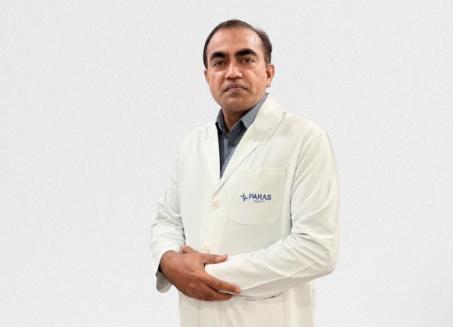
 Reg No-PMC-61307
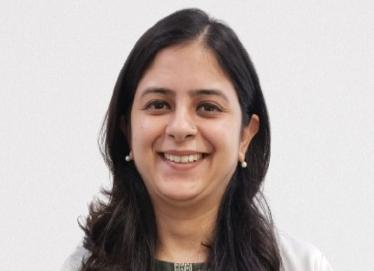 Reg No-HN-23324
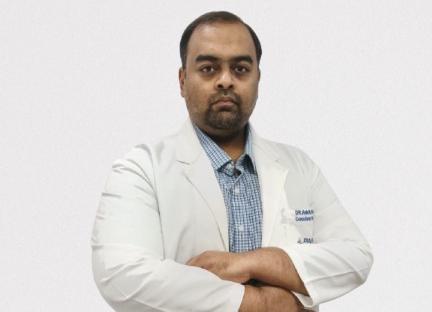 Reg No-HN- 21998
Can't Find what you are looking for?
All major insurance accepted


What is Deep Brain Stimulation (DBS) Surgery?
Deep Brain Stimulation (DBS) surgery is a minimally invasive neurosurgical procedure in which thin electrodes are implanted into specific areas of the brain. These electrodes are connected to a small battery-powered device, called a neurostimulator, placed under the skin near the chest. The device delivers controlled electrical impulses that regulate abnormal brain signals responsible for movement disorders.
Conditions Treated with Deep Brain Stimulation (DBS) Surgery
At Paras Health, DBS surgery is used to treat:
- Parkinson's disease
- Essential tremor
- Dystonia
- Medication-resistant tremors
- Select cases of epilepsy
- Obsessive-compulsive disorder (OCD) in carefully selected patients
Each patient undergoes a detailed neurological evaluation to determine whether DBS surgery is the most appropriate treatment option based on symptoms, disease progression, and overall health.
Symptoms That May Require Deep Brain Stimulation (DBS) Surgery
You may benefit from DBS surgery if you experience:
- Tremors that interfere with daily activities
- Uncontrolled shaking despite medication
- Muscle stiffness and rigidity
- Slowed movement (bradykinesia)
- Involuntary muscle contractions or abnormal postures
- Medication-related movement fluctuations or dyskinesia
- Reduced quality of life due to persistent neurological symptoms
Early evaluation by a neurologist and neurosurgeon can help determine the right time for DBS surgery and improve long-term outcomes.
Types of Deep Brain Stimulation (DBS) Procedures We Provide
At Paras Health, our DBS procedures include:
1. Unilateral Deep Brain Stimulation (DBS) - Electrodes are implanted on one side of the brain to treat symptoms affecting one side of the body.
2. Bilateral Deep Brain Stimulation (DBS) - Electrodes are implanted on both sides of the brain to manage symptoms affecting both sides of the body. This is the most commonly performed DBS procedure.
3. Awake Deep Brain Stimulation (DBS) - The patient remains awake during electrode placement, allowing the surgical team to assess symptom improvement and optimize electrode positioning in real time.
4. Asleep Deep Brain Stimulation (DBS) - The procedure is performed under general anaesthesia using advanced imaging and navigation systems for precise electrode placement without requiring the patient to be awake.
5. Primary DBS Implantation - Initial implantation of brain electrodes, extension wires, and the implantable pulse generator (IPG).
6. DBS Revision Surgery - Revision or replacement of DBS components if there is lead migration, hardware malfunction, infection, or a need for repositioning.
Benefits of Deep Brain Stimulation (DBS) Surgery
Modern DBS surgery has several advantages:
- Significant reduction in tremors and involuntary movements
- Improved control of movement disorders
- Better quality of life and independence
- Reduced dependence on medications in selected patients
- Adjustable and reversible therapy
- Long-term symptom management with personalised programming
- Comprehensive neurological care and follow-up
Book an Appointment for Deep Brain Stimulation (DBS) Surgery
If you are experiencing uncontrolled tremors, stiffness, involuntary movements, or worsening Parkinson's disease symptoms despite medications, don't delay seeking expert care. Early assessment and timely Deep Brain Stimulation (DBS) surgery can significantly improve symptom control and daily functioning.
At Paras Health, our experienced neurologists, neurosurgeons, and rehabilitation specialists guide you through every stage of care - from diagnosis and pre-surgical evaluation to precision-guided DBS surgery, device programming, rehabilitation, and long-term follow-up. With personalised treatment and ongoing support, we help improve movement, reduce symptoms, and enhance your quality of life.

At Paras Health, patients are at the heart of everything we do. We prioritize your comfort, safety, and satisfaction, fostering a supportive and empathetic environment

Paras Health offers a holistic healthcare approach, covering a wide spectrum of medical specialties and services under one roof.

Our team comprises renowned medical professionals who are leaders in their respective fields. With a wealth of experience, advanced training

We invest in state-of-the-art medical equipment and technology to enhance diagnostic accuracy, treatment efficacy, and patient outcomes.

Beyond treating illness, we emphasize proactive measures to promote wellness and prevent disease. Through personalized health screenings, lifestyle counseling

Paras Health is deeply rooted in the community, actively engaging in outreach programs, health education initiatives, and partnerships to promote public health
Can't Find what you are looking for?
Common Neuro Sciences Procedures
Common Neuro Sciences Conditions
Neuro Sciences Specialists
Top Specialities at Paras Health, Panchkula