


Health Library
Blogs
- All
- Cardiac Sciences
- Dermatology & Cosmetology
- Dietetics & Nutrition
- Endocrinology
- ENT, Neck & Head Surgery
- Gastro Sciences
- Internal Medicine
- Neuro Sciences
- Obstetrics & Gynaecology
- Onco Care
- Ophthalmology
- Orthopaedics
- Pulmonology
- Renal Sciences
Internal Medicine
| Post Date : Dec 27, 2025
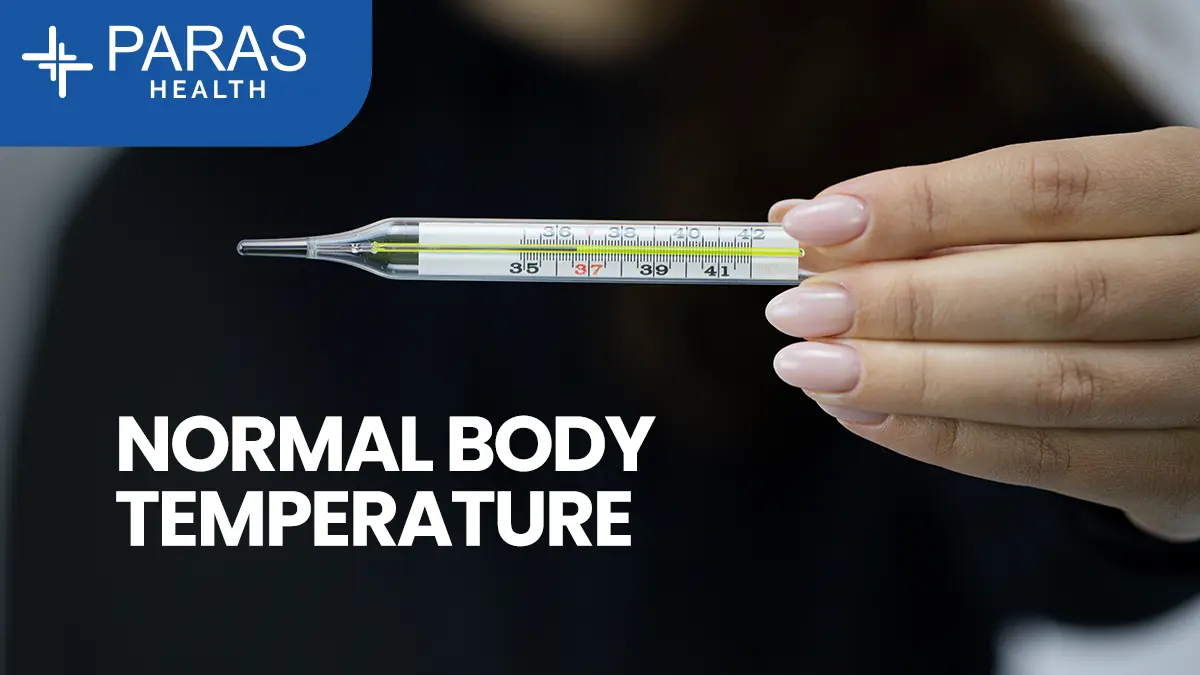
Checking your body temperature at home may seem like a simple task, but doing it the right way is very important. An incorrect reading can either cause unnecessary worry or delay timely medical care.
Continue Reading

Internal Medicine
| Post Date : Sep 25, 2025
When someone sneezes or coughs in a crowded room, tiny particles float in the air. Some of these particles may contain germs that can make others sick. These types of illnesses are called airborne diseases. They spread when infectious agents travel through the air in droplets or dust, and they can affect anyone, anywhere.
Continue Reading

Internal Medicine
| Post Date : Sep 12, 2025
Communicable (infectious) diseases are health conditions caused by bacteria, viruses, fungi, or parasites—spreadable from one person to another, directly or indirectly. These diseases may be mild but can turn life-threatening without proper diagnosis or care.
Continue Reading

Internal Medicine
| Post Date : Sep 11, 2025
Fever is the body’s natural defense mechanism against infections. But when fever comes back again and again, it becomes a matter of concern. Frequent fever, also known as recurrent or persistent fever, may be a sign of an underlying health issue that needs attention.
Continue Reading
Internal Medicine
| Post Date : Sep 11, 2025
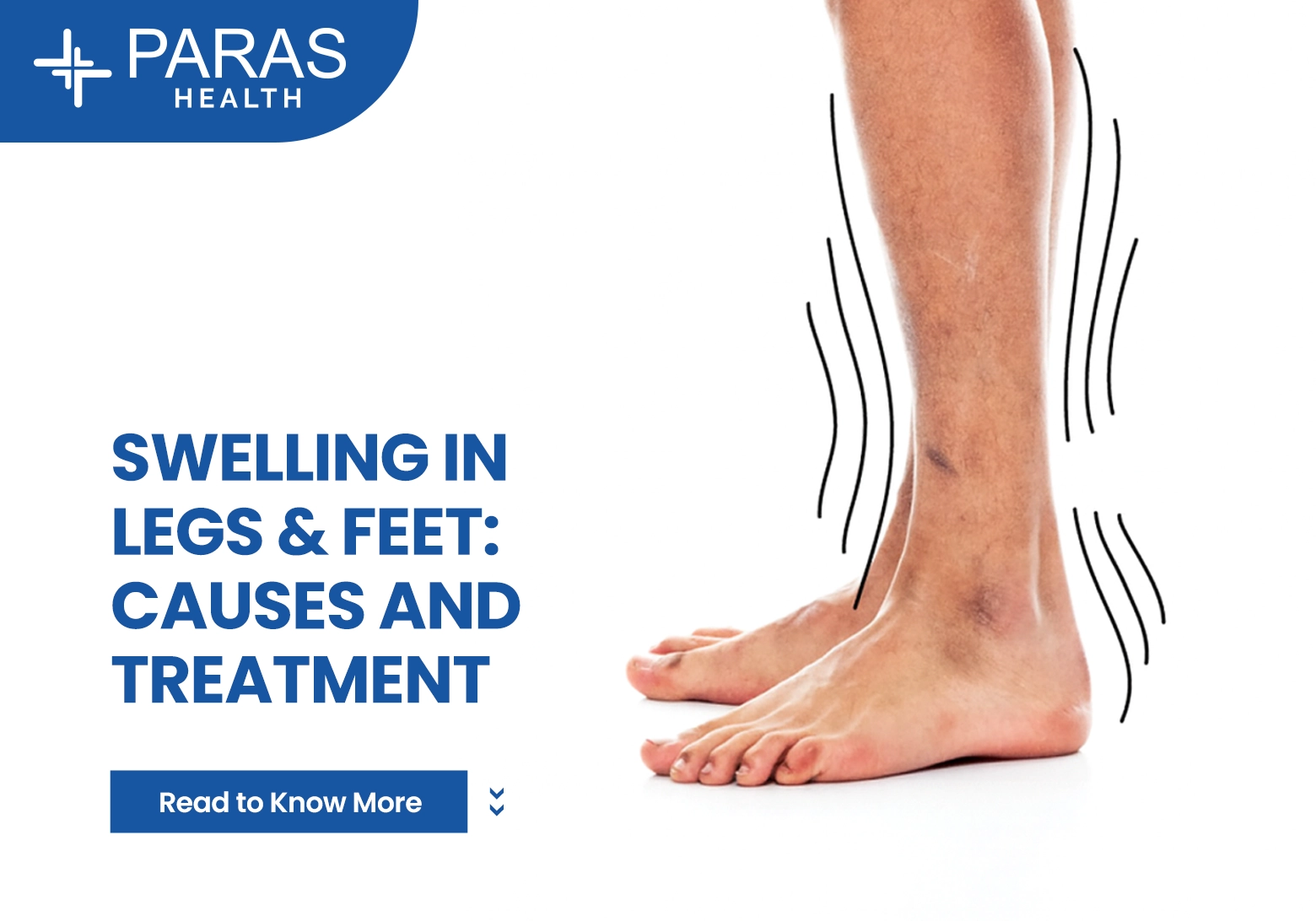
Have you ever noticed your legs or feet swelling after a long day of standing, sitting, or even without any clear reason? While mild swelling may be harmless, persistent or sudden swelling in legs and feet can sometimes point to an underlying health problem.
Continue Reading

Internal Medicine
| Post Date : Aug 05, 2025
A high ESR (Erythrocyte Sedimentation Rate) in women is often a sign of inflammation—not a disease itself. It can be caused by infections, anemia, hormonal changes, autoimmune conditions, or stress. Mild elevation is common and usually not dangerous, but values above 50 mm/hr should be evaluated by a doctor.
Continue Reading